Asian Gaming Markets Expand Through Tailored Content Strategies in Emerging Destinations
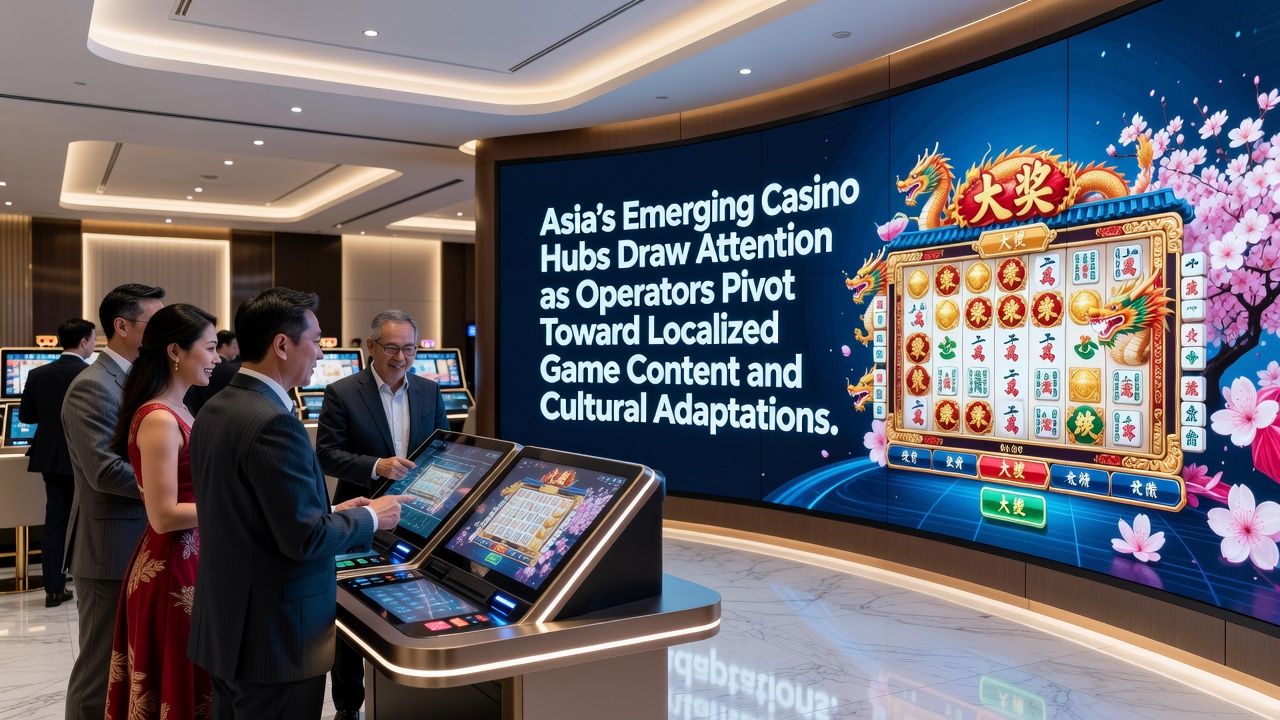
Operators across several Asian markets have increased investments in localized game content and cultural adaptations during 2026, with notable activity reported in July as new facilities opened in the Philippines and Vietnam while existing sites in Cambodia adjusted their offerings. Data from regional regulators shows that integrated resorts in these areas recorded higher footfall after introducing slot themes drawn from local folklore, table games modified with regional symbols, and hospitality services aligned with traditional practices.
Philippine Amusement and Gaming Corporation figures indicate that visitor numbers at licensed properties rose by 18 percent in the first half of 2026 compared with the prior year, coinciding with the rollout of culturally adapted content packages. Similar patterns appear in Vietnam, where authorities approved additional casino licenses tied to requirements for incorporating Vietnamese historical motifs into game interfaces and promotional materials.
Key Markets Driving Regional Shifts
Thailand's regulatory framework, updated in late 2025, permitted limited casino operations within entertainment complexes, and operators responded by commissioning studies on player preferences that led to the inclusion of Thai-themed card games and digital slots featuring local wildlife and festivals. Cambodia's border facilities, long dependent on cross-border traffic, introduced Khmer-language support across all terminals and partnered with cultural consultants to redesign VIP lounges using traditional architectural motifs.
Japan's integrated resort projects, still in planning stages as of July 2026, incorporated advisory panels composed of local historians and designers to ensure compliance with community expectations around gaming presentation. South Korea's existing casino operators expanded non-gaming amenities with elements drawn from K-culture, including pop-up performance spaces and merchandise tied to popular media franchises.
Content Localization Practices Observed
Game developers have collaborated with regional partners to produce content that reflects specific market tastes, such as mahjong-inspired mechanics in East Asian venues and cricket-themed bonus rounds in South Asian proposals. These adaptations extend beyond visual design into payout structures and bonus features calibrated according to player behavior analytics collected from each jurisdiction.
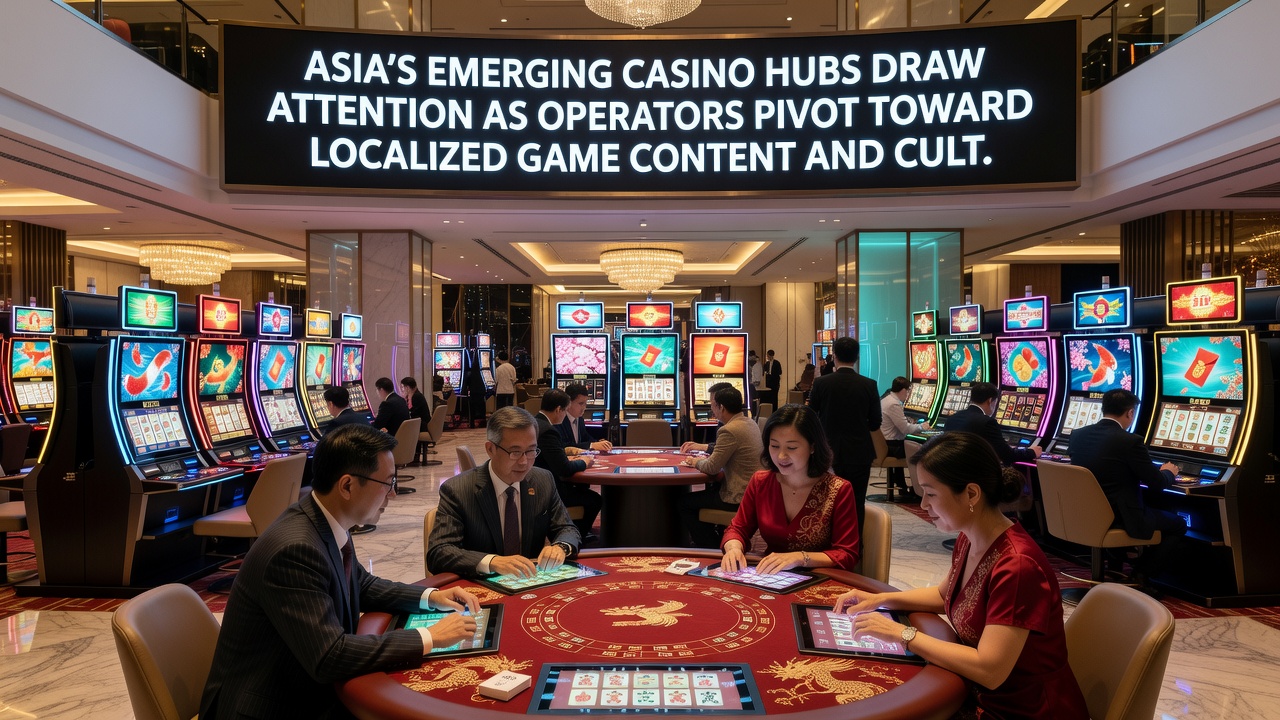
Training programs for staff now include modules on cultural etiquette and language skills, with operators reporting reduced complaint rates after implementation. Marketing campaigns have shifted from generic international imagery to narratives centered on local heritage, resulting in increased social media engagement metrics tracked by industry analysts.
Regulatory Influences on Adaptation
Government agencies in multiple jurisdictions have linked licensing renewals to demonstrations of community integration efforts, prompting operators to allocate budgets for cultural programming and local employment initiatives. A 2026 industry report prepared by the University of Macau's gaming research center documented that properties emphasizing these adaptations achieved faster regulatory approvals and lower operational friction during inspections.
Cross-border partnerships have emerged, allowing operators in one market to license content developed for another, provided cultural consultants verify relevance. This approach has reduced development costs while maintaining distinct regional identities across portfolios.
Technology Supporting Cultural Integration
Digital platforms now feature modular game engines that permit rapid swapping of cultural assets without altering core mechanics, enabling operators to test multiple variants within the same property. Mobile applications tied to physical casinos deliver personalized recommendations based on user-selected cultural preferences, further embedding local context into the overall experience.
Payment systems have incorporated regional digital wallets and festive promotional calendars aligned with national holidays, contributing to documented increases in repeat visitation tracked through loyalty program data.
Conclusion
Asian casino operators continue to refine strategies that connect gaming environments with surrounding cultural landscapes, supported by regulatory frameworks that reward demonstrated localization efforts. July 2026 data points to sustained momentum in this direction across multiple jurisdictions, with technology and partnerships serving as primary enablers of ongoing adaptation.