Asia's Digital Gambling Expansion Reveals New Patterns in Cross-Border Player Behavior
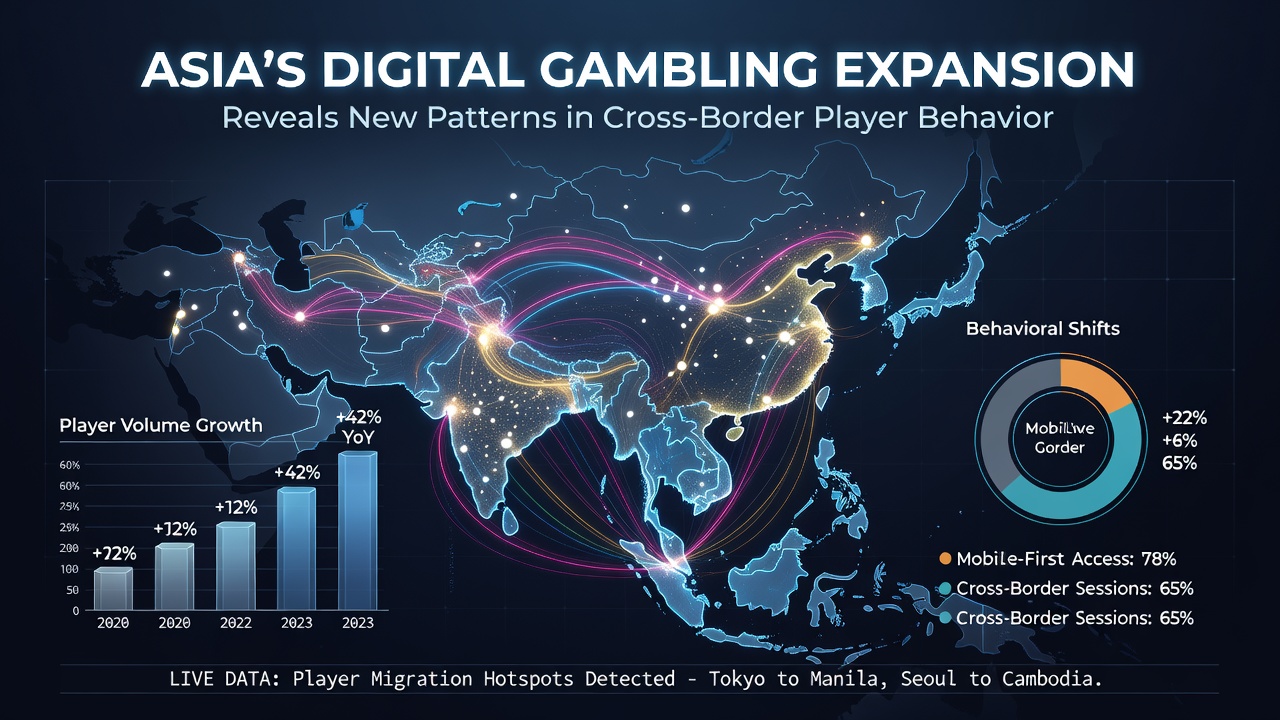
Asia's digital gambling sector continues its rapid growth into June 2026 with new data highlighting shifts in how players move between jurisdictions. Markets in Singapore, Japan, South Korea, and parts of Southeast Asia report rising participation in online platforms that operate across borders while regulatory frameworks evolve at different speeds. Observers note that these changes create distinct patterns in player behavior that differ from earlier periods when activity stayed more localized.
Regulatory Landscape Driving Cross-Border Activity
Countries across the region maintain varied approaches to licensing and taxation which influences where players choose to engage. Singapore's Remote Gambling Act updates implemented earlier this year tightened local requirements yet operators licensed elsewhere still attract users from the city-state. Japan's integrated resort legislation has opened pathways for digital offerings while South Korea's strict stance on foreign platforms pushes some activity toward offshore sites that accept regional currencies. Data from industry reports indicate that players often compare payout structures and game selections across multiple licensed markets before settling on a preferred operator.
Those who've tracked these developments point to June 2026 as a period when several jurisdictions released fresh compliance guidelines. These updates coincide with increased mobile penetration that allows seamless switching between apps based in different countries. Researchers have documented how players maintain accounts in multiple locations to access promotions unavailable in their home market while still complying with local deposit limits.
Player Migration Patterns and Platform Preferences
Analysis of transaction data reveals that cross-border players frequently prioritize platforms offering cryptocurrency options and faster withdrawal times. Studies from academic institutions in the region show that users from high-regulation areas often route activity through neighboring markets with lighter oversight. One study revealed that a notable portion of participants in a multi-country survey maintained active profiles in at least two jurisdictions simultaneously during the first half of 2026.

What's interesting is how language support and localized payment methods factor into these choices. Platforms that integrate regional banking networks and offer customer service in multiple languages see higher retention rates among mobile users who travel frequently. Experts have observed that seasonal spikes occur around major sporting events when cross-border traffic increases as fans seek betting markets not available domestically. These patterns suggest that convenience and variety drive decisions more than single-market loyalty.
Technological Factors Influencing Behavior
Advances in geolocation technology and VPN usage create ongoing challenges for regulators attempting to monitor cross-border flows. Industry organizations report that many operators now deploy sophisticated verification systems to comply with multiple licensing regimes at once. Players adapt by using digital wallets that operate across borders and reduce friction during currency conversion. According to figures from regional gaming associations, average session lengths have increased on platforms that streamline multi-jurisdiction access while maintaining security protocols.
Take one researcher who examined transaction logs from several operators and found that repeat cross-border users tend to cluster activity during evening hours aligned with their home time zones. This behavior persists even when the platform server is located elsewhere. Observers note that such habits reflect broader digital consumption patterns rather than gambling-specific traits alone.
Emerging Data on User Demographics
Surveys conducted by research institutions indicate that younger demographics drive much of the cross-border activity with users aged 25 to 40 showing higher willingness to navigate multiple platforms. Older cohorts tend to remain within single regulated markets where they feel more familiar with the rules. These demographic splits appear consistent across several Asian territories according to aggregated industry data released in early 2026.
Payment method preferences also vary by age and location with digital-first users favoring instant transfer services while others stick to traditional bank links. The ball's in the operators' court to adapt interfaces accordingly as competition intensifies. Evidence suggests that platforms investing in unified dashboards across regions gain measurable advantages in user retention metrics.
Conclusion
Asia's digital gambling expansion continues to reshape how players interact with platforms that span multiple regulatory environments. Patterns observed through June 2026 show consistent movement toward operators that balance compliance with accessibility across borders. As data collection improves researchers expect clearer pictures of long-term behavioral trends to emerge from the current expansion phase.