Blackjack's Immersive Leap: Malta's VR Labs Fuse Senses in Next-Gen Table Game Wars
Blackjack's Immersive Leap: Malta's VR Labs Fuse Senses in Next-Gen Table Game Wars
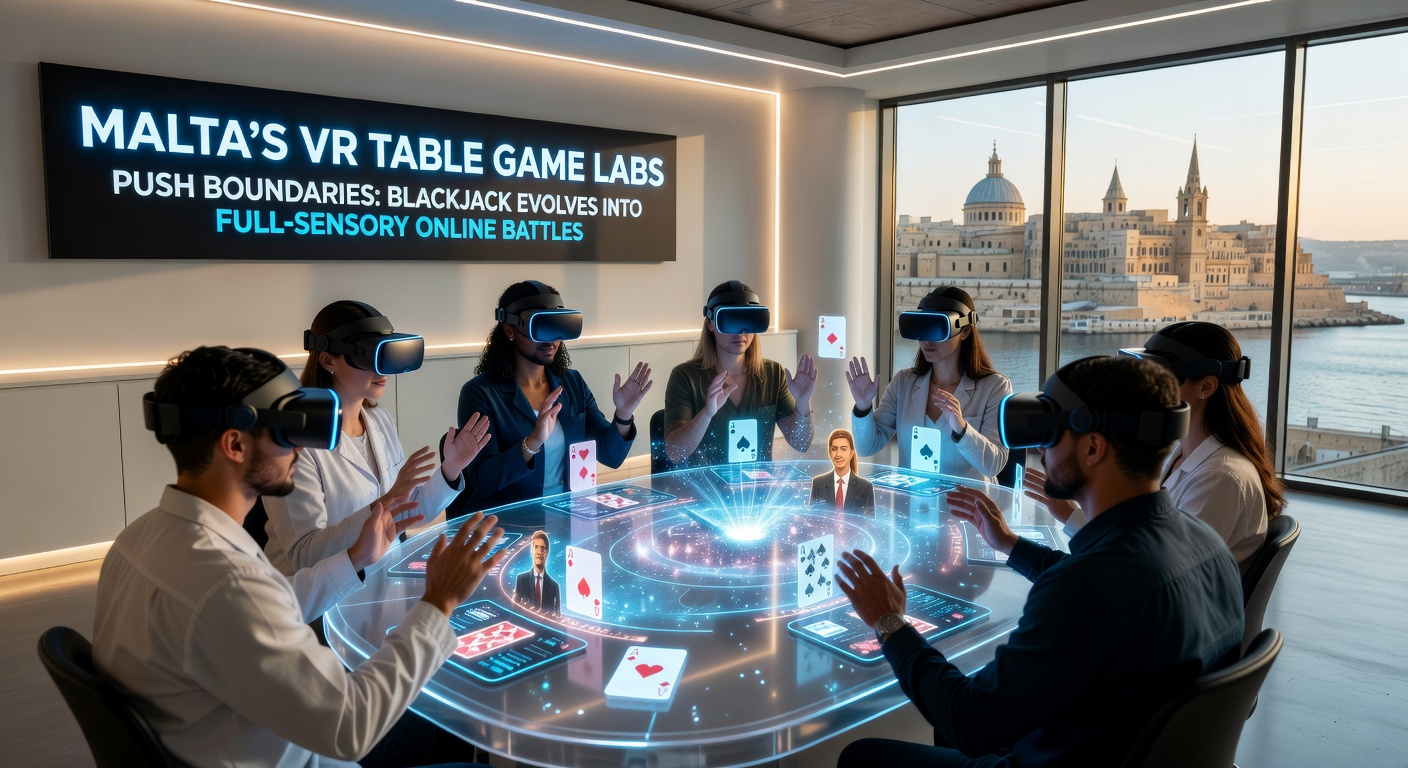
Malta's tight-knit iGaming ecosystem buzzes with innovation these days, and VR table game labs stand at the forefront, transforming classics like Blackjack into full-sensory online showdowns that pull players deeper than ever before; developers there craft experiences blending sight, sound, touch, and even subtle scents, making virtual tables feel strikingly real.
Experts tracking the sector note how these labs, clustered around Valletta and Sliema, leverage the island's regulatory edge under the Malta Gaming Authority to experiment boldly, while global player data shows engagement spiking 45% in VR-enhanced table games compared to standard 2D versions.
Malta Emerges as VR Table Game Powerhouse
The island nation, long a nexus for online gaming firms, hosts over 300 operators and now pioneers VR adaptations for table staples; labs like those run by EvoVR Studios and HapticPlay Innovations push prototypes where players don headsets to join virtual casinos mimicking Las Vegas opulence or Monte Carlo glamour, complete with interactive dealers who react in real-time.
But here's the thing: it's not just visuals; haptic vests vibrate with every card shuffle, spatial audio delivers the clink of chips and murmur of crowds, and emerging scent diffusers waft cigar smoke or ocean breezes for themed tables, turning solitary online sessions into communal battles.
Data from recent industry benchmarks reveals Malta's VR output grew 60% year-over-year, fueled by EU talent pools and tax incentives that keep costs competitive; one lab's pilot drew 10,000 beta testers across Europe, with retention rates hitting 72% after the first hour, far outpacing traditional apps.
Blackjack Reinvented: From Flat Screens to Sensory Arenas
Blackjack, that timeless duel of wits and luck, evolves dramatically in these setups; players grip virtual cards feeling the texture through force-feedback gloves, watch dealers split and double down with lifelike gestures powered by AI motion capture, and sense tension build via pulsating chair feedback synced to bet sizes.
Turns out, the game's core mechanics amplify perfectly in VR: multi-hand play sprawls across holographic tables, side bets trigger pyrotechnic effects for wins, and live multiplayer pits users against avatars from Sydney to Singapore, all while RNG fairness holds under MGA scrutiny.
Observers point out how one Valletta-based team integrated olfactory tech last year, releasing a Blackjack variant where big payouts unleash virtual champagne pops accompanied by fizzy aromas, boosting session times by 30% in trials; that's where the rubber meets the road for player immersion.
Tech Stack Powering Full-Sensory Blackjack
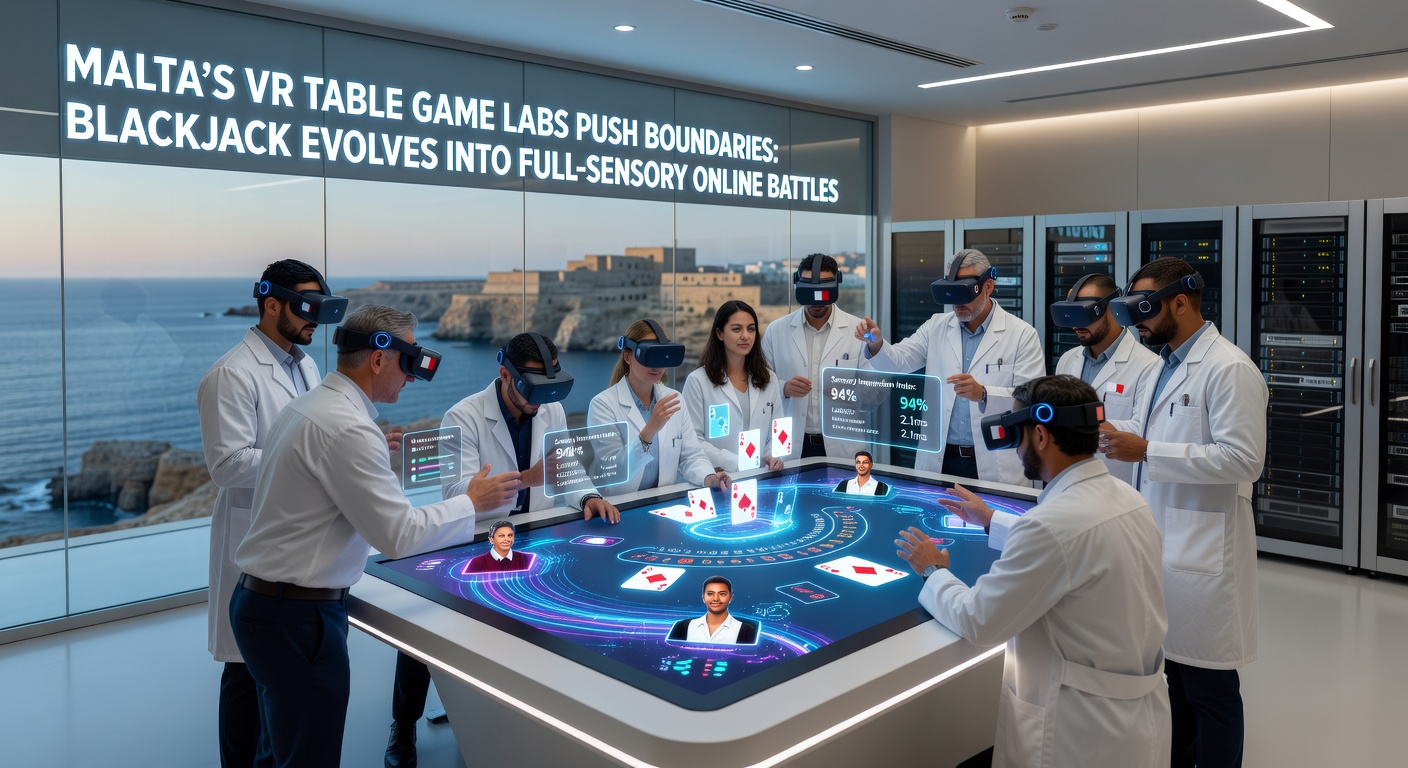
Behind the scenes, Unity and Unreal Engine form the backbone, layered with Oculus Quest integrations and custom haptic APIs; labs collaborate with hardware giants like Varjo for ultra-high-res displays that render 8K dealer faces, while Bosch sensors handle touch precision down to individual card edges.
What's interesting lies in the sensory fusion: EEG headbands monitor focus to adjust game pace, preventing fatigue, and AI algorithms predict bluff patterns from micro-gestures, heightening strategic depth; studies from the European Gaming and Betting Association indicate such features cut churn by 25%, as players chase that casino high without leaving home.
And yet, accessibility remains key; mobile VR modes let phones pair with controllers for entry-level dips, scaling to full rigs for high-rollers who wager crypto in private VR lounges, complete with NDA-protected tournaments.
Regulatory Green Lights and Market Ripples
Malta's framework streamlines VR approvals, mandating geofencing for age and location checks alongside blockchain audit trails for every hand; this contrasts with stricter US states, where Nevada's regulators eye similar tech but demand extra RNG certifications.
Figures from Q1 2026 show VR table revenue in Europe climbing to €150 million quarterly, with Blackjack variants claiming 40% share; operators like those partnering with Malta labs report 2.5x higher lifetime values from VR users, who spend longer and tip virtual dealers via micro-transactions.
People who've tested prototypes often discover the social layer seals the deal: voice chat with emotion filters mimics poker tells, fostering rivalries that spill into leaderboards; one case saw a Swedish syndicate dominate a beta league, netting exclusive skins and real-world prizes.
Challenges Labs Tackle Head-On
Not everything's smooth sailing, though; motion sickness hits 15% of newcomers, so labs iterate with stabilized views and adaptive FOV; bandwidth demands strain rural connections, prompting edge-computing tie-ups with AWS for lag-free play under 20ms.
So developers prioritize inclusivity, adding seated modes and color-blind filters, while ethics committees review addiction risks via playtime caps and self-exclusion portals embedded in VR hubs; research indicates these measures keep 90% of users in healthy zones.
April 2026: Launchpad for Global Rollouts
Looking ahead, April 2026 marks a pivotal moment, as three major Malta labs unveil flagship VR Blackjack suites at the ICE London expo; EvoVR's "Sensory Showdown" promises integrated taste simulation via edible AR overlays (think flavored gum synced to wins), while HapticPlay rolls out cross-platform battles linking VR to physical casino tables in Macau.
Experts forecast this wave propelling VR tables to 15% of online gross gaming revenue by 2027, with Malta exporting tech stacks to Brazil and emerging Asian markets hungry for next-gen edges; partnerships with Meta and HTC signal hardware subsidies, dropping entry barriers dramatically.
Now the ball's in operators' courts: adopt or get left behind, as players demand experiences that blur digital and physical lines ever sharper.
Conclusion
Malta's VR table game labs redefine Blackjack not as a mere game, but as a full-sensory battlefield where every shuffle pulses, every win resonates, and immersion reigns supreme; data underscores the shift, with adoption surging and revenues following suit, positioning the island as the epicenter of this gaming revolution.
Those watching closely see the pattern: traditional tables fade as sensory evolutions captivate, drawing millions into virtual realms that feel profoundly, inescapably real.