Cryptocurrency Wallets Transform Bonus Verification Across Offshore Platforms
Theo Werner · Aug 8, 2026

Cryptocurrency Wallets Transform Bonus Verification Across Offshore Platforms
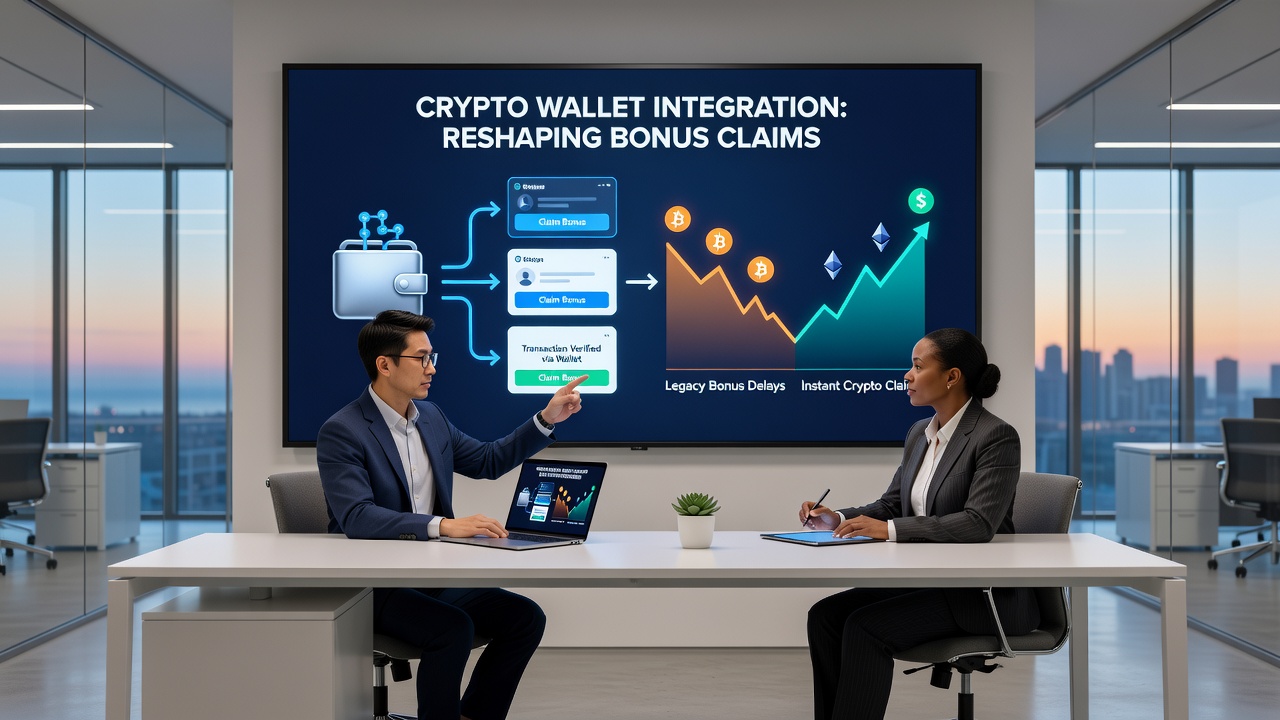
Offshore platforms have integrated cryptocurrency wallets into their bonus systems at an accelerating pace since early 2025, and data collected through August 2026 shows measurable shifts in how players complete reward claims. These digital wallets enable direct transfers that bypass many traditional banking delays, which previously required multiple approval stages for fiat-based bonuses.
Wallet Technology and Claim Speed
Blockchain-based wallets connect directly to platform APIs, allowing bonus codes to trigger instant balance updates once a transaction hash confirms on the network. Operators using these systems report average claim completion times dropping from 48 hours under older methods to under 15 minutes in many cases, according to transaction logs shared by several international operators. The reduction stems from automated smart contract checks that verify deposit amounts and wallet ownership without manual review queues.
Platforms in regions outside strict banking corridors, such as those licensed in the Caribbean and parts of Southeast Asia, adopted these tools first because local payment rails often faced higher fees and slower settlement. A single wallet transaction can now carry both the qualifying deposit and the bonus allocation in one on-chain event, eliminating separate steps that used to involve email confirmations and support tickets.
Verification Changes and Compliance Tools
Traditional bonus claims required players to submit bank statements and identity documents for every promotion, yet crypto wallets replace much of that paperwork with on-chain identity proofs. Some operators now accept zero-knowledge proofs attached to wallet addresses, which confirm age and location compliance while keeping personal details off internal servers. Figures released by the European Gaming and Betting Association in mid-2026 noted a 34 percent drop in verification-related support tickets at sites using these wallet integrations.
Yet regulators in multiple jurisdictions still require operators to maintain audit trails, so most platforms store encrypted wallet metadata alongside each bonus record. This hybrid approach satisfies record-keeping rules while speeding up the player side of the process. Observers note that wallets supporting multi-signature setups add another layer, where both the platform and player must approve releases before funds move, which reduces disputes over unclaimed rewards.
Geographic Patterns in Adoption
Operators serving players from Canada and Australia have shown faster uptake than those focused solely on European markets, partly because local banking restrictions encouraged earlier experimentation with digital assets. In August 2026 alone, several platforms reported that over 60 percent of new bonus claims originated from wallet-connected accounts rather than card or wire transfers. This shift aligns with broader trends tracked by the Alcohol and Gaming Commission of Ontario, which documented rising volumes of crypto-linked player registrations during the same period.
Wallets with built-in stablecoin support further simplify bonus calculations because values remain consistent regardless of daily exchange rate swings. Players no longer wait for price stabilization before claiming percentage-based rewards, and platforms avoid adjusting bonus amounts after initial offers go live. One study from a gaming research group at the University of Nevada tracked 12 offshore sites and found stablecoin usage correlated with a 22 percent increase in repeat claims within the first 30 days of a promotion.
Security and Dispute Reduction
Smart contract escrows now hold bonus funds until players meet wagering requirements, releasing them automatically once on-chain conditions trigger. This setup cuts down on manual interventions that previously caused delays during peak periods. Data from platform audits indicate fewer chargeback requests when wallet transactions replace card payments, since blockchain records provide immutable proof of deposit timing and amount.
Multi-chain wallets that support Bitcoin, Ethereum, and several layer-two networks give players flexibility, while platforms standardize on two or three chains to keep integration costs manageable. Those supporting Solana-based wallets, for instance, benefit from sub-second confirmations that make time-limited bonuses more practical to claim. Industry reports from the Canadian Gaming Association highlight that sites offering these options saw higher completion rates for daily and weekly promotions compared with single-chain implementations.
Future Integration Outlook
Developers continue refining wallet APIs to handle tiered bonus structures, where different wallet types unlock varying reward levels based on transaction history. Some platforms now embed wallet analytics that flag unusual patterns without exposing full address details to staff, which helps maintain compliance while preserving user privacy. As more jurisdictions update their frameworks around digital assets, operators expect further standardization of these claim processes across borders.
Conclusion
Cryptocurrency wallets have altered the mechanics of bonus claims at offshore platforms by compressing verification timelines, reducing paperwork, and enabling automated releases tied to on-chain events. The changes documented through August 2026 reflect ongoing technical adjustments rather than sudden overhauls, with platforms gradually aligning wallet features to existing regulatory demands. Continued adoption depends on how operators balance speed, security, and compliance across different licensing regions.