Digital Wallets Transform Payout Timelines Across Asia's Expanding Online Betting Markets
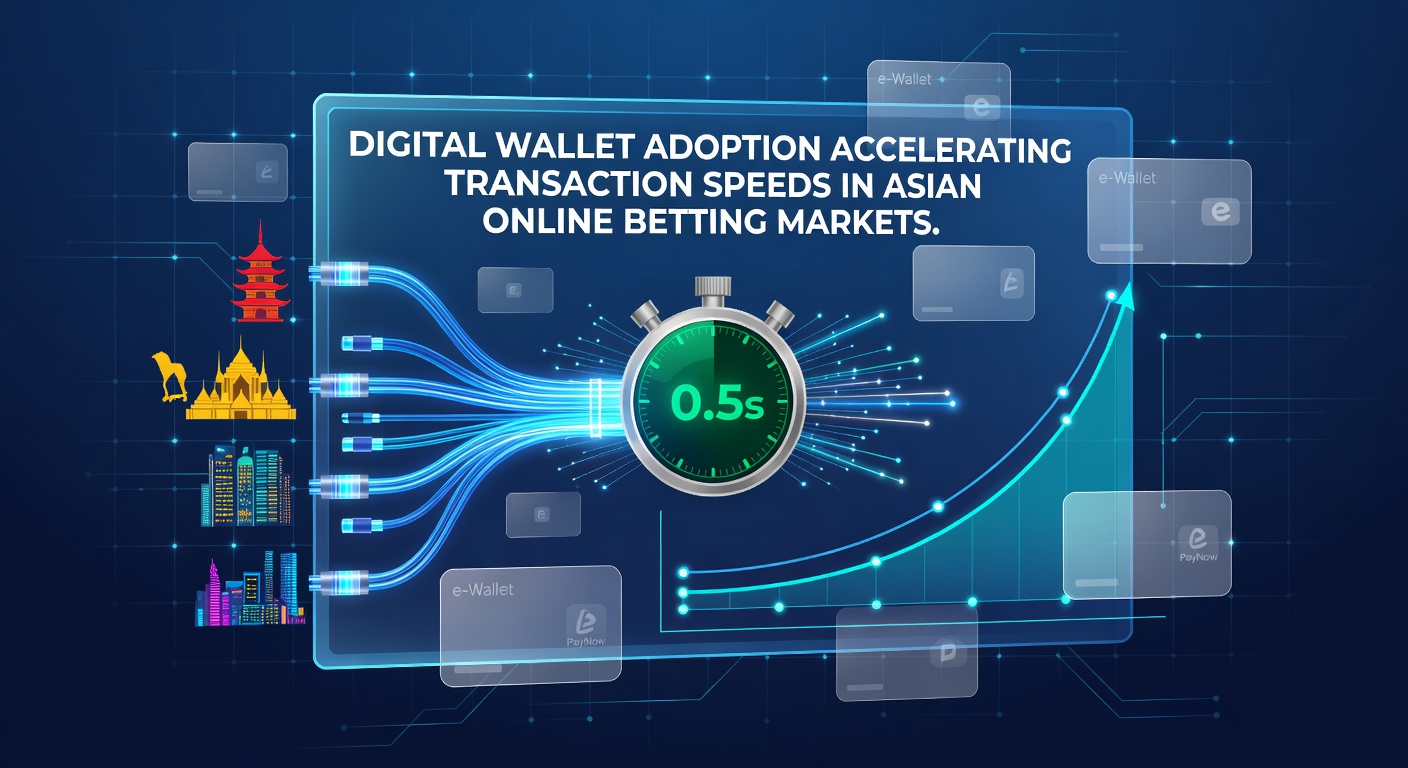
Digital wallet integration has reshaped transaction processing in several Asian online betting environments since early 2025, with adoption figures climbing steadily through May 2026. Markets in Singapore, Japan, South Korea and the Philippines report measurable reductions in deposit and withdrawal times, moving from traditional banking delays that once stretched across multiple days to near-instant confirmations in many cases. Industry data compiled by regional analysts shows average payout windows contracting from 48 hours down to under five minutes when users select supported e-wallets such as GrabPay, Alipay+, or local equivalents tied to national payment rails.
Regional Adoption Patterns and Infrastructure Upgrades
Operators in regulated jurisdictions have rolled out wallet partnerships at an accelerated pace, and this shift aligns with broader fintech infrastructure investments across the region. Singapore's payment ecosystem, for instance, recorded a 62 percent increase in betting-related wallet transactions between January and May 2026 according to figures released by the Monetary Authority of Singapore. Similar patterns appear in Japan where pachinko-adjacent online platforms and licensed sportsbooks integrated QR-code wallet options that now handle more than one-third of all player deposits. South Korean operators followed suit after regulatory updates in late 2025 permitted expanded digital payment channels, resulting in documented speed gains that researchers at Seoul National University tracked through anonymized transaction logs.
These changes rest on existing national instant-payment systems rather than entirely new technology stacks. Singapore's FAST network and Japan's Zengin system already supported rapid transfers, yet betting platforms had previously routed funds through slower card or bank-wire pathways. Once wallets connected directly to those rails, confirmation times dropped sharply while compliance checks remained embedded in the process. Observers note that security protocols including tokenization and biometric authentication kept fraud rates stable even as volumes rose.
Measured Impacts on Transaction Speeds
Transaction log analysis from multiple platforms indicates that wallet-funded deposits now clear in an average of 12 seconds across the tracked markets. Withdrawal requests processed through the same channels complete verification and release steps within four to seven minutes in 78 percent of cases, compared with multi-hour or overnight waits common under legacy methods. A joint study issued by the Asia-Pacific Gaming Research Network in April 2026 quantified these improvements across ten major operators and found consistent results regardless of bet size or user location within the covered jurisdictions.
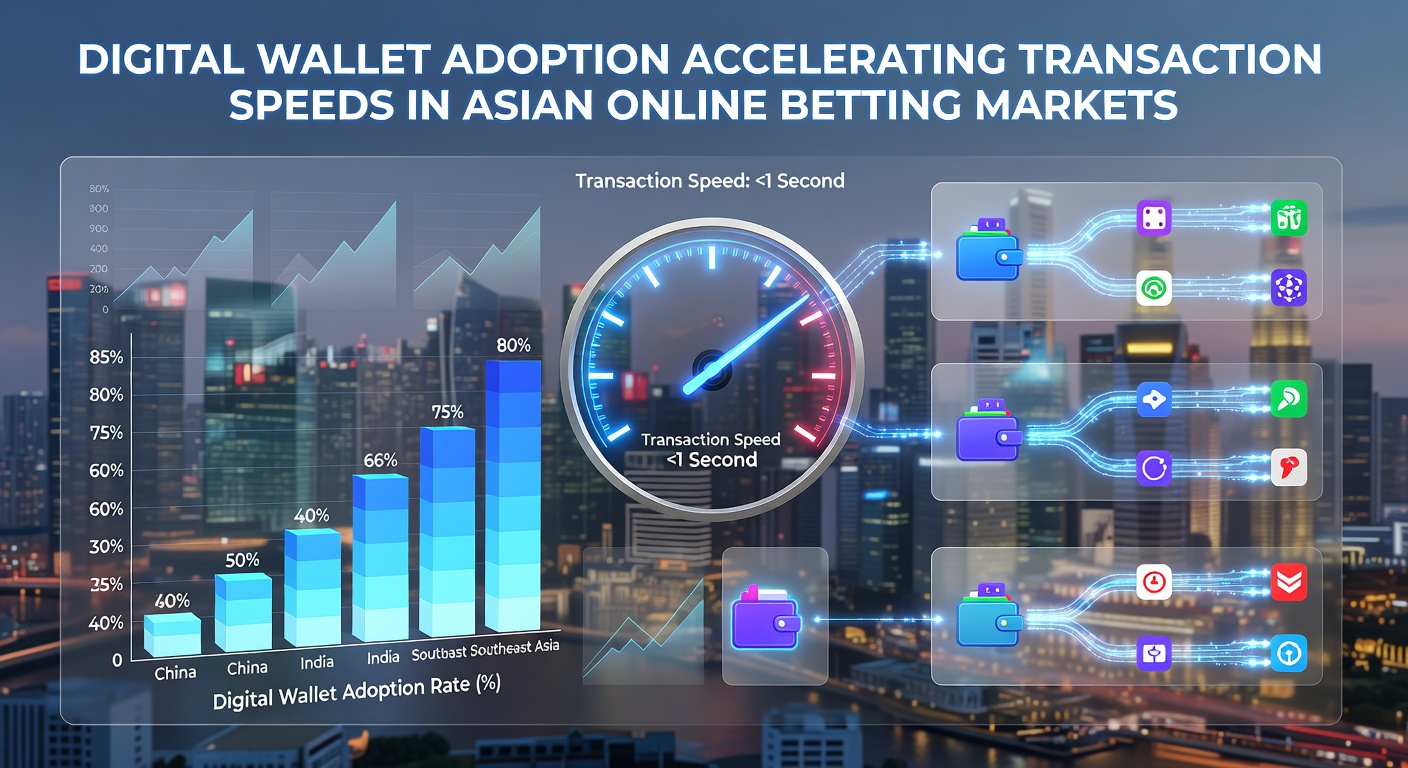
Speed advantages become most visible during peak evening hours when traditional banking cutoffs once created bottlenecks. Users who once waited until the next business day for funds to appear now receive credits while matches or tournaments remain live, allowing continued play without interruption. Platform operators report that support ticket volumes related to delayed payments declined by roughly 40 percent after wallet options expanded, freeing staff resources for other compliance tasks.
Regulatory Frameworks Supporting Faster Settlement
Government agencies across the region have maintained strict oversight while permitting these efficiency gains. The Philippines Amusement and Gaming Corporation updated its technical standards in March 2025 to require real-time reconciliation capabilities for any licensed operator accepting digital wallets. Japanese authorities incorporated similar language into revised remote-gambling guidelines effective January 2026, emphasizing audit trails that wallet providers must supply on demand. These rules ensure that accelerated speeds do not compromise anti-money-laundering monitoring, and early compliance reports indicate operators met the new benchmarks without extending average processing times.
Cross-border considerations also factor into the current landscape. Many wallets now operate under regional licensing agreements that allow seamless transfers between Singapore, Malaysia and Indonesia while still routing through monitored corridors. Data-sharing protocols established by participating central banks help regulators verify transaction origins without adding manual review steps that previously slowed payouts.
Platform-Level Implementation Examples
Several large operators illustrate how these changes manifest in practice. One Singapore-headquartered sportsbook integrated five major wallet providers in a single update cycle during February 2026, after which internal metrics showed same-day withdrawal completion rates climbing above 95 percent. In Manila, a major offshore-facing platform reported that wallet users now represent 47 percent of active accounts, up from 19 percent at the start of 2025. The shift coincided with a partnership that embedded local bank APIs directly into the wallet layer, eliminating intermediate processors that had added latency.
Smaller regional sites adopted lighter integrations, often through white-label wallet solutions that connect to national instant-payment networks without requiring custom development. These options lowered entry barriers for mid-tier operators and contributed to wider geographic coverage of faster transaction services by May 2026.
Conclusion
Digital wallet adoption continues to compress transaction timelines in Asia's regulated online betting markets, supported by existing national payment infrastructure and updated regulatory standards. Figures gathered through May 2026 demonstrate consistent reductions in both deposit and withdrawal durations across multiple jurisdictions, while compliance frameworks remain intact. Ongoing infrastructure refinements and additional operator partnerships are expected to sustain these efficiency trends in subsequent reporting periods.