Esports Betting Integrates Slot Mechanics in Latin American Expansion Targeting Youth Markets
Harper Brooks · Aug 6, 2026
Esports Betting Integrates Slot Mechanics in Latin American Expansion Targeting Youth Markets
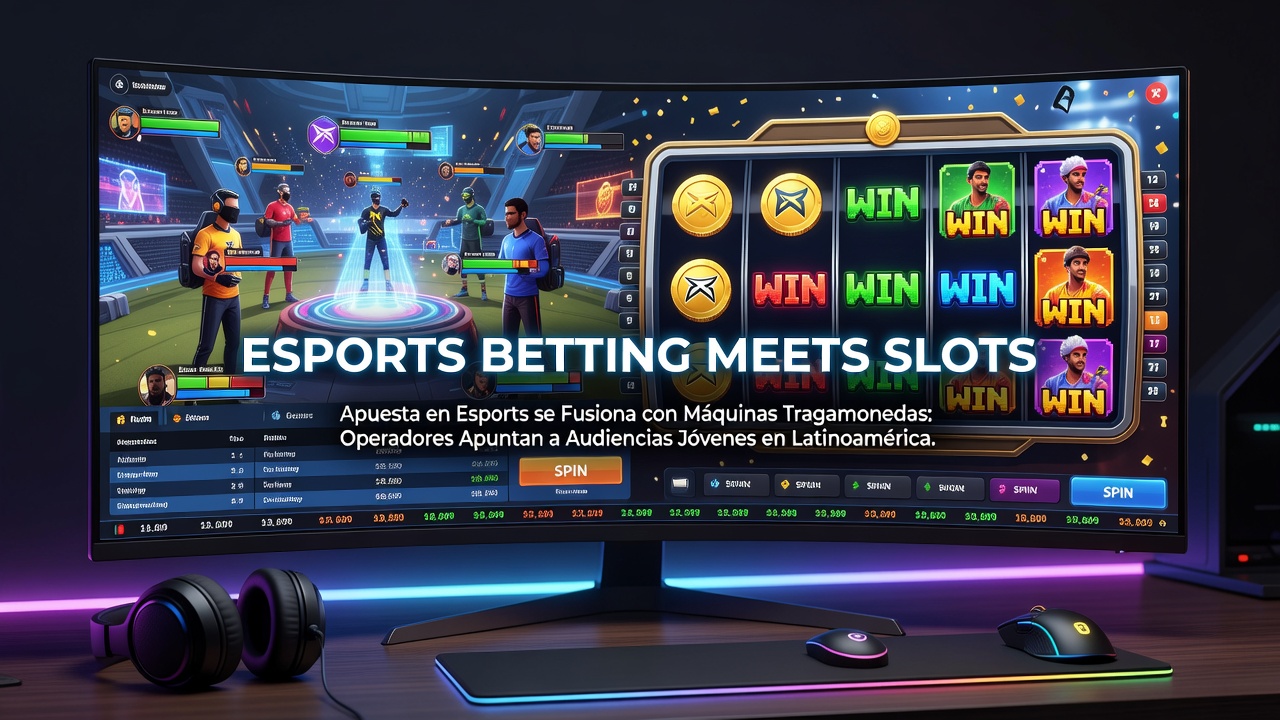
Operators across Latin America have begun merging esports betting structures with traditional slot mechanics, creating hybrid products that appeal to younger demographics in countries such as Brazil, Mexico, and Argentina. These platforms combine competitive esports wagering on titles like League of Legends and Counter-Strike with reel-based bonus rounds, multiplier features, and progressive jackpots drawn from classic slot design. Data from regional market trackers indicates that mobile-first hybrids accounted for a growing share of new user registrations during the first half of 2026, driven by localized payment options and esports leagues gaining broadcast deals on regional streaming services.
Market Drivers in Key Latin American Countries
Brazil's regulated betting environment, which expanded significantly after federal licensing rules took effect, has seen several operators introduce esports slot hybrids that feature live tournament overlays alongside spinning reels tied to match outcomes. Mexico's state-level frameworks have similarly allowed crossovers where users place esports bets that trigger slot-style free spins when specific in-game events occur, such as a champion kill streak or map victory. Observers note that these mechanics reduce the learning curve for players familiar with mobile slots while introducing them to esports data streams and real-time odds adjustments.
Argentina's provincial regulations have permitted similar integrations, with operators reporting increased session times when slot elements activate during live esports matches. Figures from industry reports show that users aged 18 to 34 represent the largest segment engaging with these products, often accessing them through apps that support local currencies and instant withdrawal methods popular in the region.
Technical and Regulatory Landscape
Developers have adapted random number generators from traditional slots to resolve certain esports side bets, such as predicting the number of rounds in a best-of series or the timing of objective captures. This approach maintains compliance with fairness standards while delivering the visual feedback and sound design associated with slot machines. In August 2026 several platforms rolled out updates that synchronized reel animations with live esports feeds, allowing players to watch matches and trigger bonus rounds in a single interface.
Regulatory bodies in the region have focused on age verification and responsible gaming tools tailored to these hybrids. Licensing requirements in Brazil and Colombia emphasize separate limits for esports and slot components, ensuring operators track player behavior across both mechanics. Industry associations have published guidelines recommending clear disclosures when slot features influence esports payout structures, a measure intended to maintain transparency as adoption widens.
Player Engagement Patterns and Platform Examples
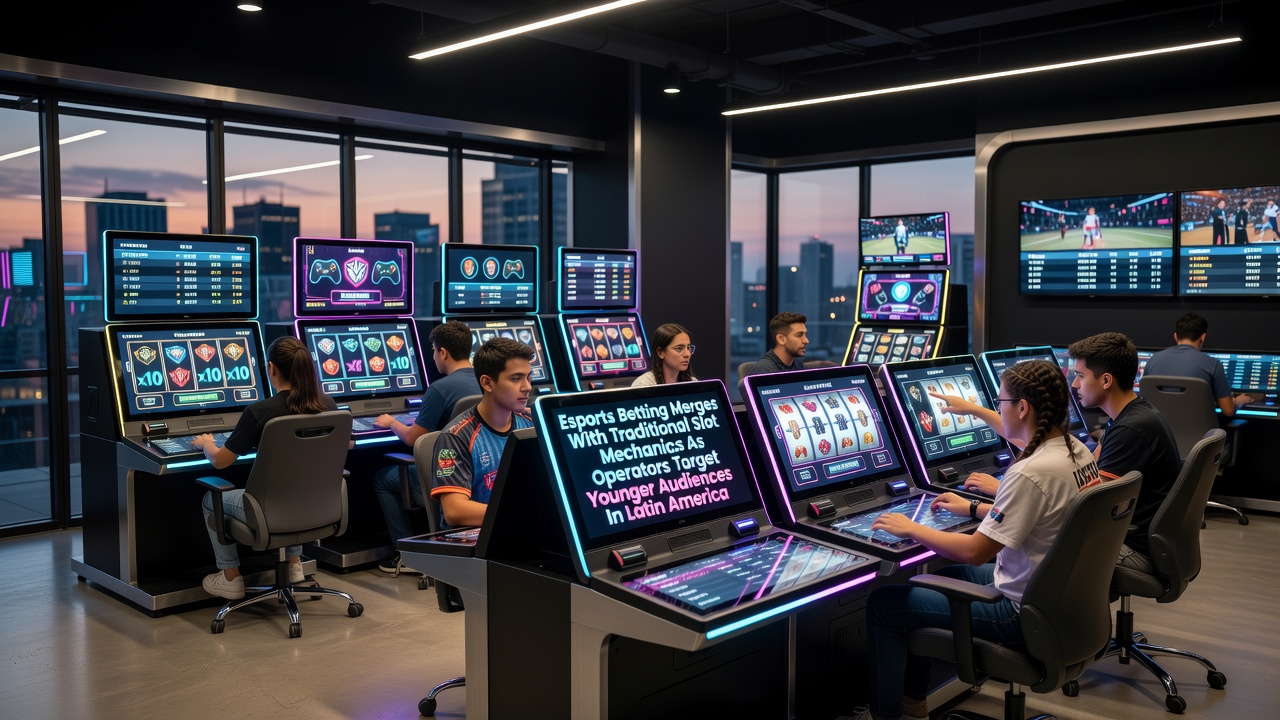
Take one operator that launched a hybrid title in Brazil earlier in 2026, where users bet on esports matches and unlock slot rounds based on cumulative team performance statistics. Engagement data revealed that players who started with esports bets frequently continued into slot features, extending average play duration. Similar patterns emerged in Mexico, where tournament brackets incorporate slot multipliers that scale with viewer participation metrics pulled from streaming platforms.
Those who have studied regional adoption trends point out that social features, including friend challenges and shared jackpot pools, further bridge esports communities with slot enthusiasts. Platforms often host weekly esports events that feed directly into slot tournaments, creating recurring cycles of participation. Payment providers in Latin America have adapted by offering esports-specific bonuses that convert into slot credits, streamlining the transition between the two formats.
Future Outlook and Industry Collaboration
Collaborations between esports organizers and slot developers have produced content partnerships where popular game characters appear as slot symbols during live events. These integrations rely on licensed intellectual property agreements that ensure visual consistency across betting and gaming elements. Research from academic institutions in the region continues to examine how such hybrids affect player decision-making, particularly regarding time spent on combined versus standalone products.
Industry organizations have begun hosting workshops on technical standards for hybrid platforms, focusing on data security and cross-border licensing that supports operations in multiple Latin American jurisdictions. As more operators enter these markets, the emphasis remains on scalable infrastructure that handles both real-time esports odds and the computational demands of slot animations.
Conclusion
The convergence of esports betting and slot mechanics in Latin American markets reflects broader shifts toward integrated digital entertainment offerings. Operators continue to refine these hybrids through localized content, regulatory alignment, and technical enhancements that cater to younger user bases. Ongoing developments in platform capabilities and regional frameworks will shape how these products evolve, with current trends pointing to sustained interest in combined wagering experiences.