Esports Partnerships Reshape Casino Strategies in Asia's Emerging Markets
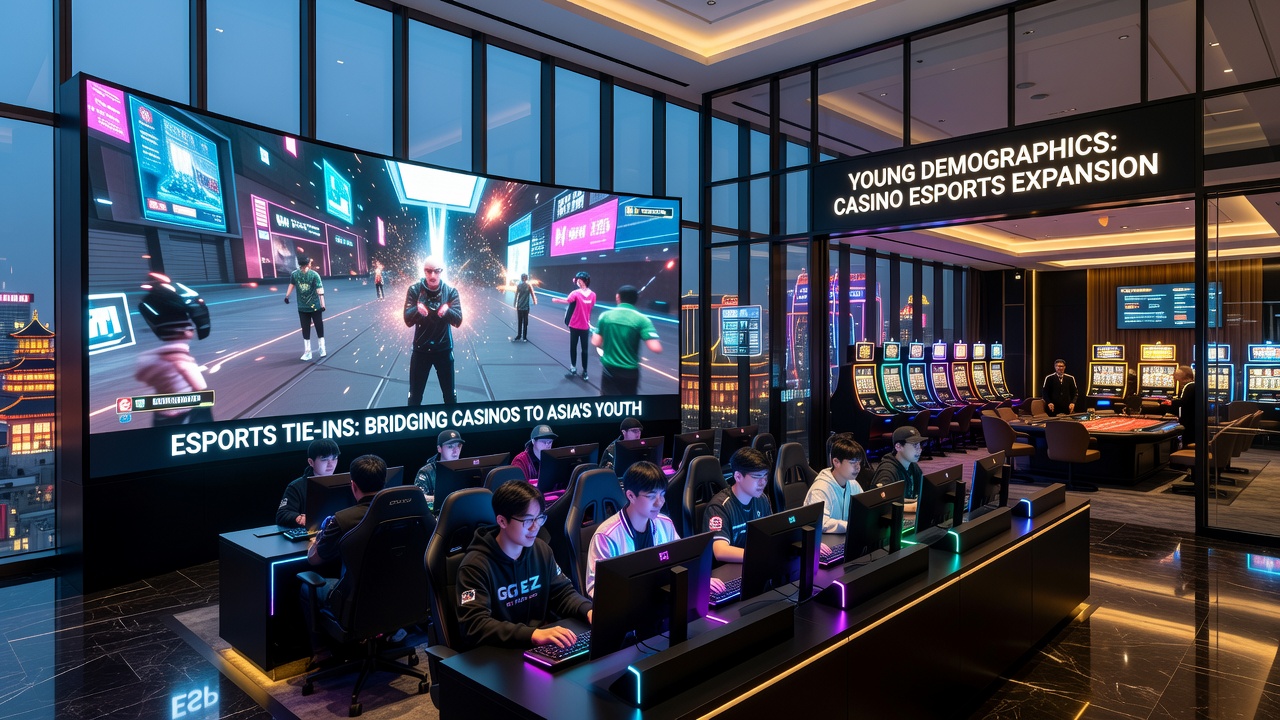
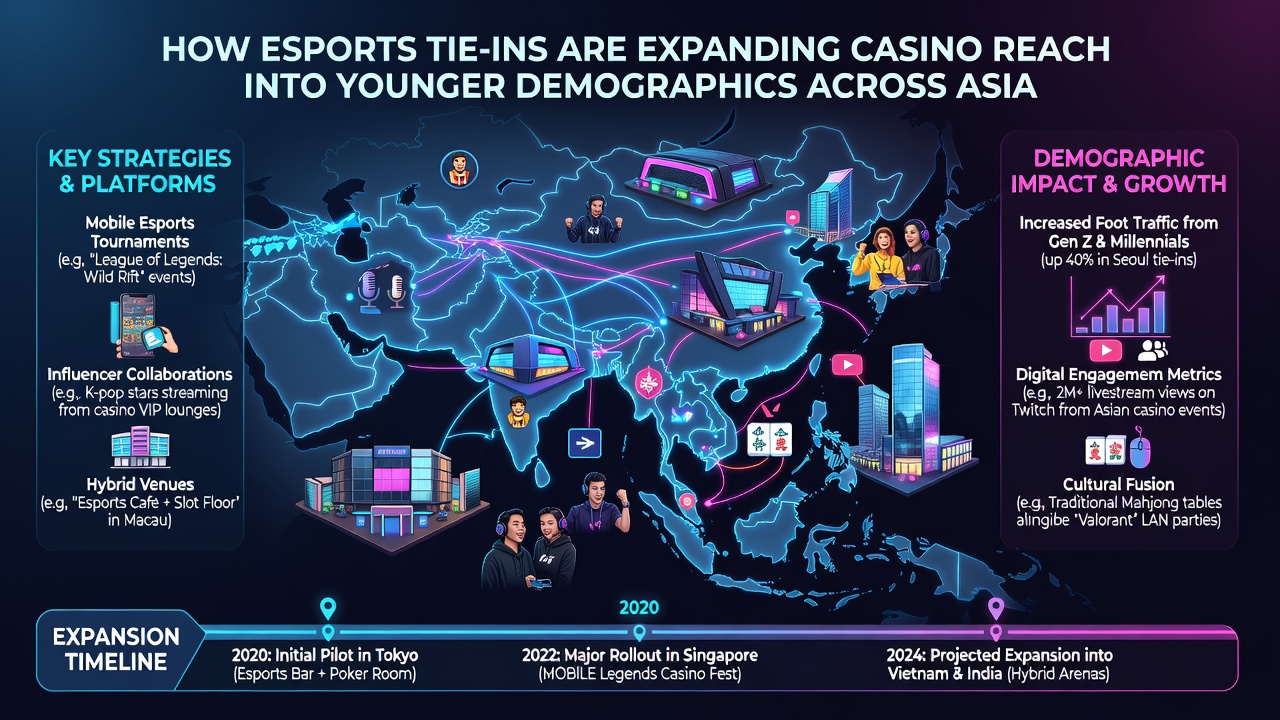
Esports events have grown rapidly across Asia, and casinos in several countries now use partnerships with tournaments, teams, and streaming platforms to connect with audiences aged 18 to 35. Data from industry reports shows that countries such as South Korea, Singapore, the Philippines, and Macau have seen increased crossover between competitive gaming scenes and traditional gambling venues since 2024.
Expansion of Esports Across Key Asian Markets
Competitive gaming leagues in South Korea and China draw millions of viewers each month, while Singapore and the Philippines host regional finals that attract international participants. Casino operators have responded by sponsoring matches and creating dedicated viewing areas inside properties. These spaces often include betting terminals alongside live streams, allowing patrons to follow competitions while engaging with other games. A 2025 study by researchers at the National University of Singapore found that venues offering esports viewing recorded higher foot traffic from younger visitors compared with properties that did not host similar events.
Partnership Models Between Casinos and Gaming Organizations
Operators have adopted several approaches to build these connections. Some casinos sign sponsorship deals with professional esports organizations, while others host amateur tournaments on-site or stream matches through their own channels. In Macau, multiple integrated resorts announced collaborations in early 2026 with regional leagues to run seasonal competitions that award prize pools and branded merchandise. Similar arrangements appeared in Manila and Cebu, where casino floors were reconfigured to include large screens and seating areas for spectators. These changes coincided with updated licensing rules in several jurisdictions that clarified how operators could promote events involving skill-based competitions.
Demographic Shifts Observed in Visitor Data
Industry statistics compiled through August 2026 indicate that the proportion of casino visitors under 35 rose in markets where esports tie-ins were active. Figures released by the Philippine Amusement and Gaming Corporation show that properties with dedicated esports zones reported a measurable increase in first-time guests within that age range during the first half of the year. Observers note that these visitors often arrive in groups, stay longer, and combine attendance at tournaments with other entertainment options such as dining and live music. The pattern appears consistent across multiple sites, although exact conversion rates to regular gambling activity vary by location and regulatory environment.
Regulatory Developments and Their Influence
Governments across the region have introduced or revised rules that affect how casinos can market to younger adults. In August 2026, authorities in Singapore and Macau issued guidance clarifying the boundaries between skill-based esports promotions and traditional gambling offerings. These updates require clear separation between tournament areas and gaming floors while allowing operators to advertise events through digital platforms popular with younger users. Compliance has led some venues to invest in age-verification systems at entry points to esports zones. Data from the Casino Regulatory Authority of Singapore indicates that licensed operators who followed the new guidelines maintained steady visitor growth without triggering additional enforcement actions.
Examples of Successful Integrations
One operator in the Philippines partnered with a national esports federation to run monthly qualifiers inside its resort. Participants competed for cash prizes and tournament slots while the venue provided streaming facilities and branded merchandise. Attendance records showed consistent turnout from university students and young professionals. In South Korea, a casino near Seoul collaborated with a popular streaming platform to broadcast live matches from an on-site arena, drawing viewers who later visited the property for other events. These cases illustrate how operators combine physical spaces with digital reach to extend their audience base.
Future Outlook Based on Current Trends
Analysts tracking regional gaming markets expect continued investment in esports infrastructure through 2027. Reports from the Asia Gaming and Entertainment Association project that more properties will add hybrid venues combining viewing lounges, practice areas, and integrated betting options. The trend aligns with broader shifts in consumer behavior, where younger adults show preference for interactive entertainment that blends competition, social interaction, and technology. As regulatory frameworks stabilize in additional jurisdictions, operators are positioned to expand these programs while maintaining compliance with local advertising and age restrictions.
Conclusion
Esports tie-ins have provided casinos across Asia with measurable access to younger demographics through targeted sponsorships, on-site events, and digital streaming partnerships. Data collected through August 2026 demonstrates increased visitor numbers in the 18-35 age group at properties that adopted these strategies. Regulatory updates in key markets have shaped how these collaborations are implemented, and industry reports suggest the approach will remain relevant as consumer preferences continue to evolve.