Groundbreaking Ceremony Marks Dawn of Osaka's Integrated Resort Era: MGM Resorts and Orix Forge Ahead with 3,500 Slots, Luxury Towers, and Entertainment Hub
Groundbreaking Ceremony Marks Dawn of Osaka's Integrated Resort Era: MGM Resorts and Orix Forge Ahead with 3,500 Slots, Luxury Towers, and Entertainment Hub
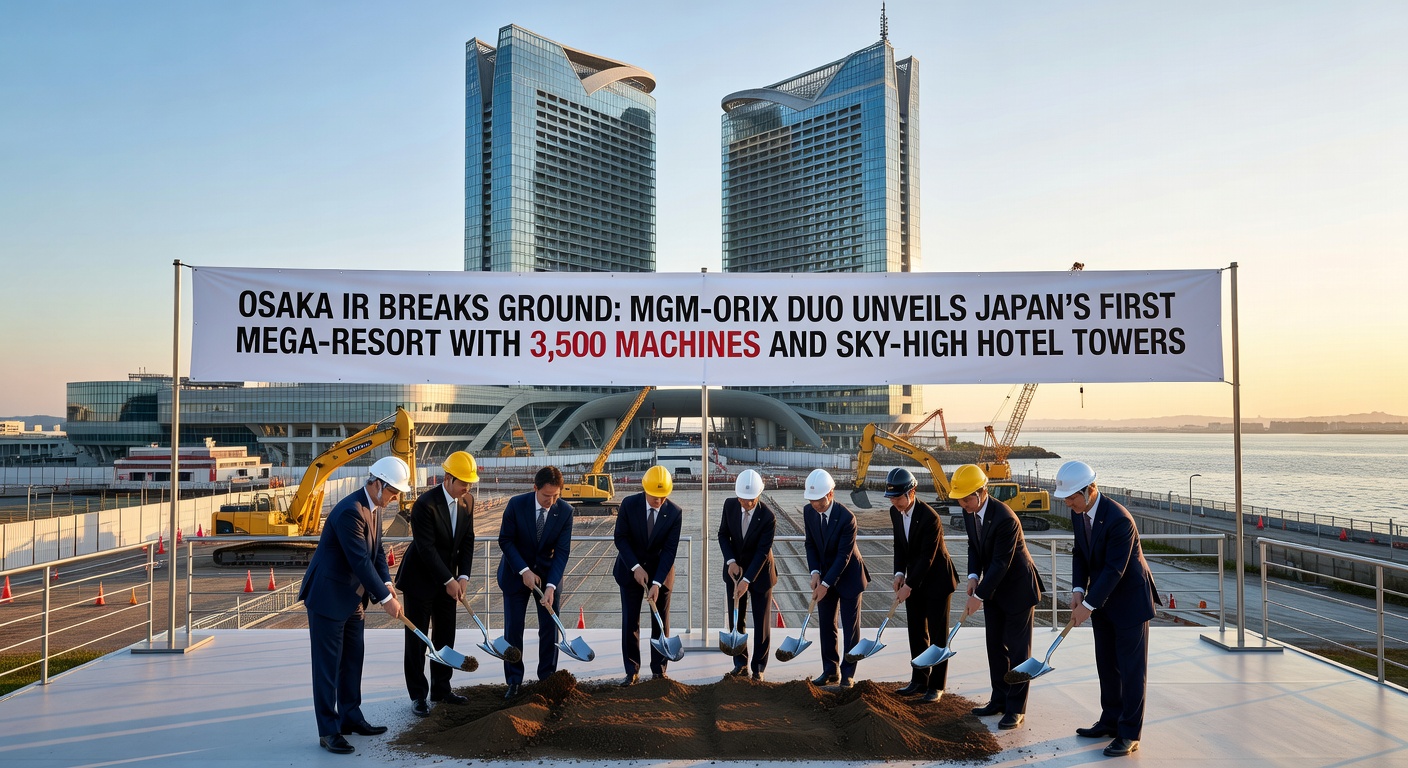
Osaka's Bold Step into Integrated Resorts
Construction crews descended on Yumeshima Island in Osaka Bay recently, marking the official start of what promises to be Japan's inaugural integrated resort; the MGM-Orix joint venture wasted no time after securing final approvals, breaking ground on a sprawling complex that blends casino gaming, towering hotels, and world-class entertainment. This project, years in the making since Japan's 2016 Integrated Resort Promotion Act took effect, positions Osaka as the vanguard in a nation long cautious about gambling expansion, yet eager for tourism and economic boosts. Data from the Japanese Ministry of Land, Infrastructure, Transport and Tourism highlights how IR developments like this one aim to draw 20 million annual visitors, injecting billions into local coffers through jobs, taxes, and infrastructure.
But here's the thing: Osaka's IR isn't just another casino; it's a meticulously planned mega-destination spanning 48 acres, featuring 3,500 gaming machines alongside table games, a 1,000-room hotel tower piercing the skyline at over 250 meters, convention spaces, and even a waterfront promenade. Observers note the strategic timing, as the nation eyes post-pandemic recovery, with construction phases accelerating toward key milestones—including potential previews by March 2026 amid ongoing global travel rebounds.
The MGM-Orix Powerhouse Behind the Build
MGM Resorts International, a Las Vegas heavyweight with decades of experience across Macau, Las Vegas, and beyond, teams up with Orix Corp., Japan's financial and leasing giant, to helm this venture; their 40-60 equity split underscores Orix's deep local roots, while MGM brings proven operational muscle from properties like Bellagio and Aria. Figures reveal the consortium committed over $8.3 billion in initial investment, a figure that ballooned from earlier bids due to rising material costs and enhanced features, yet still undercutting Yokohama's abandoned proposal by focusing on efficiency.
What's interesting is how this duo navigated Japan's stringent regulatory maze; they clinched the concession in April 2023 after pitching a vision that prioritizes Japanese players' safeguards—think facial recognition entry systems, mandatory loss limits, and tourism-forward amenities—earning nods from Osaka Prefecture and the national government. Experts who've tracked Asian gaming expansions point out that MGM's Macau footprint, where resorts like Cotai Central generate billions annually, directly informs Osaka's blueprint, adapting high-limit salons and electronic tables to local tastes.
Unpacking the Resort's Star Attractions
The casino floor steals headlines with its 3,500 machines—slots, electronic roulettes, and pachinko hybrids tailored for Japan—complemented by 300 tables for baccarat, blackjack, and poker variants; but that's just the start, as sky-high hotel towers rise in tandem, offering panoramic views from 60-plus floors complete with sky lounges and infinity pools. Convention halls spanning 118,000 square meters cater to MICE tourism (meetings, incentives, conferences, exhibitions), while retail boulevards and a theater for 2,000 spectators promise non-gaming draws that regulators demanded to balance the mix.
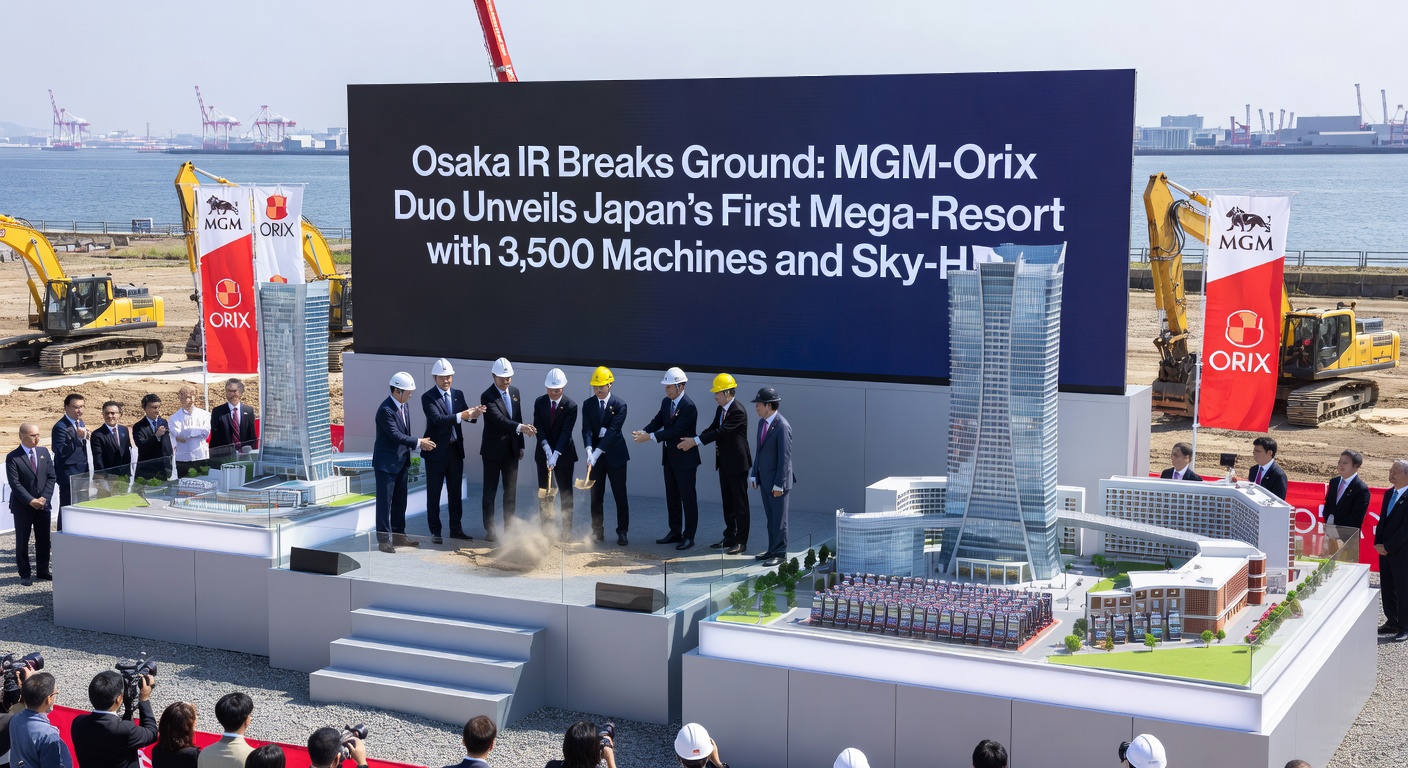
And then there's the tech edge: AI-driven personalization for guests, cashless wagering via mobile apps, and sustainability features like solar panels covering 20% of energy needs; studies from the American Gaming Association indicate such integrations boost visitor dwell time by 25%, a metric Osaka's planners bank on for repeat business. Take one case from Singapore's Marina Bay Sands, where MGM's sister operations mirror this formula, pulling in $2.5 billion yearly from diverse crowds—Osaka aims to replicate that synergy, albeit with Japan's unique 3% casino tax capped at 180 billion yen annually per venue.
Economic Ripples and Job Creation Projections
Projections paint a vivid picture: the resort could generate 15,000 construction jobs initially, transitioning to 15,000 permanent roles by opening—many in hospitality and tech—while contributing up to 340 billion yen ($2.3 billion) in annual economic impact, per independent feasibility studies commissioned by Osaka authorities. That's where the rubber meets the road for critics who once decried gambling's social costs; data shows entry fees (up to 6,000 yen for locals) and strict play-hour caps mitigate risks, drawing parallels to successful models in Pennsylvania, where the Pennsylvania Gaming Control Board reports regulated casinos added $1.6 billion in taxes last year alone without spiking problem gambling rates.
Yet challenges persist: labor shortages in Japan's aging workforce mean recruiting internationally, while typhoon-proofing on artificial Yumeshima Island demands innovative engineering; construction hit the ground running with pile-driving for foundations, eyeing a 2030 full opening, but phased rollouts—like hotel soft launches—could tease revenue streams earlier, perhaps aligning with March 2026 events showcasing progress.
Navigating Regulatory Hurdles and Community Buy-In
Japan's path to IR legalization twisted through public referendums and parliamentary debates, with Osaka's 2022 vote sealing the deal at 68% approval; observers note how MGM-Orix sweetened bids with community funds—pledging 4.5 billion yen yearly for welfare and education—addressing concerns over addiction, a hot-button issue given pachislot's entrenched 7-trillion-yen market. Research from Australia's Journal of Gambling Studies (published via university presses) reveals integrated resorts in Asia cut standalone arcade reliance by 15%, funneling players toward monitored environments—a trend Osaka banks on.
So, as cranes dot the skyline and investor eyes turn global, this project signals Japan's gaming pivot; neighboring prefectures like Nagasaki and Hokkaido eye their own bids, but Osaka leads the pack with momentum.
Global Context and Competitive Landscape
Turns out Asia's casino boom intensifies: Macau's $29 billion haul last year dwarfs rivals, yet Japan's 125 million population offers untapped potential; MGM-Orix positions Osaka as a counterweight, luring high-rollers from China via Kansai Airport proximity, while family zones echo Sentosa's success in drawing 19 million visitors sans heavy gambling focus. One study from the University of Nevada's International Gaming Institute found such hybrids yield 40% non-gaming revenue, stabilizing operations through economic dips—a lesson etched from COVID shutdowns.
People who've studied this know competition looms: Hard Rock's Yokohama flirtation fizzled, clearing Osaka's runway, but Philippine hubs like Okada Manila ramp expansions, challenging for regional dominance. Still, Japan's regulatory rigor—central oversight via the Casino Management Board—sets it apart, promising transparency that investors crave.
Timeline and Milestones Ahead
Groundbreaking kicks off Phase 1: site prep through 2025, core structures by 2028, full operations 2030; but whispers of accelerated hotel openings by late 2027, with March 2026 earmarking infrastructure showcases to hype international buzz. Delays? Unlikely, given Orix's logistics prowess and MGM's deadline discipline from U.S. builds.
Conclusion
Osaka's IR stands as Japan's gaming Rubicon, with MGM and Orix's 3,500-machine behemoth and lofty towers heralding economic vitality and controlled entertainment; figures underscore its promise—trillions in projected tourism yen, thousands of jobs, and a blueprint for national rollout—while safeguards temper risks, much like regulated peers worldwide. As shovels turn earth on Yumeshima, the world watches this fusion of tradition and ambition unfold, potentially redefining Asia's leisure map by decade's end.