London Employment Tribunal Case Centers on Tip Distribution at Metropolitan Mayfair Casino
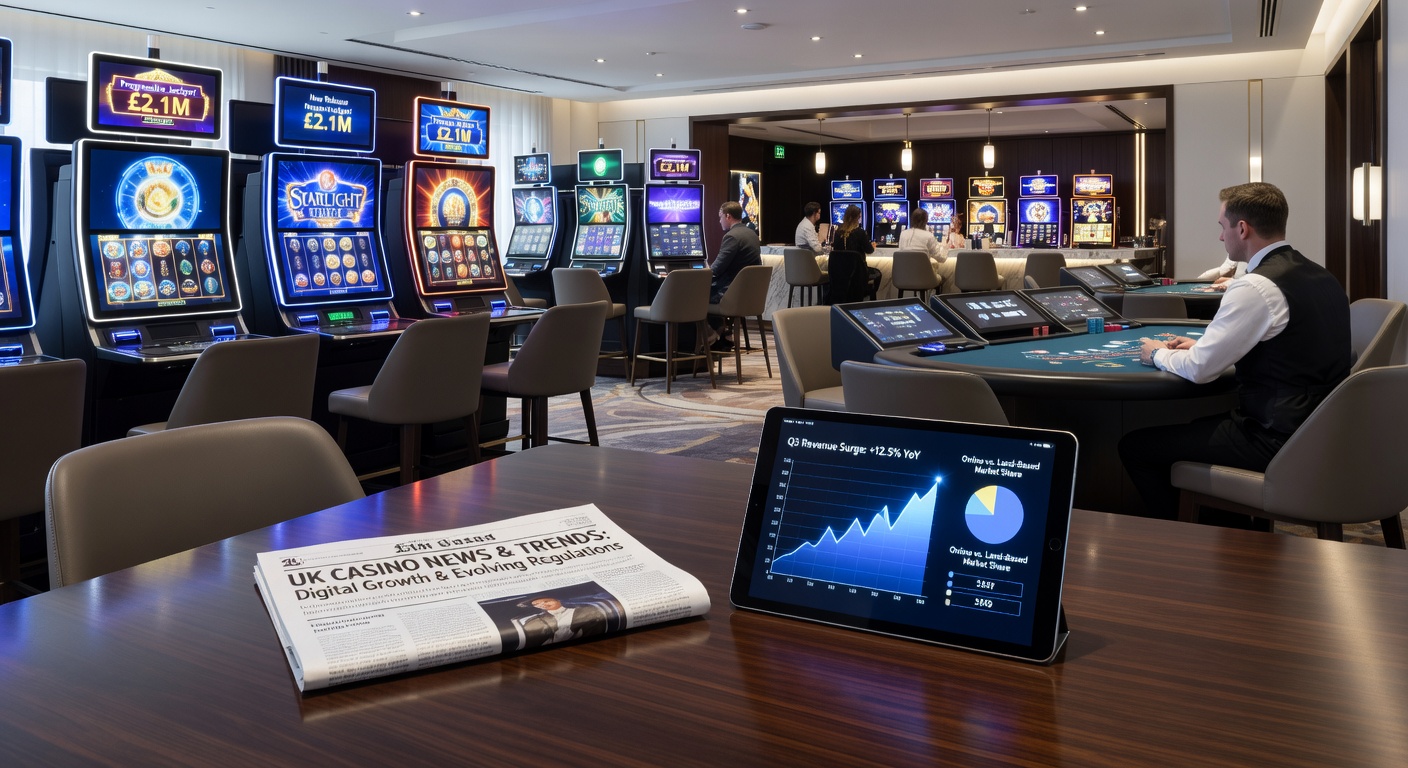
A former waiter employed at the Metropolitan Mayfair casino has submitted a formal complaint to the London employment tribunal, bringing attention to practices surrounding cash tips and an optional service charge that the claimant describes as non-transparent. The Metropolitan Mayfair casino forms part of the Metropolitan Casinos group, which operates under ownership by the US-based Silver Point Capital, and the filing occurred in early July 2026 according to court records referenced in public reporting.
The complaint outlines several specific allegations including requirements that staff share cash tips directly with managers along with other non-service personnel, while the allocation process for a 12.5 percent optional service charge added to food and beverage orders lacked clear documentation or consistent criteria. The claimant further states that management personnel received proportionally larger portions of these service charge funds despite not participating in customer service delivery, and that questioning these arrangements led directly to termination of employment, which the filing characterizes as wrongful dismissal.
Details of the Allegations Presented to the Tribunal
According to the tribunal documents, the former waiter worked at the venue for a period during which cash tips collected from tables were pooled and redistributed according to a system that included managers and additional staff categories beyond those directly interacting with guests. The optional 12.5 percent service charge, presented to customers on bills for food and drinks, underwent distribution through an internal mechanism that the claimant argues failed to meet standards of fairness or openness, resulting in managers obtaining higher shares than floor staff who handled orders and service. The filing connects these distribution practices to the subsequent dismissal, asserting that raising concerns about compliance triggered the termination.
Those familiar with employment tribunal procedures note that such claims typically require the claimant to demonstrate both the existence of the disputed practices and their connection to protected actions such as inquiring about legal compliance, while the respondent maintains the opportunity to present evidence of adherence to applicable regulations throughout the process.
Casino Response and Statement on Compliance
The Metropolitan Mayfair casino has indicated through its representatives that its tip handling policies align with UK legal requirements for fair and transparent allocation of gratuities, including provisions introduced in legislation effective from October 2024. The venue further states that no portion of tips or service charges benefits the company itself, with all funds directed toward staff according to established internal guidelines that the operator considers consistent with statutory obligations. This position appears in the public record alongside the tribunal filing and reflects the standard response available to employers facing such complaints.

Observers tracking employment disputes in the hospitality sector have seen similar cases arise when staff question pooling arrangements or service charge splits, particularly in venues where management structures intersect with customer-facing roles, and the Metropolitan Mayfair matter follows that established pattern without introducing novel legal theories at this stage.
Legal Framework Under October 2024 Legislation
UK rules updated in October 2024 mandate that tips and service charges must undergo fair and transparent distribution without employer retention for operational costs, a requirement that applies across hospitality and gaming establishments including those operating in central London. The Metropolitan Mayfair casino references this framework when describing its policies, emphasizing that distribution occurs solely among eligible staff and follows documented procedures rather than discretionary management decisions. Tribunal proceedings will examine whether the specific practices at the venue satisfied these statutory elements, including the treatment of both cash tips and the optional 12.5 percent charge.
Employment tribunals in London handle hundreds of similar disputes annually involving gratuity allocation across restaurants, hotels, and leisure venues, with outcomes often turning on evidence of written policies, staff communication, and records of how funds moved between categories of workers. The current case incorporates both the tip distribution claims and the connected allegation of retaliatory dismissal, which extends the scope of evidence the tribunal will review.
Background on the Metropolitan Mayfair Operation
The Metropolitan Mayfair casino operates as one location within a broader group structure backed by Silver Point Capital, a US investment firm with holdings in multiple leisure and gaming assets. The venue maintains standard hospitality functions including food and beverage service alongside gaming floors, creating the context in which the disputed tip practices occurred. Ownership by an overseas entity does not alter the application of UK employment law, which remains the governing framework for all staff-related matters at the site.
Court filings indicate the claimant worked in a waiter capacity and interacted directly with the service charge and tip systems described, providing the factual basis for the tribunal to assess whether the distribution methods met legal thresholds for transparency and equity. The proceedings remain at an early stage following the July 2026 submission, with further hearings expected to address documentary evidence and witness testimony from both sides.
Conclusion
The London employment tribunal will evaluate the evidence presented regarding tip sharing requirements, service charge allocation, and the circumstances of the claimant's departure from the Metropolitan Mayfair casino. The case centers on whether the venue's practices satisfied the fair and transparent standards established under October 2024 legislation, while the operator maintains that its policies meet those requirements without company retention of funds. Tribunal records and subsequent rulings will determine the outcome based on the specific documentation and testimony introduced during proceedings.