Macau Casinos Pivot from Elite VIP Suites to Mass-Market Loyalty Innovations
Theo Werner · Aug 20, 2026
Macau Casinos Pivot from Elite VIP Suites to Mass-Market Loyalty Innovations
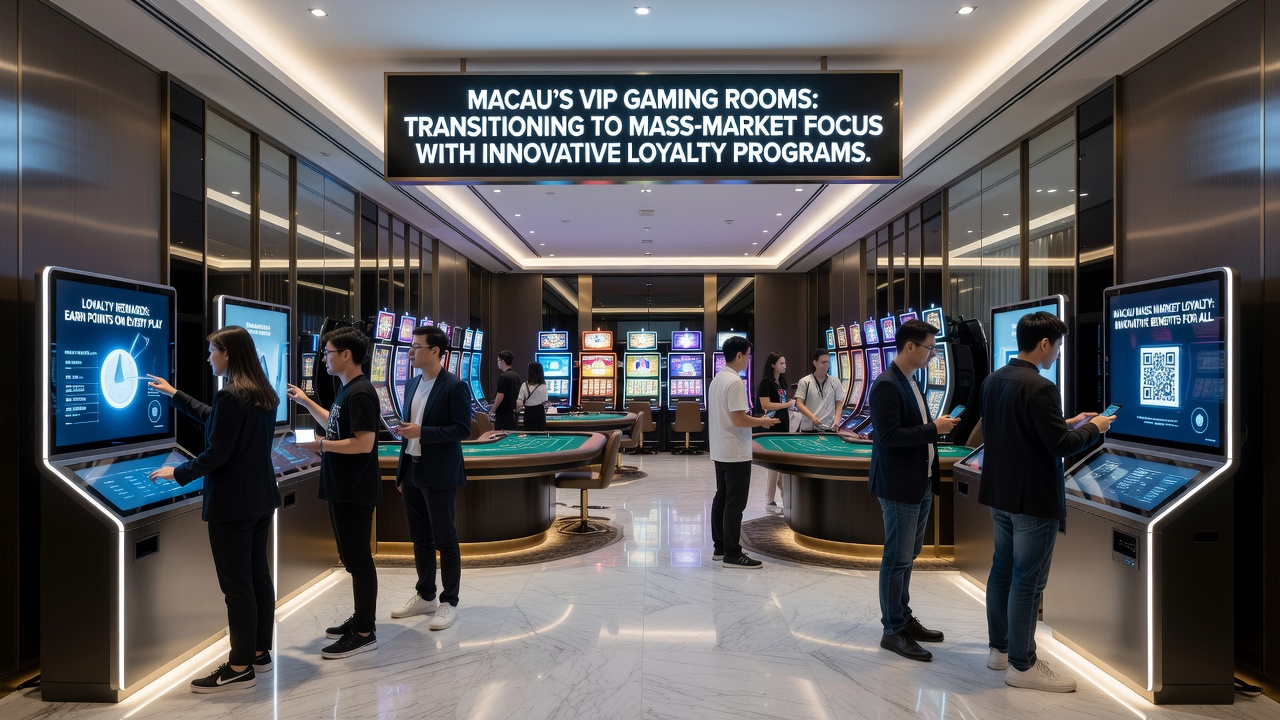
Macau's casino operators have accelerated a strategic realignment away from traditional VIP gaming rooms, which once dominated revenue streams through high-roller baccarat and junket operations, toward comprehensive mass-market offerings supported by sophisticated loyalty programs. Data from the Macau Statistics and Census Service indicates that VIP gross gaming revenue fell sharply after 2019 while mass-market segments posted consistent gains through 2025, prompting integrated resorts to redesign floor layouts, introduce tiered reward systems, and deploy mobile applications that track play across slots, table games, and entertainment venues.
Those who track regional gaming patterns note that the decline in VIP activity stems from multiple factors including stricter credit policies, reduced junket activity, and shifting preferences among high-net-worth visitors from mainland China. In response, properties operated by companies such as Sands China, MGM China, and Wynn Macau have expanded dedicated mass-market zones featuring lower minimum bets, electronic table games, and non-gaming attractions that encourage longer visits and repeat patronage.
Drivers Behind the Market Shift
Regulatory adjustments in both Macau and mainland China have played a central role in reshaping visitor demographics, while economic recovery patterns after pandemic restrictions have favored broader participation over exclusive high-stakes play. Observers point out that loyalty programs now serve as primary tools for converting occasional visitors into regular patrons by offering points redeemable for hotel stays, dining credits, show tickets, and merchandise. These systems integrate real-time data analytics to personalize offers based on individual play history, visit frequency, and spending categories.
One notable development involves the rollout of unified digital wallets across multiple properties, allowing players to accumulate and redeem rewards without switching between separate operator platforms. Industry reports highlight that such interoperability has increased average session times and cross-property visitation rates, particularly among middle-tier spenders who previously lacked access to VIP-level perks.
Key Features of Emerging Loyalty Programs
Modern programs emphasize multi-dimensional rewards rather than simple cash-back structures. Participants earn status tiers through a combination of gaming volume, non-gaming spend, and social engagement metrics such as referrals or app usage. Benefits scale accordingly, with higher tiers unlocking priority reservations, dedicated host services, and exclusive event access while entry-level members receive immediate welcome bonuses and birthday rewards.
Operators have also introduced gamified elements including daily challenges, streak bonuses, and limited-time missions that encourage exploration of different game types. Data analytics platforms monitor engagement metrics and trigger targeted notifications via push alerts or SMS, maintaining player interest between visits. These approaches align with broader trends observed in other Asian jurisdictions where integrated resorts have successfully blended gaming with retail and hospitality experiences.
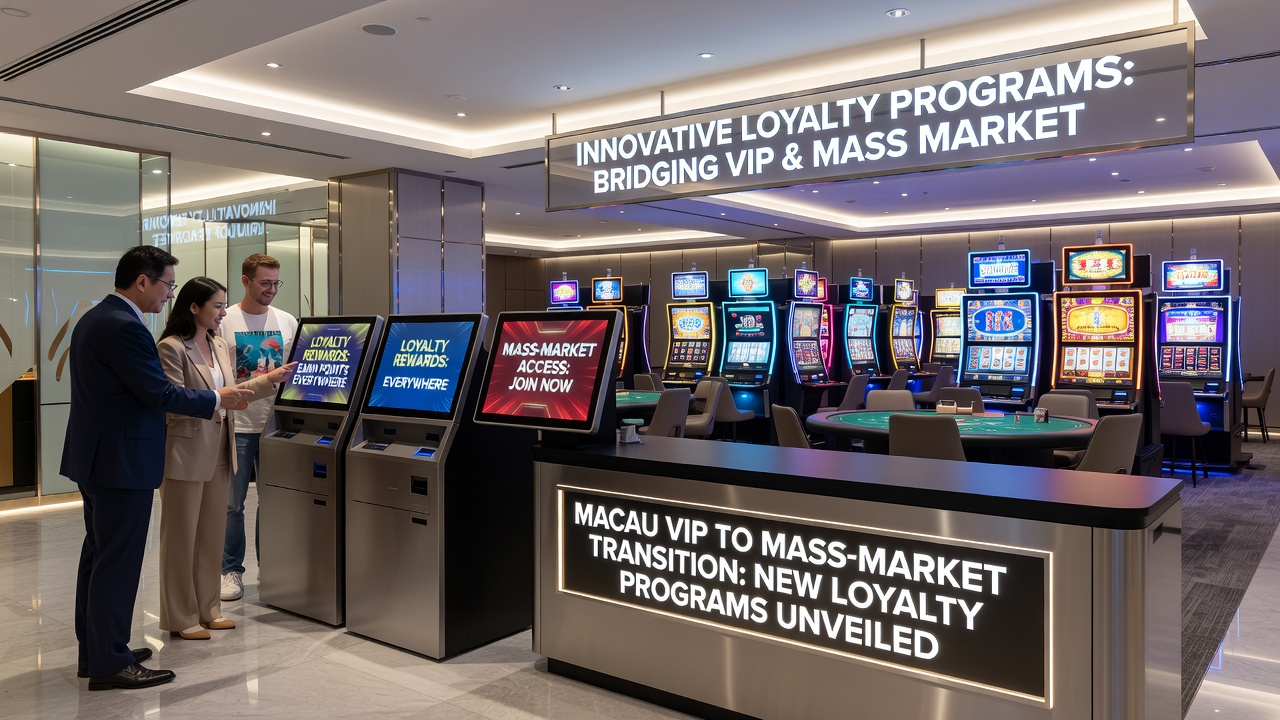
August 2026 marks the scheduled expansion of several loyalty initiatives, including enhanced mobile integration for real-time tournament entries and partnerships with regional airlines for travel redemptions. Preliminary figures released by resort operators suggest these updates aim to capitalize on expected increases in regional tourism during the summer period.
Operational Adjustments Across Major Properties
Physical changes on casino floors reflect the mass-market emphasis, with former VIP salons converted into open gaming pits equipped with electronic signage and self-service kiosks for loyalty enrollment. Staff training programs now focus on customer service metrics that support broader player bases rather than high-roller relationship management. Slot machine floors have received significant investment in progressive jackpot networks and branded game themes that appeal to casual visitors.
Research from the International Gaming Institute at the University of Nevada, Las Vegas, indicates that similar transitions in other markets have produced more stable revenue streams less vulnerable to economic fluctuations affecting premium segments. Macau operators continue to monitor these benchmarks while adapting loyalty mechanics to local cultural preferences around group play and social recognition.
Conclusion
The transition from VIP-centric models to mass-market frameworks supported by innovative loyalty programs represents a structural evolution in Macau's gaming sector. Evidence from operational data, floor redesigns, and digital platform deployments shows operators prioritizing sustainable engagement across wider visitor demographics. As August 2026 approaches, further refinements in reward structures and technology integration are expected to continue shaping how casinos attract and retain players in the region.