Machine Learning Powers the Evolution of Tailored Bonus Offers in Online Gaming Environments
Ulrich Simon · Aug 20, 2026
Machine Learning Powers the Evolution of Tailored Bonus Offers in Online Gaming Environments
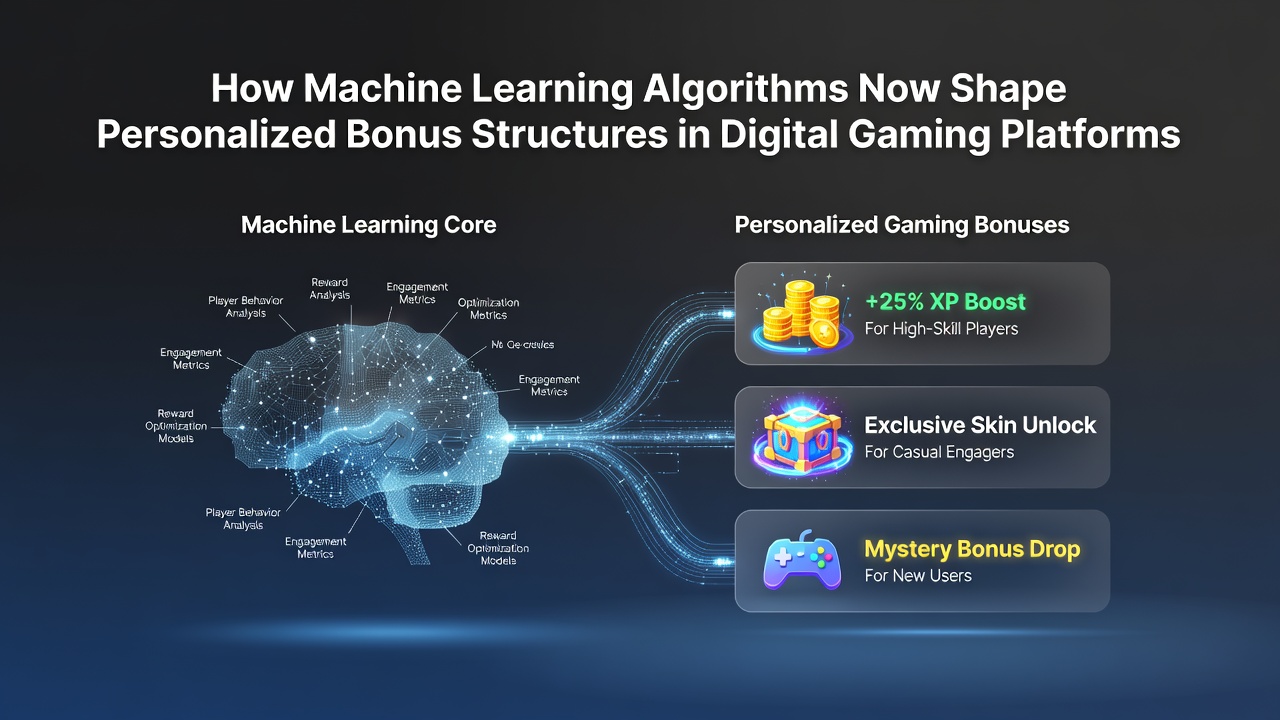
Digital gaming platforms have integrated machine learning algorithms to analyze vast datasets of player behavior, spending patterns, and engagement metrics, which allows operators to generate individualized bonus structures that align with specific user profiles. These systems process information from login times, game preferences, deposit histories, and session durations to predict which incentives will encourage continued participation without overextending promotional budgets. According to industry reports from the American Gaming Association, such algorithmic approaches have become standard across major online operators by mid-2026.
Core Mechanisms Behind Algorithmic Personalization
Supervised learning models examine historical data to classify players into segments based on risk tolerance and activity levels, whereas unsupervised techniques identify emerging clusters that traditional rules-based systems overlook. Reinforcement learning components then test bonus variations in controlled environments to optimize outcomes like retention rates and average revenue per user. Platforms deploy these layers together so that a new deposit might trigger a cashback offer calibrated to a player's typical loss threshold, while frequent low-stakes participants receive free spin packages timed to their peak activity windows.
Feature engineering plays a central role because raw telemetry must be transformed into meaningful inputs such as churn probability scores and lifetime value forecasts. Engineers at several leading providers have documented how decision trees combined with neural networks improve prediction accuracy by 15 to 25 percent over static segmentation methods, according to findings presented at recent computational intelligence conferences.
Data Inputs and Processing Pipelines
Real-time data streams from mobile apps and desktop clients feed into centralized data lakes where natural language processing extracts sentiment from support chat logs and social media mentions. Geolocation signals, device type information, and even cursor movement patterns on slot interfaces contribute additional dimensions that refine bonus targeting. In August 2026, several North American and European operators reported upgrading their pipelines to incorporate federated learning frameworks, which permit model training across decentralized datasets while preserving user privacy standards set by regional data protection authorities.
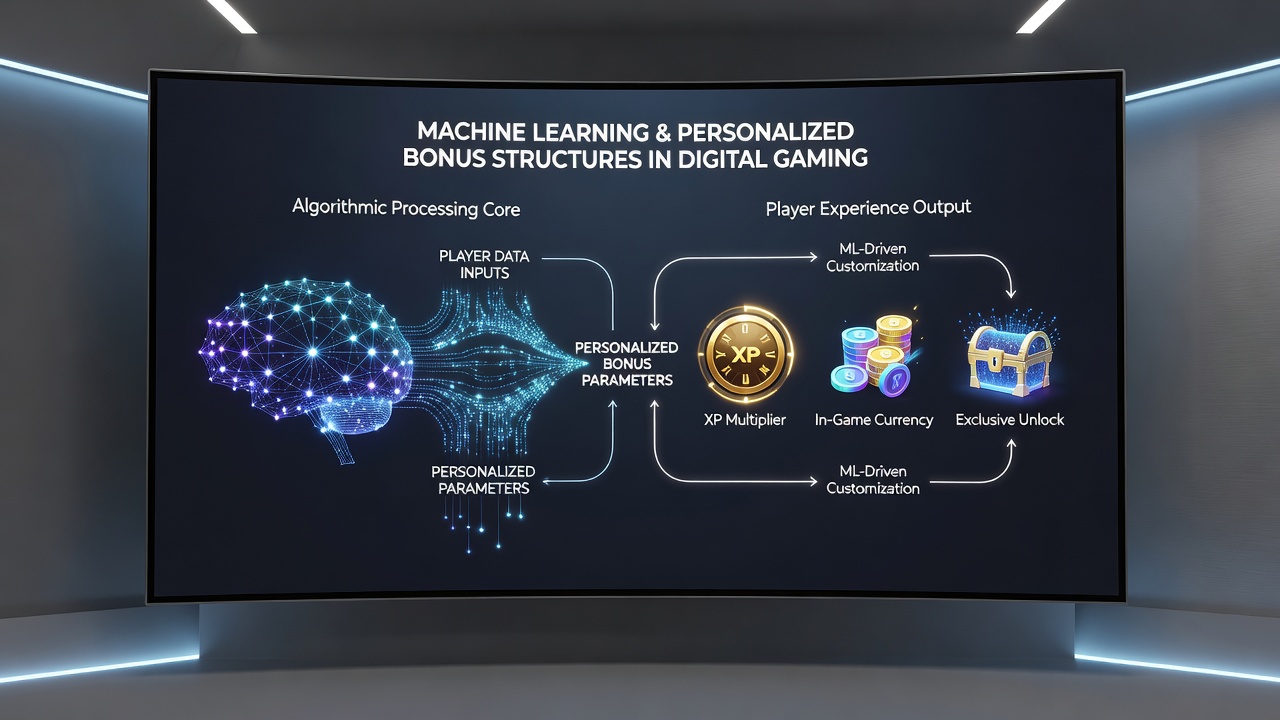
These pipelines operate continuously because static models degrade quickly when player preferences shift during major sporting events or new game releases. Automated retraining schedules run nightly, and A/B testing frameworks compare variant offers across statistically significant user cohorts before full deployment. Observers note that this iterative process reduces ineffective promotions and reallocates marketing spend toward higher-performing incentives.
Impact on Player Retention and Platform Economics
Platforms that adopted early machine learning bonus systems recorded measurable lifts in monthly active users and session frequency, with some operators citing 8 to 12 percent increases in retention metrics within the first quarter of implementation. The same algorithms also help limit exposure by capping bonus values for users flagged as high-risk through predictive models trained on responsible gaming indicators. Research published by institutions such as the University of Nevada's gaming research center has examined how these controls interact with voluntary deposit limits and self-exclusion tools.
Cost efficiency improves because generic bonus campaigns that once reached entire user bases now target only the subsets most likely to respond, which lowers overall promotional expenditure while maintaining or increasing conversion rates. Financial analysts tracking publicly listed gaming companies have linked these efficiencies to steadier margin performance despite broader market volatility.
Regulatory Considerations Across Jurisdictions
Regulators in multiple regions require operators to maintain audit trails that document how algorithmic decisions influence bonus eligibility and wagering requirements. In Canada and parts of Australia, licensing conditions now include periodic third-party reviews of personalization logic to ensure fairness and prevent discriminatory outcomes. These reviews examine whether models inadvertently disadvantage certain demographic groups or create unintended escalation in play intensity.
Compliance teams work alongside data scientists to embed explainability features into production models, enabling regulators to trace specific bonus decisions back to input variables. Such transparency measures have become a standard expectation rather than an exception in mature markets.
Future Developments and Integration Trends
Emerging work focuses on multimodal models that combine behavioral data with biometric signals from wearable devices where permitted by local law, although adoption remains limited. Integration with blockchain-based loyalty ledgers is also under exploration because immutable records of bonus issuance can support cross-platform portability. Industry consortiums have begun drafting interoperability standards that would allow players to carry earned incentives between licensed environments while preserving the underlying algorithmic protections.
Conclusion
Machine learning has shifted personalized bonus structures from broad-brush marketing tactics to precision instruments that respond dynamically to individual player patterns. Continued refinement of these systems depends on balanced data governance, cross-jurisdictional regulatory alignment, and ongoing technical investment by platform operators. The trajectory points toward increasingly sophisticated models that maintain commercial objectives while satisfying evolving compliance frameworks.