Mobile App Integrations Reshape Loyalty Rewards in Global Online Gambling

Operators across continents have turned to mobile app integrations to overhaul how players earn and redeem loyalty rewards, and the pace of change accelerated through mid-2026. Data from the American Gaming Association shows that mobile sessions now account for over 70 percent of online gambling activity in regulated markets, which has prompted platforms to embed loyalty mechanics directly into app ecosystems rather than relying on separate web portals.
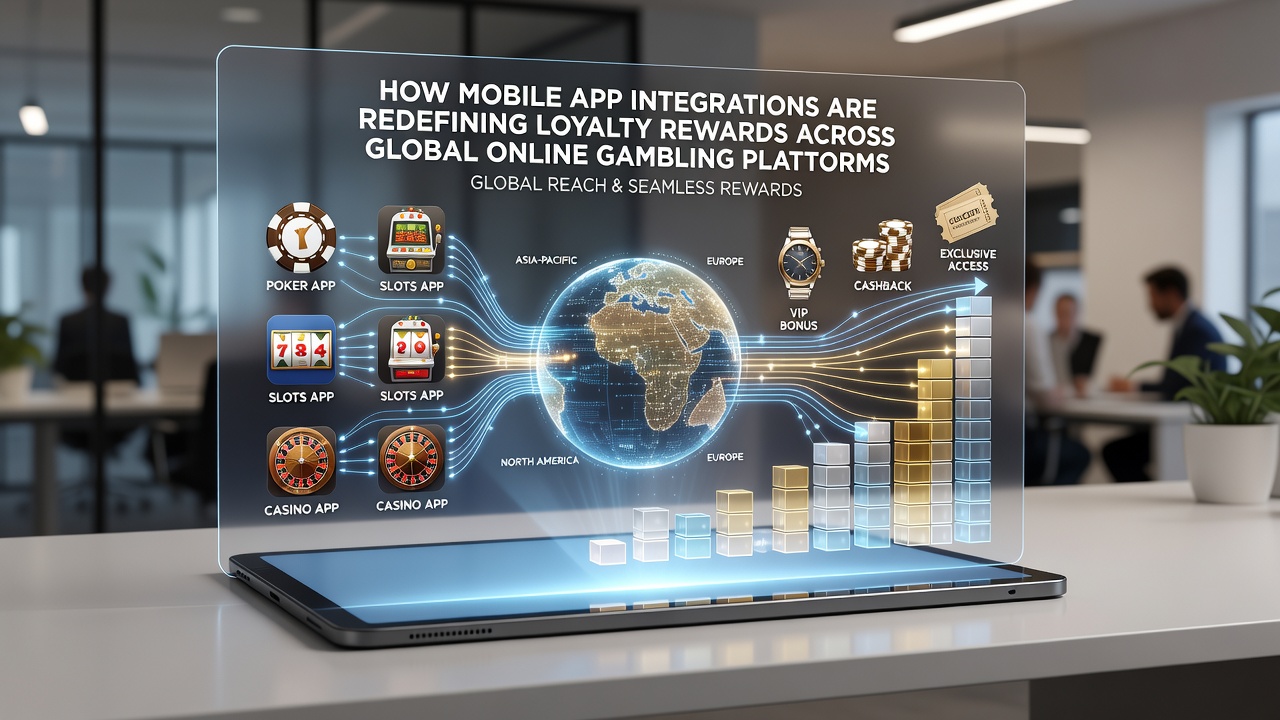
These integrations allow real-time tracking of wagers, instant tier progression, and personalized offers that sync across devices, and players in markets such as New Jersey and Ontario have seen their point balances update within seconds of placing bets. Integration layers connect core gaming engines with customer relationship management systems so that every spin, hand, or wager contributes to rewards without manual intervention.
Core Technologies Driving the Shift
Developers have combined application programming interfaces with cloud-based databases to create unified profiles that follow users wherever they play, and this architecture supports features like geofenced bonuses that activate only when a player enters a specific jurisdiction. Machine learning models analyze session patterns to adjust reward multipliers on the fly, which means high-frequency players receive tailored incentives while casual users still accumulate baseline points.
Secure tokenization of loyalty balances has also become standard, allowing transfers between affiliated brands without exposing full account details, and several European operators began piloting cross-border redemptions in July 2026 under updated data-sharing frameworks. The result is a system where points earned on a European roulette table can convert into hotel credits at an Asian resort property within the same app session.
Regional Implementation Patterns
In North America, state-licensed platforms in Pennsylvania and Michigan have adopted app modules that link loyalty tiers directly to responsible gaming tools, automatically converting a portion of points into responsible play credits once thresholds are reached. Observers note that this approach aligns with broader regulatory expectations around player protection while still delivering tangible value.
Asia-Pacific operators, particularly those licensed under Singapore's Casino Regulatory Authority framework, have focused on hybrid models that blend land-based and online rewards through a single mobile interface, and one study from the Australian Gambling Research Centre found that integrated apps increased repeat engagement rates by 34 percent compared with non-integrated alternatives. Players can now scan physical tickets from casino floors and have the equivalent value added to their digital wallet in under a minute.
Player Experience and Reward Mechanics
Users interact with dynamic leaderboards that update live during tournaments, and those who climb ranks unlock escalating benefits such as cashback percentages or exclusive tournament entries. Push notifications deliver time-sensitive offers based on current location and recent activity, yet the same systems include opt-out toggles that comply with regional privacy statutes.
Redemption catalogs have expanded beyond traditional cash or bonus credits to include merchandise, event tickets, and even charitable donations, and operators report that diversified options have improved retention metrics across demographic segments. Integration with third-party payment processors further streamlines the process so that points convert to wallet balances without leaving the app environment.
Data Security and Regulatory Alignment
Encryption standards and regular third-party audits have become prerequisites for maintaining licenses in multiple jurisdictions, and platforms must demonstrate that loyalty data remains isolated from core betting engines to prevent manipulation. In July 2026 several Canadian provinces introduced new audit requirements specifically targeting mobile loyalty modules, requiring operators to submit quarterly reports on point issuance and redemption volumes.
These measures have encouraged the adoption of blockchain-based ledgers for immutable reward histories, which provide regulators and players alike with transparent records of every transaction. The approach reduces disputes while maintaining compliance across borders.
Future Trajectories Through Late 2026
Industry analysts project continued expansion of wearable integrations that let users track loyalty progress from smartwatches, and early tests in Las Vegas have shown seamless handoffs between casino floor systems and mobile apps. Partnerships between software providers and telecommunications firms are also emerging to reduce latency in reward updates for users on mobile networks.
Global operators continue to refine algorithms that balance aggressive personalization with regulatory constraints on targeted marketing, and the outcome has been a more stable ecosystem where loyalty programs function as genuine retention tools rather than short-term acquisition tactics.
Conclusion
Mobile app integrations have established new benchmarks for how loyalty rewards operate across international online gambling platforms, and the trend shows no signs of slowing as technology and regulation evolve in tandem. Players benefit from faster, more transparent systems while operators gain deeper insights into engagement patterns that support sustainable business models.