Mobile-First Casino Platforms Transform Engagement Patterns in Southeast Asia's Expanding Markets
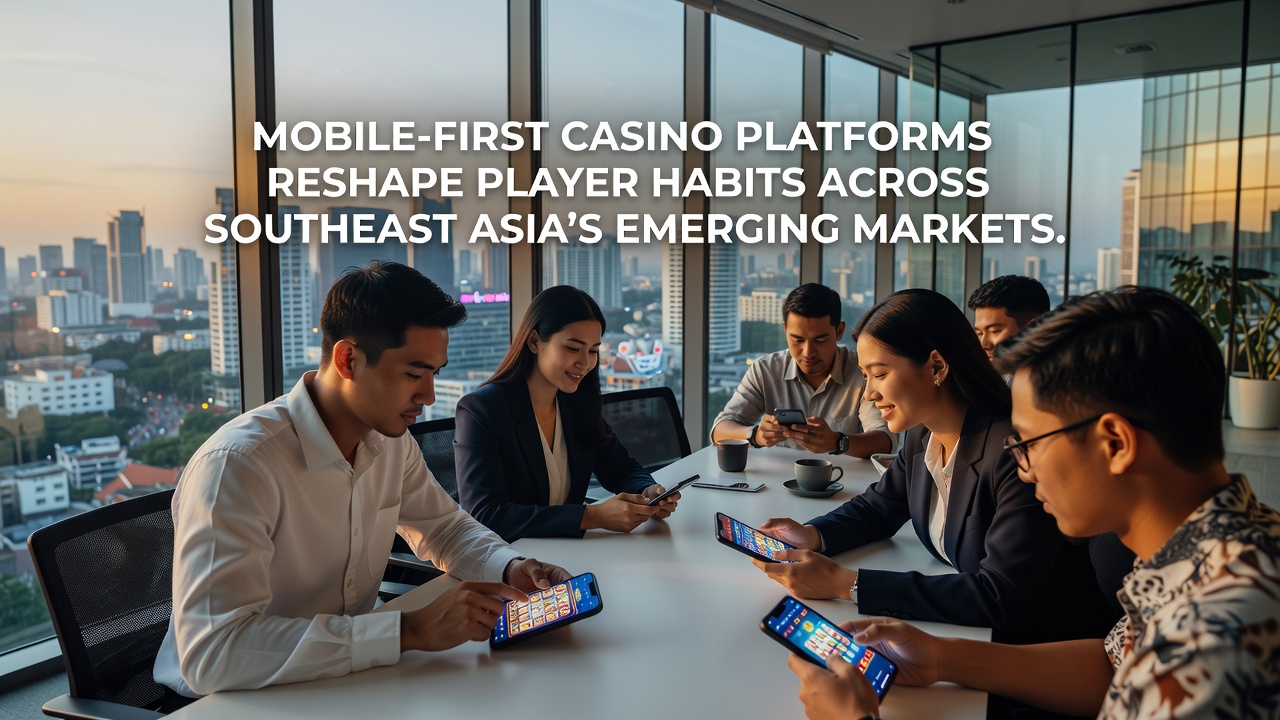
Smartphone penetration across Indonesia, Vietnam, and the Philippines has accelerated mobile casino adoption, with operators shifting resources toward platforms optimized for smaller screens and intermittent connectivity. Data from regional telecommunications reports indicate that mobile users in these markets now account for over 85 percent of digital entertainment sessions, prompting casino developers to redesign interfaces around touch controls, quick-load features, and offline caching capabilities.
Platform Design Drives Session Changes
Players in emerging Southeast Asian economies increasingly favor short, frequent interactions rather than extended desktop sessions, according to usage analytics released by several regional operators in August 2026. These patterns emerge because mobile apps integrate push notifications that prompt users during daily routines, such as transit or lunch breaks, while simplified deposit flows using local e-wallets reduce friction that once limited participation. Observers note that game selection has tilted toward titles with auto-spin and condensed bonus rounds, allowing completion within two to five minutes.
Regulatory Environment Shapes Access
Governments across the region have introduced licensing frameworks that explicitly address mobile delivery, with Vietnam's updated digital gaming guidelines and Indonesia's fintech integration rules both taking effect earlier in 2026. These policies require operators to embed responsible gaming tools directly into apps, including session timers and spending caps that activate automatically on mobile devices. Industry associations report that compliance has led to standardized APIs connecting casino platforms with national payment systems, further embedding mobile play into everyday financial habits.
Research from academic institutions tracking digital behavior reveals that younger demographics in urban centers now treat casino apps as extensions of social media, sharing achievements through built-in referral systems that reward both referrer and new user. This social layer has expanded reach beyond traditional casino venues, particularly in markets where physical gambling remains restricted or heavily taxed.
Payment Integration and Local Preferences
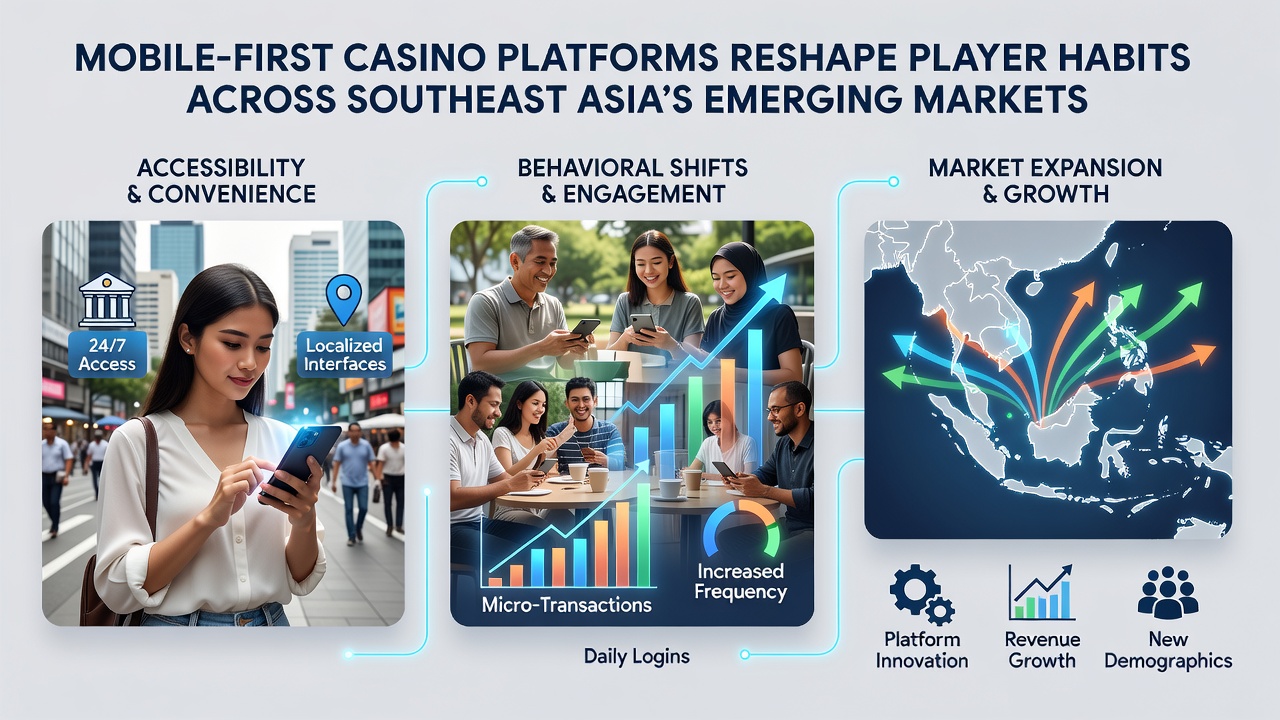
Local payment methods dominate transaction volumes, with data showing that digital wallets such as Dana, GrabPay, and ShopeePay handle the majority of deposits and withdrawals on mobile platforms. Operators that embed these options directly into registration flows experience higher retention rates, as users avoid navigating external banking portals. Studies conducted by Southeast Asian universities highlight that seamless mobile payments correlate with increased frequency of smaller wagers, altering average bet sizes compared with earlier desktop-dominated markets.
Connectivity challenges in rural areas have encouraged development of progressive web apps that function reliably on 3G networks, a factor cited in operator expansion strategies announced during mid-2026. These lightweight versions maintain core functionality while consuming less data, aligning with consumer sensitivity to mobile data costs documented in consumer surveys across the region.
Behavioral Shifts Documented in Recent Reports
Analytics platforms tracking player activity indicate a measurable rise in multi-device usage, where individuals begin sessions on phones and occasionally switch to tablets at home. Yet the initial engagement point remains overwhelmingly mobile, reshaping marketing approaches toward app-store optimization and in-app messaging. Figures released by regional gaming bodies show that bonus structures emphasizing daily login rewards and streak multipliers have gained traction, encouraging habitual returns rather than sporadic large deposits.
One study from a Singapore-based research institute examined how location-based features, such as geofenced promotions near transit hubs, influence play timing and duration. Results demonstrated that users respond to context-aware notifications by initiating shorter sessions during predictable daily windows, a pattern that differs from the longer evening blocks once common on desktop sites.
Market Expansion Through Localized Content
Developers have introduced games incorporating regional themes, language support, and cultural references that resonate with local audiences, according to content updates catalogued by industry trackers. These adaptations include slot mechanics tied to popular festivals and live dealer options featuring hosts fluent in multiple Southeast Asian languages. Adoption metrics suggest that culturally aligned titles achieve higher completion rates on mobile, where users browse catalogs during brief idle moments.
Partnerships between international software providers and domestic telecommunications firms have accelerated infrastructure improvements, enabling smoother streaming for live casino products. August 2026 data from several operators confirm that live mobile tables now represent a growing share of total handle in markets that previously lacked reliable bandwidth for video features.
Conclusion
Evidence compiled from regulatory filings, academic research, and operator disclosures demonstrates that mobile-first casino platforms continue to influence how players in Southeast Asia's emerging markets access and interact with gambling content. Integration with local payment ecosystems, adaptation to variable connectivity, and emphasis on brief engagement windows have collectively redefined participation patterns through August 2026 and beyond. Continued monitoring by regional authorities and research organizations will track whether these shifts persist as infrastructure and regulations evolve.