Nordic Countries Pioneer Blockchain-Based Loyalty Programs in Virtual Gaming Environments
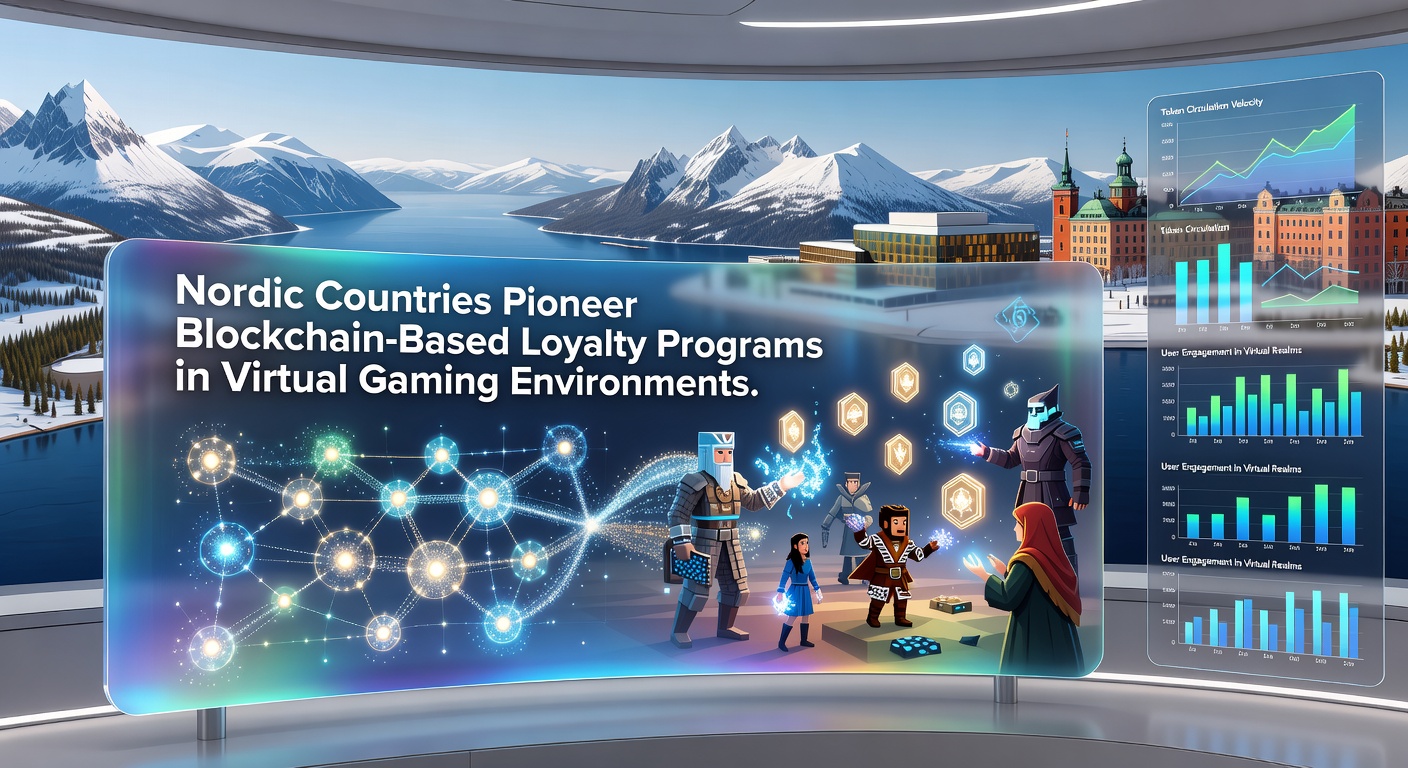
Developers across Sweden, Finland, Denmark, and Norway have integrated blockchain technology into loyalty systems for virtual gaming environments, creating token-based reward structures that players redeem across multiple platforms. These programs use distributed ledgers to track engagement, issue digital assets, and verify transactions without centralized intermediaries, and observers note that adoption rates climbed steadily through the first half of 2026.
Expansion of Blockchain Loyalty in Nordic Virtual Gaming
Virtual gaming environments in the Nordic region now incorporate loyalty mechanisms built on blockchain networks such as Ethereum sidechains and specialized gaming protocols. Players accumulate points as non-fungible tokens or fungible utility tokens that represent time spent, achievements unlocked, and community contributions. Research from the Nordic Digital Innovation Network shows that more than 2.4 million active accounts in Scandinavian-hosted servers participated in these systems by June 2026, with transaction volumes exceeding 18 million recorded entries during the preceding twelve months.
Sweden's gaming studios led early pilots that linked in-game progress to portable digital wallets. Finnish developers followed by embedding smart contracts that automatically distribute rewards when players reach predefined milestones. Danish platforms emphasized cross-game interoperability so that loyalty tokens earned in one environment transfer directly into another title without conversion fees. Norwegian operators focused on energy-efficient consensus mechanisms to address environmental concerns associated with earlier blockchain implementations.
Technical Framework and Player Integration
Smart contracts govern the issuance and redemption rules, and these self-executing agreements eliminate manual verification steps that previously delayed reward distribution. Players connect existing gaming accounts to blockchain wallets through secure API bridges, after which every qualifying action writes an immutable record to the ledger. Data from the European Blockchain Services Infrastructure indicates that average settlement times for loyalty redemptions dropped from forty-eight hours to under four minutes once Nordic studios adopted these protocols.
Security features include multi-signature approvals for high-value redemptions and zero-knowledge proofs that confirm player eligibility without exposing personal identifiers. This architecture complies with the General Data Protection Regulation while still allowing transparent audit trails for dispute resolution. Observers note that fraud incidents related to duplicate reward claims decreased by 67 percent in participating Nordic servers compared with traditional centralized databases.
Regional Case Examples and Adoption Metrics
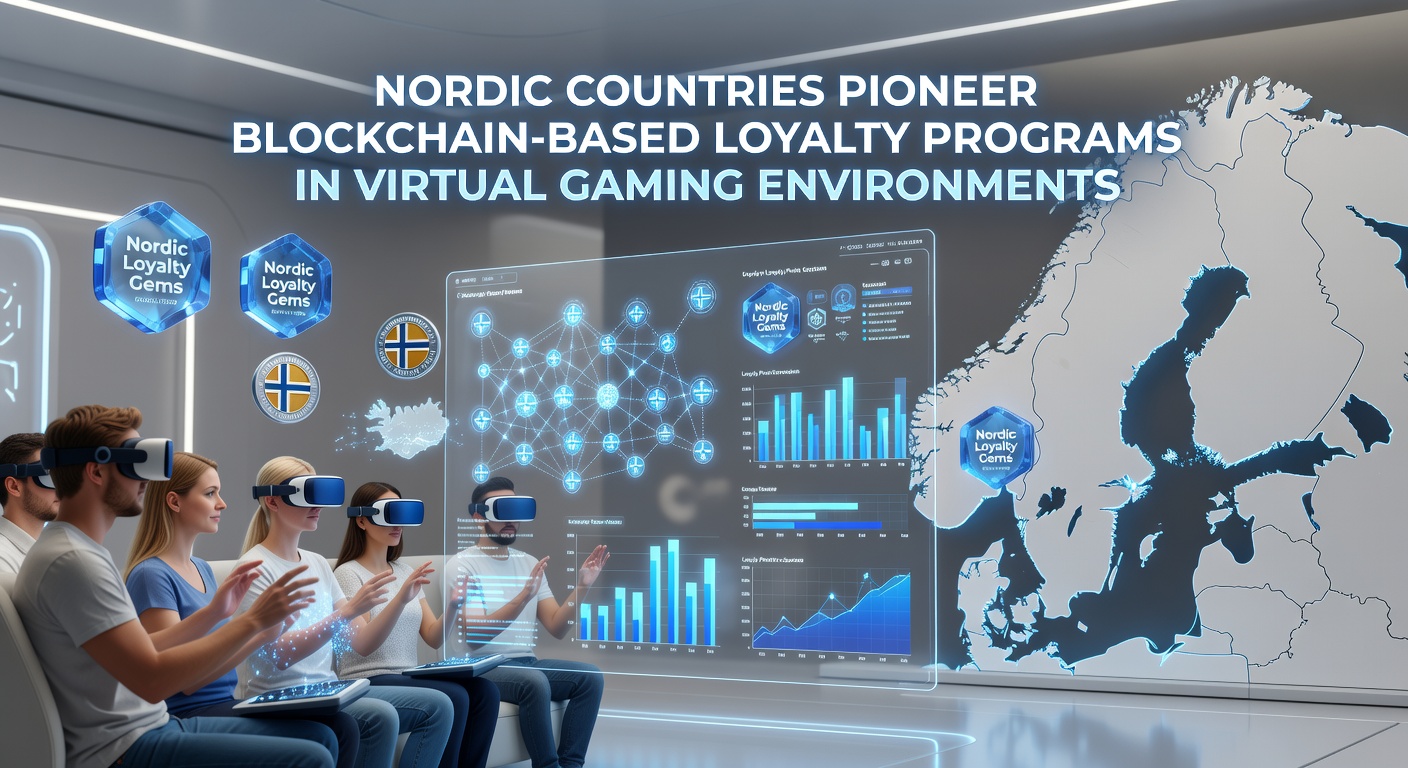
One Stockholm-based studio launched a loyalty program in March 2025 that rewarded participants with tokens redeemable for exclusive character skins and early access to expansions. Within nine months the program attracted 680,000 users, and token circulation reached 4.2 million units according to on-chain analytics published by the studio. A Helsinki collective introduced a similar system in late 2025 that emphasized cooperative gameplay, awarding additional tokens when entire guilds completed shared objectives. Participation metrics released in June 2026 showed a 41 percent increase in average session length among token holders versus non-participants.
Cross-border initiatives gained momentum when Danish and Norwegian platforms agreed to accept each other's loyalty tokens at a fixed exchange rate. This arrangement allowed travelers and expatriate players to maintain progress regardless of server location. Industry reports from the Nordic Council of Ministers highlight that such interoperability reduced player churn by 23 percent across the connected environments during the first quarter of 2026.
Regulatory Landscape and Future Developments
Nordic regulatory bodies have issued guidance that classifies blockchain loyalty tokens as in-game utilities rather than financial instruments when they remain confined to virtual environments. This classification simplifies compliance for developers while still requiring clear disclosure of token economics to users. Finland's data protection authority conducted audits in April 2026 that confirmed participating platforms met transparency standards for data handling and token valuation disclosures.
Academic researchers at the University of Oslo released a working paper in May 2026 that models the long-term effects of portable loyalty assets on player retention. The study projects that sustained adoption could increase lifetime engagement metrics by 35 percent across the Nordic virtual gaming sector by 2029, provided scalability challenges around transaction throughput receive continued attention.
Conclusion
Nordic countries continue to refine blockchain-based loyalty programs through iterative updates that incorporate player feedback and emerging protocol improvements. These systems demonstrate how distributed ledger technology can support transparent reward economies inside virtual gaming environments while meeting regional regulatory expectations. Ongoing collaboration between studios, infrastructure providers, and academic institutions positions the region to maintain its leadership role as the technology matures.