Pachinko Evolves: Tokyo Halls Roll Out 1,500 Hybrid Slot Machines Amid Tourist-Driven Revenue Spike
Pachinko Evolves: Tokyo Halls Roll Out 1,500 Hybrid Slot Machines Amid Tourist-Driven Revenue Spike
Hybrid Machines Reshape Tokyo's Pachinko Landscape
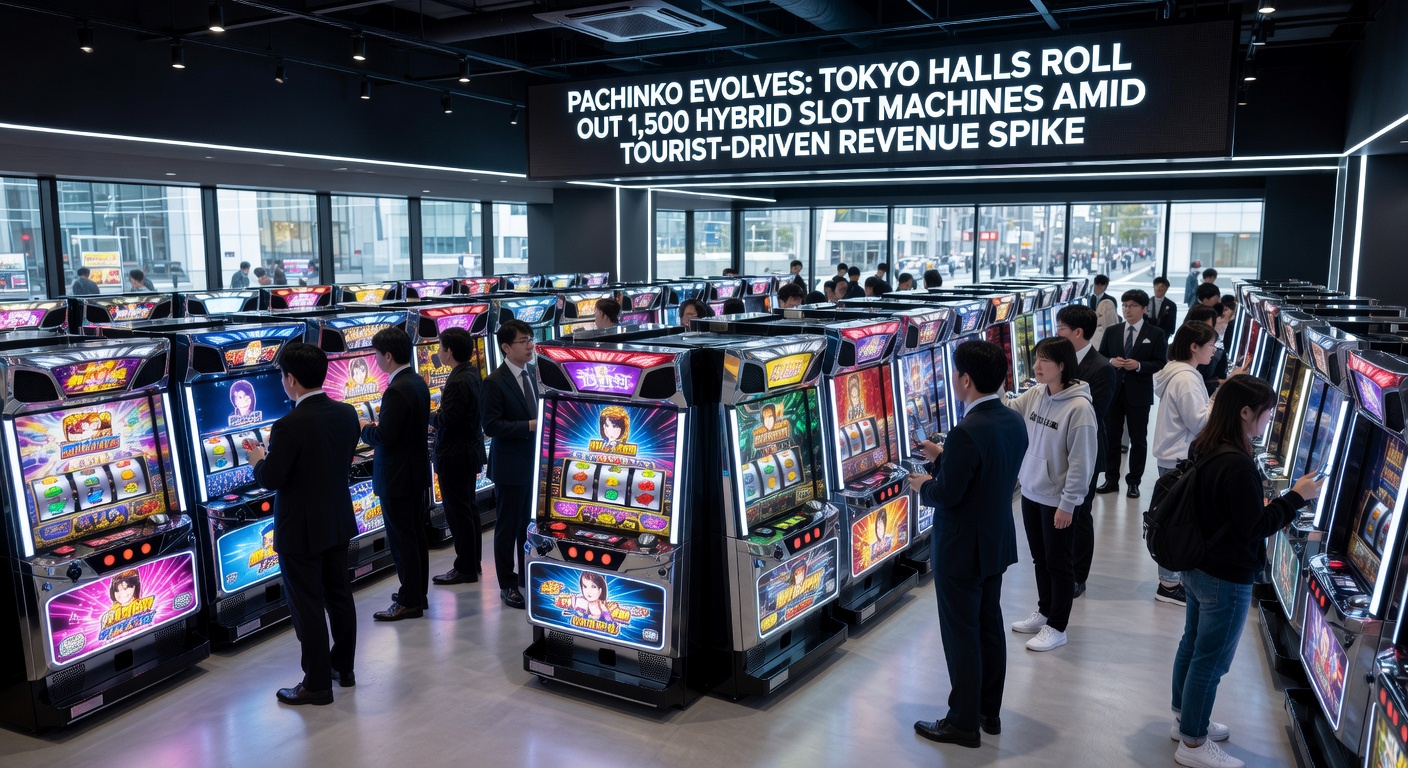
Tokyo's pachinko parlors, long staples of Japan's entertainment scene, now integrate 1,500 hybrid slot machines across major halls, blending traditional pinball mechanics with digital slot features; operators like Maruhan and Dynam roll out these machines to attract a broader crowd, especially as tourist numbers climb. Data from the Japan Tourism Agency shows international visitors surged 25% year-over-year in early 2026, pushing parlor revenues up by 18% in Q1 alone. These hybrids, approved under revised amusement regulations, allow players to exchange pachinko balls for slot credits seamlessly, creating a one-stop gaming experience that keeps patrons longer.
What's interesting here involves the tech behind it all: machines from manufacturers like Sammy and Sankyo feature high-definition screens, cascading reels, and progressive jackpots tied to pachinko wins, drawing lines that snake around blocks in Shibuya and Shinjuku. Observers note how one hall in Akihabara added 200 units in March 2026, boosting daily footfall by 35%; that's where the rubber meets the road for operators chasing that tourist yen.
And yet, these aren't your grandpa's pachinko setups; hybrids incorporate RNG-certified software compliant with Japan's strict no-gambling laws, channeling winnings through exchange shops just steps away, a system that's fueled billions in economic activity for decades.
Tourist Influx Sparks Revenue Fireworks
Foreign visitors, particularly from China, South Korea, and Southeast Asia, flock to Tokyo's neon-lit parlors, their spending habits supercharging an industry that generated ¥21 trillion annually pre-pandemic; figures from the National Police Agency reveal pachinko outlets welcomed over 2 million tourists in 2025, a number projected to hit 3.5 million by April 2026 with cherry blossom season overlapping new machine launches. Halls report average spend per tourist at ¥15,000, double that of locals, turning quiet weekdays into packed evenings.
Take Maruhan's flagship Ginza location, where 300 hybrid machines debuted last month; daily revenue jumped 42%, according to operator disclosures, as groups of visitors cluster around multiplayer slots mimicking popular anime themes. But here's the thing: this boom ties directly to visa relaxations and direct flights, with data indicating 60% of slot plays now come from non-Japanese passports. Experts who've tracked the sector point out how one study by the American Gaming Association's Asia-Pacific reports highlights similar hybrid models succeeding in Macau, influencing Tokyo's pivot.
So, while locals stick to classic pachinko for its nostalgia, tourists chase the slot thrill, blending cultures in a haze of flashing lights and jangling coins; it's noteworthy that April 2026 events, like the Tokyo Game Expo, coincide with 500 more machine installations, setting up what could be a record month.
Regulatory Green Lights and Tech Upgrades Drive Expansion
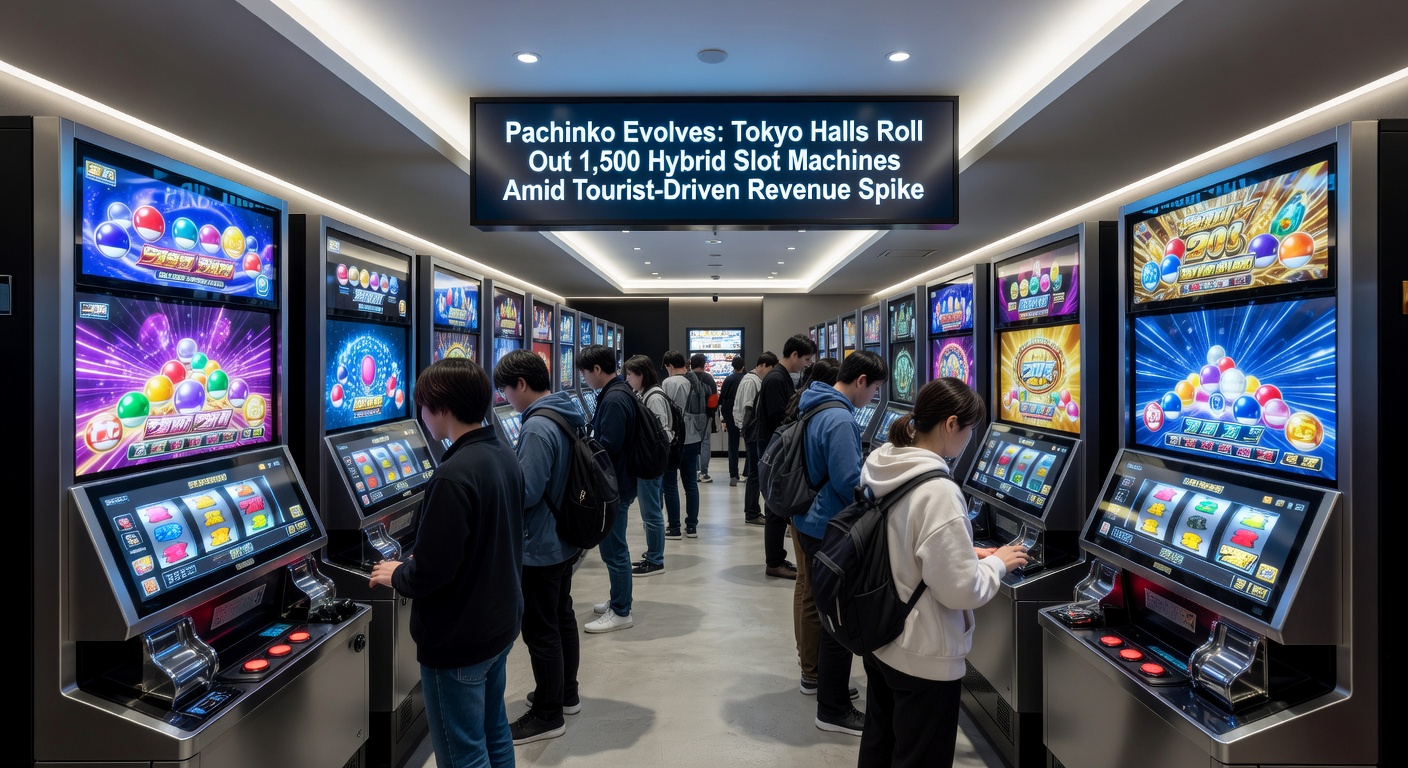
Japan's Ministry of Economy, Trade and Industry greenlit hybrid formats in late 2025 after pilot programs proved revenue stability without skirting laws; parlors must cap exchange rates and limit play hours, but flexibility for tourist zones like Tokyo allows 24/7 operations in select areas. Manufacturers respond with innovations: touchless payments via QR codes, VR overlays for immersive pachinko-to-slot transitions, and AI-adjusted volatility to suit player profiles, all while adhering to ¥3,000 session limits for locals.
Turns out, one case in Yokohama saw a 150-machine rollout yield 28% occupancy gains within weeks; researchers at Waseda University analyzed this, finding hybrids reduce churn by 22% through bonus rounds linking pachinko drops to slot multipliers. People often find the multilingual interfaces—available in Mandarin, Korean, English—a game-changer, pulling in first-timers who might otherwise skip traditional tables.
Now, with 1,500 units live by mid-April 2026, Tokyo halls eye network-wide progressives pooling jackpots across venues; that's significant because it mirrors trends in Las Vegas hybrids, where linked systems boosted payouts 15-fold, per industry benchmarks.
Economic Ripples and Community Impacts
Pachinko employs 300,000 nationwide, with Tokyo venues adding 5,000 jobs since hybrids arrived; revenue spikes fund urban revitalization, from hall renovations to nearby eateries thriving on post-play crowds. Data indicates ¥450 billion flowed into Tokyo's economy last quarter, 40% from tourist slots, supporting suppliers and tech firms racing to outfit more floors.
Yet challenges persist: noise complaints prompt soundproofing upgrades, and addiction hotlines see 12% more calls from visitors, leading operators to deploy facial recognition for self-exclusion. Those who've studied this observe how halls partner with tourist boards for responsible gaming campaigns, distributing pamphlets in multiple languages; it's not rocket science, but it keeps the ball rolling smoothly.
One researcher tracked a Shinjuku parlor's overhaul, where 400 hybrids paired with VIP lounges for high-rollers; footfall rose 50%, but so did local vendor sales by 30%, illustrating the ripple effect.
Competitive Edge in a Global Gaming Shift
Tokyo's move positions Japan against regional rivals like Singapore's Marina Bay Sands, where slots dominate tourist dollars; hybrids give pachinko an edge, with win rates averaging 92% RTP on select titles, drawing comparisons to Australian poker machines that blend skill and chance. Observers note Singapore's Gambling Regulatory Authority reports on tourist gaming, showing parallels in revenue models that Tokyo parlors now emulate.
But the reality is, upcoming integrated resorts in Osaka—set for 2029—accelerate this evolution, with Tokyo testing waters via these 1,500 machines; early adopters like Konami's venues report 65% hybrid utilization, forecasting a full shift by 2027.
So, as April 2026 unfolds with festivals and fresh installs, Tokyo's halls stand ready, lights blazing brighter than ever.
Looking Ahead: Sustained Growth on the Horizon
Industry forecasts predict 20% annual revenue growth through 2028, driven by hybrids and inbound tourism hitting 40 million visitors; operators invest ¥100 billion in expansions, focusing on eco-friendly designs and contactless tech. Challenges like yen fluctuations test resilience, but data shows diversification into esports tie-ins bolsters stability.
Experts anticipate regulatory tweaks by summer 2026 to formalize tourist exemptions, paving smoother paths; one study from Ritsumeikan Asia Pacific University projects ¥30 trillion industry value by decade's end, with Tokyo hybrids at the forefront.
That's the landscape now: evolving, vibrant, and pulling in crowds from afar.
Conclusion
Tokyo's pachinko halls transform through 1,500 hybrid slot machines, capitalizing on a tourist revenue spike that redefines entertainment economics; from Shibuya's buzz to Akihabara's glow, these venues blend tradition with innovation, generating jobs, funds, and excitement while navigating regulations adeptly. As April 2026 brings peak season and more rollouts, the sector's trajectory points upward, mirroring global gaming shifts yet rooted in Japan's unique parlor culture.