Partnerships Between Esports Organizations and Betting Platforms Reshape Revenue Models in Southeast Asian Markets
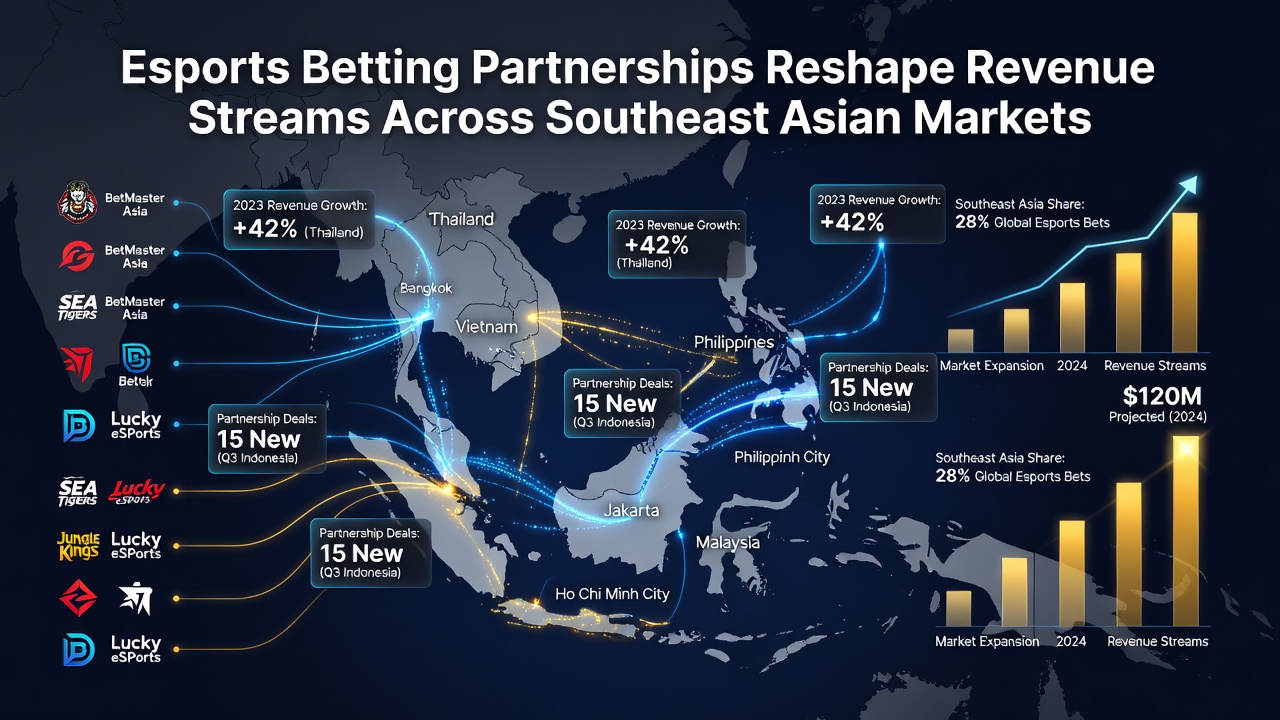
Esports betting partnerships have expanded rapidly across Southeast Asia since 2023, with operators linking directly to regional leagues and tournament organizers to create integrated revenue channels that extend beyond traditional match wagers. These collaborations now encompass sponsorship packages, data-sharing agreements, and co-branded betting products that tap into markets such as the Philippines, Indonesia, Malaysia, and Vietnam where mobile penetration exceeds 80 percent in urban centers. Data from industry trackers shows that combined esports betting handle in these four countries reached approximately $4.8 billion in 2025, a figure that reflects both organic audience growth and structured commercial tie-ups between platforms and competition rights holders.
Key Market Drivers in Southeast Asia
Observers note that the combination of young demographics and widespread smartphone access has created conditions where betting operators can move beyond standalone platforms and embed services within official esports ecosystems. In the Philippines, for instance, the Philippine Amusement and Gaming Corporation has issued guidance that permits licensed operators to form partnerships with local esports federations, provided age-verification and responsible-gaming tools remain in place. Similar frameworks in Malaysia allow operators to secure sponsorship rights for Mobile Legends tournaments, generating fixed fees plus revenue-share percentages that scale with handle volume. These arrangements differ from earlier models in which betting companies simply purchased advertising inventory; current deals often include exclusive odds feeds, in-game betting triggers, and shared marketing campaigns that run across social platforms popular with Southeast Asian viewers.
Revenue Stream Evolution Through Structured Alliances
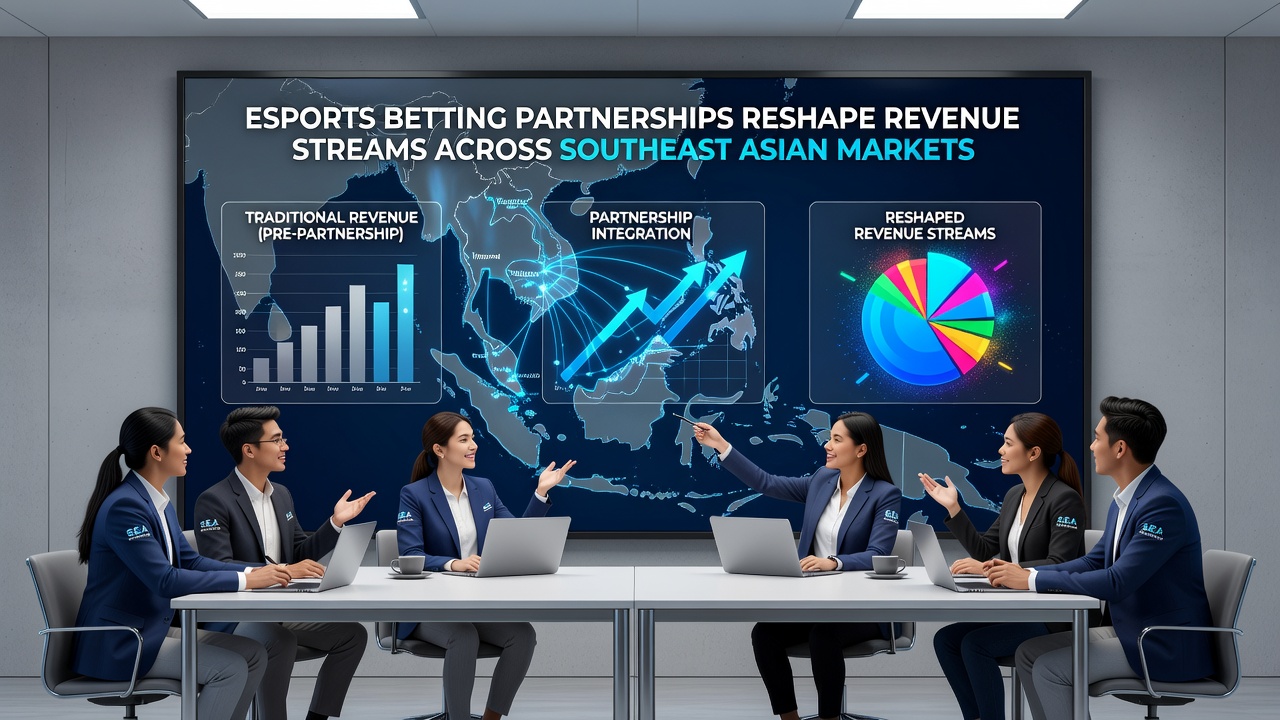
Traditional revenue from pre-match and live betting continues to form the core, yet partnerships have introduced supplementary streams such as fantasy-league entry fees, prediction-game microtransactions, and branded merchandise bundles tied to specific teams. A partnership announced in June 2026 between a major Vietnamese betting operator and the national esports association illustrates this shift: the agreement grants the operator access to real-time match data for dynamic odds while committing the operator to fund grassroots training centers in exchange for a percentage of derived betting turnover. Such structures allow leagues to diversify income away from pure broadcasting rights and ticket sales, while operators gain differentiated products that reduce reliance on generic international matches.
Regional Regulatory Developments
Regulatory approaches vary yet increasingly accommodate controlled commercial partnerships. Singapore’s Remote Gambling Act permits local operators to partner with overseas esports events under strict licensing conditions, while Indonesia maintains a prohibition on domestic betting platforms even as cross-border access through VPNs remains common. Thailand’s evolving entertainment-complex legislation, expected to clarify esports betting provisions by late 2026, has already prompted several international operators to open representative offices in Bangkok. Across these jurisdictions, licensing bodies emphasize that partnerships must include transparent reporting of player funds and adherence to advertising standards that restrict targeting of minors.
Impact on Operator Strategies and Platform Features
Operators have responded by developing localized interfaces that support multiple Southeast Asian languages and integrate popular regional payment methods such as e-wallets and instant bank transfers. One notable case involves an Indonesian platform that partnered with a Jakarta-based esports organizer to launch a dedicated tournament series where a portion of each bet contributes to a prize pool for amateur teams. This model, replicated in Malaysia and the Philippines, creates a feedback loop in which higher betting activity directly funds talent development and increases overall engagement. Analysts tracking these arrangements report that retention rates among users who participate in such sponsored events exceed those of standard betting accounts by roughly 25 percent, according to aggregated operator disclosures.
Future Outlook Through Mid-2026
By June 2026 several multi-year agreements will reach renewal stages, giving both sides an opportunity to recalibrate revenue splits based on performance data collected over the preceding 24 months. Market participants anticipate further integration of augmented-reality overlays that allow viewers to place bets directly from streaming apps, a feature already piloted in Singapore-hosted events. Academic studies from regional universities continue to examine the socioeconomic effects of these partnerships, focusing on employment created within esports production teams and the effectiveness of harm-minimization tools embedded in betting interfaces. Evidence gathered so far indicates that structured collaborations, when paired with regulatory oversight, can generate sustainable income for both the esports sector and licensed operators without displacing traditional sports betting volumes.
Conclusion
Partnerships linking esports organizations with betting platforms have established new revenue pathways that extend across Southeast Asian markets, supported by mobile infrastructure, evolving regulations, and shared commercial interests. These arrangements continue to mature as operators and leagues refine data-sharing protocols and co-branded products, while licensing authorities maintain focus on compliance and player protection. The trajectory through 2026 suggests further consolidation of these models rather than reversal, with revenue diversification remaining a central theme for both sectors.