Singapore's Resort World Sentosa Initiates Biometric Payment Trials for Table Games to Enhance Transaction Speed and Uphold Data Privacy Rules
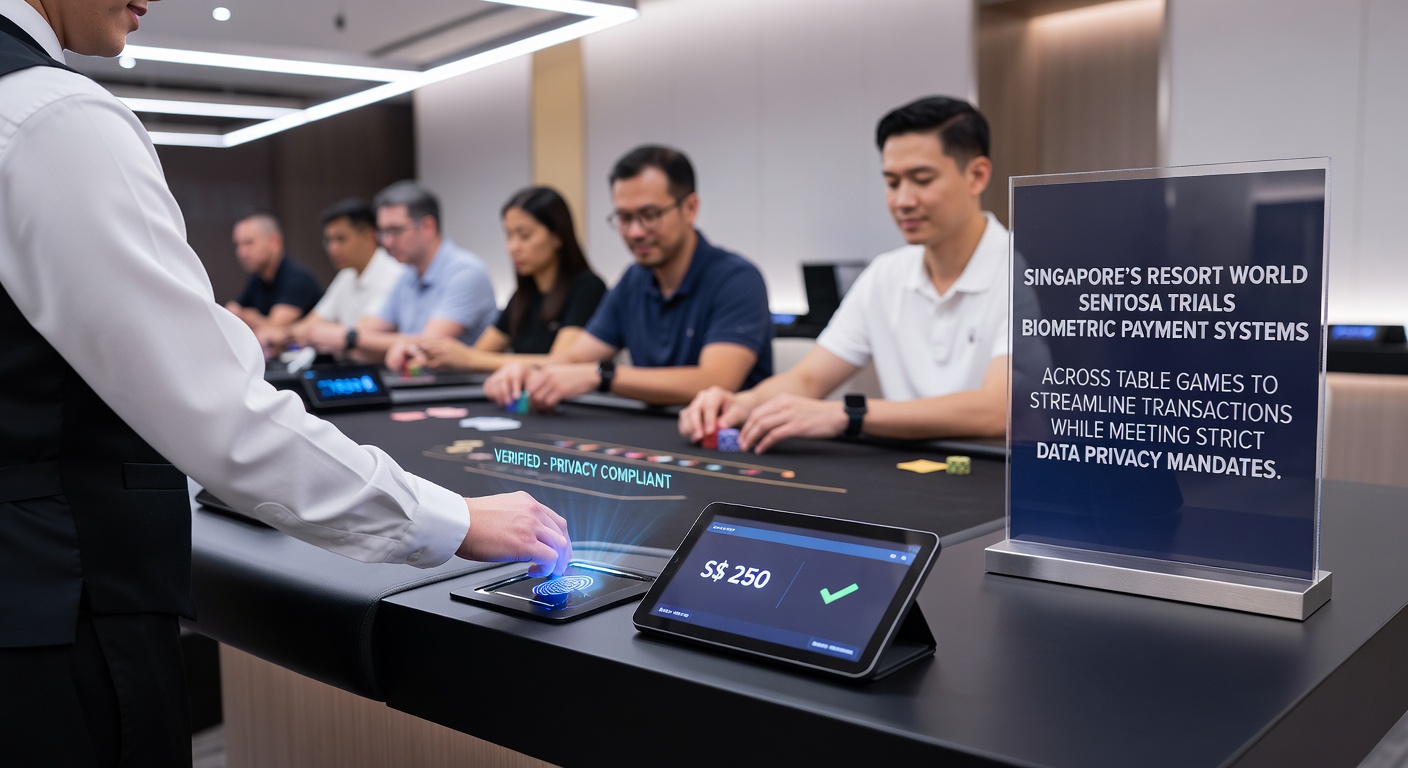 Resort World Sentosa has begun testing biometric payment systems across its table games floor, a move designed to reduce transaction times while aligning with Singapore's Personal Data Protection Act requirements. The trial integrates fingerprint and facial recognition technology directly into gaming tables, allowing players to complete bets and payouts without physical chips or cash handling in many cases. Data from initial phases shows transaction processing dropping from an average of 45 seconds to under 12 seconds per exchange, according to internal reports shared with industry observers. The system works by capturing biometric data at dedicated kiosks upon player registration, then linking that information to a secure digital wallet. Once verified, players tap a sensor at the table to authorize transfers, and the technology cross-checks identity in real time through encrypted channels. This setup eliminates delays associated with traditional chip exchanges and dealer verifications, yet it maintains full compliance with audit trails required by the Casino Regulatory Authority of Singapore.
Privacy Framework Underpinning the Trials
Strict data handling protocols form the core of the implementation, with all biometric templates stored in isolated servers that use end-to-end encryption and regular third-party audits. The Personal Data Protection Commission of Singapore has reviewed the framework, confirming that raw biometric images are deleted immediately after template creation and that players retain full control over data deletion requests at any time. Consent forms presented during onboarding explain these steps in plain language, and the trial includes mandatory cooling-off periods for participants who wish to withdraw.
Resort World Sentosa coordinates these measures with external cybersecurity firms to monitor for potential breaches, while daily logs track access attempts without storing identifiable player information beyond the necessary gaming session details. Researchers from the Singapore Management University have noted in related studies that such layered approaches reduce unauthorized access risks by up to 78 percent compared to traditional card-based systems.
Timeline and Expansion Plans Through May 2026
Phase one of the trial launched quietly in late 2025 on select blackjack and roulette tables, involving fewer than 200 registered players during the first three months. Positive feedback on speed and convenience prompted an expansion in early 2026 that added baccarat pits and additional sensors. By May 2026 the program is scheduled to cover 60 percent of the property's table games inventory, with integration into mobile apps for pre-arrival top-ups that further streamline entry onto the floor.
Project managers report that hardware reliability has exceeded expectations, with sensor uptime averaging 99.4 percent across thousands of daily transactions. Staff training programs run in parallel, teaching dealers how to assist players who encounter initial setup issues while keeping focus on game pace. One dealer supervisor described the process as straightforward once the initial registration hurdle clears, noting that repeat visitors now complete setup in under two minutes on average.
Operational Impacts Across Gaming Areas
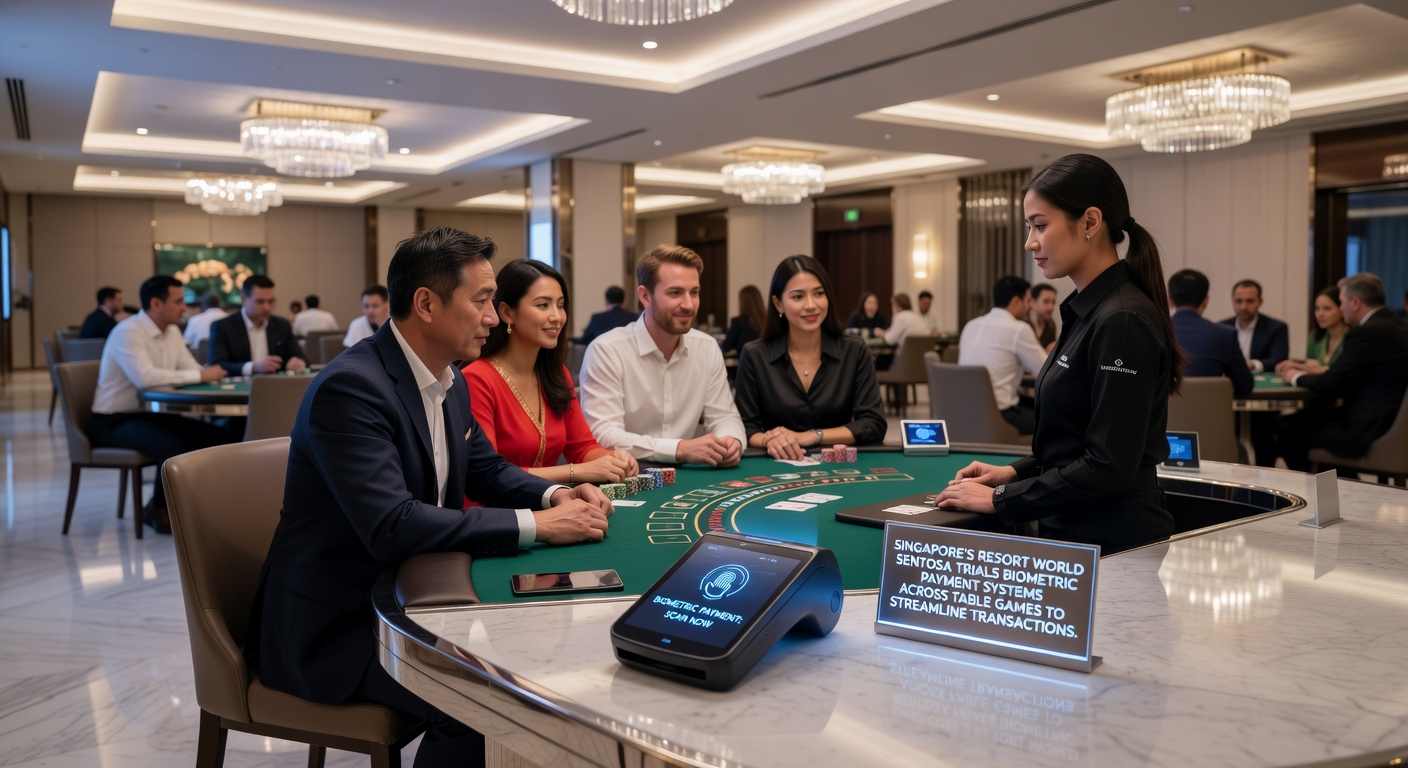
Table games revenue tracking has become more precise because every transfer logs automatically in central systems, reducing discrepancies that occasionally arose from manual chip counts. Floor managers can now review real-time flow data to adjust staffing during peak hours, and the technology supports multi-currency handling for international visitors through automatic conversion at prevailing rates. Early figures indicate a 15 percent increase in table utilization during trial periods, as players spend less time waiting between hands.
Similar systems have appeared in other jurisdictions, yet Singapore's version incorporates additional safeguards such as mandatory liveness detection to prevent spoofing attempts and session timeouts that force re-verification after 30 minutes of inactivity. These features address concerns raised in global gaming technology assessments while fitting the city's emphasis on secure digital infrastructure.
Broader Industry Context and Regulatory Alignment
Singapore's integrated resorts continue to serve as testing grounds for technologies that balance efficiency with regulatory oversight, and the biometric initiative builds on prior electronic table game rollouts completed in 2024. Industry reports from the Asia Pacific Casino Association highlight how such innovations help properties manage rising operational costs without increasing headcount, particularly as visitor numbers recover to pre-pandemic levels. The trial also supports the government's Smart Nation initiative by demonstrating practical uses for secure identity verification in entertainment settings.
Feedback collection remains ongoing through in-app surveys and direct interviews with participants, with adjustments made to interface design based on usability scores. Data collected during the May 2026 expansion phase will determine whether the technology extends to slot areas or remains focused on table operations where transaction volume stays highest.
Conclusion
Resort World Sentosa's biometric payment trial represents a measured step toward faster table game experiences while embedding data protection measures from the outset. As the program scales through May 2026, results will inform whether similar approaches gain traction at other Singapore venues and beyond. The emphasis on consent, encryption, and regular oversight continues to guide development, ensuring the technology serves both operational goals and regulatory standards without compromise. Observers expect further refinements based on accumulated performance metrics and player input, keeping the focus on reliable, privacy-respecting solutions that fit Singapore's unique gaming environment.