Skill-Based Gaming Machines Drive Global Expansion, Testing North American Casino Revenue Structures
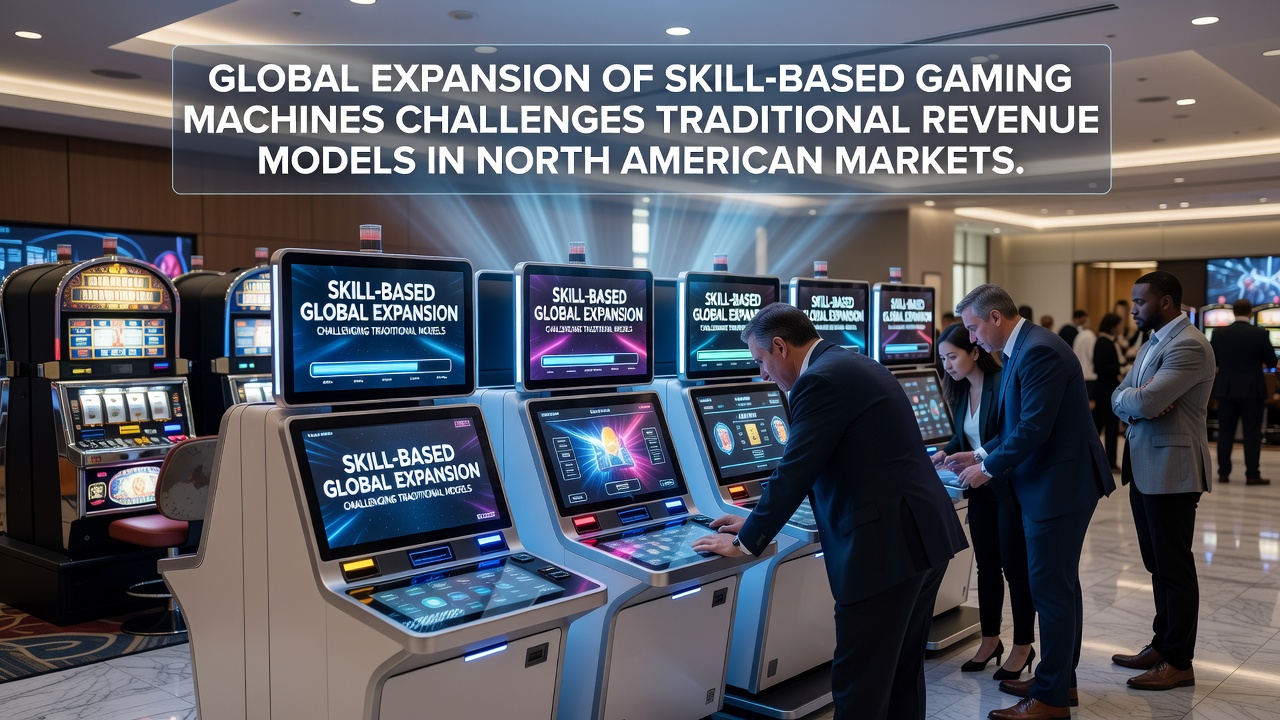
Skill-based gaming machines have moved beyond niche experiments and now operate in regulated markets across Asia, Europe, and Latin America, where operators integrate video game mechanics with wagering systems. These devices reward player decisions and timing rather than relying solely on random number generators, which creates measurable shifts in how revenue flows through casino floors. Data from multiple jurisdictions shows participation rates rising steadily since 2023, particularly among younger demographics who prefer interactive formats over traditional reel spins.
International Rollouts Accelerate Adoption Rates
Markets in Australia and parts of Southeast Asia introduced skill-based terminals in high-traffic venues during 2024, with operators reporting average session times extending 25 to 40 percent compared with classic slot products. Canadian provinces followed similar patterns, where provincial gaming corporations tested hybrid machines that combine elements of strategy games with fixed house edges. European regulators in Malta and the Netherlands approved limited deployments by mid-2025, citing player protection frameworks that require transparent skill-versus-chance ratios displayed on each terminal.
Observers note that these global deployments generate operational data on hold percentages and player retention that North American operators now review when planning floor layouts. Figures released by industry associations indicate that skill-based units can achieve hold rates between 4 and 8 percent when calibrated correctly, which differs from the 6 to 12 percent range typical of many video slot banks in the United States and Canada.
North American Revenue Models Face Structural Pressure
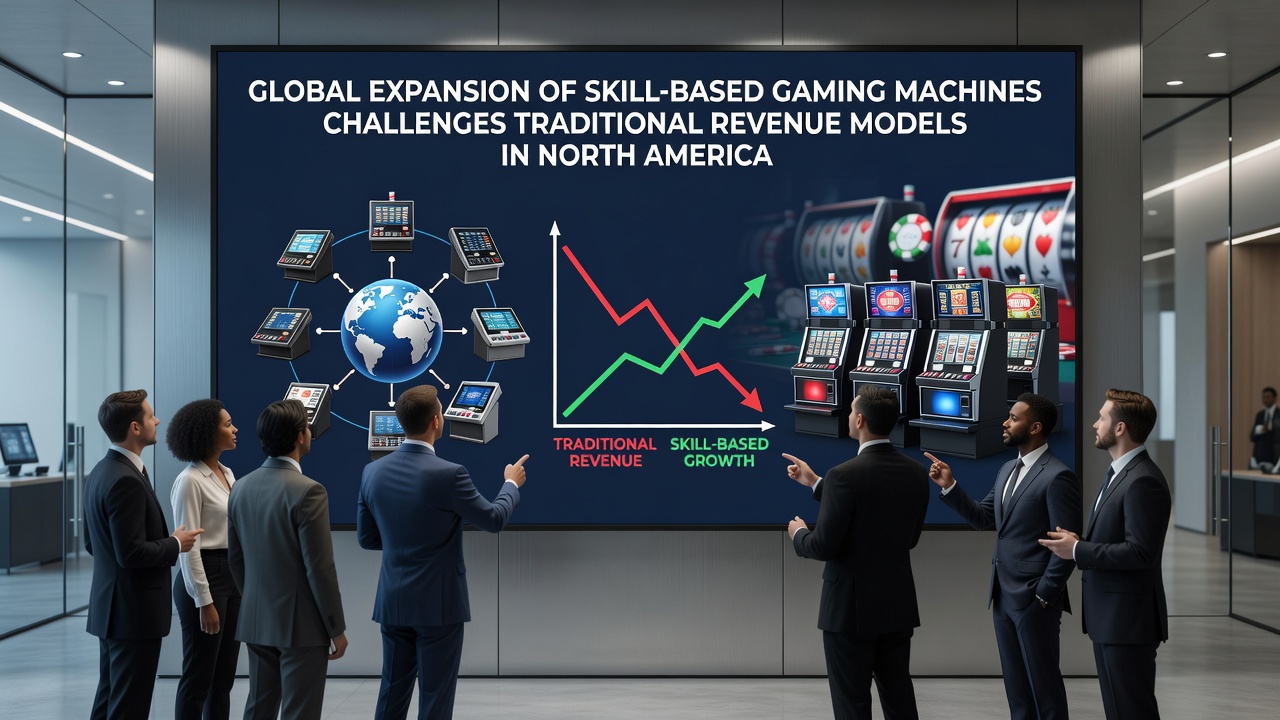
Casino operators in Nevada, New Jersey, and Ontario have documented slower growth in traditional slot revenue during the first half of 2026, while locations that added skill-based terminals recorded stable or slightly higher daily win per unit. The difference stems from how these machines alter play patterns: sessions last longer, yet individual bets often decrease because players focus on decision sequences rather than rapid spins. This dynamic reduces the total number of handle pulls per hour, which directly affects gross gaming revenue calculations used by state and provincial tax authorities.
Research conducted by the University of Nevada, Las Vegas gaming management program tracked floor performance across 12 properties and found that mixed installations containing 15 percent skill-based units maintained overall revenue within 2 percent of prior-year levels, whereas floors without such units showed declines averaging 4.7 percent. Those findings align with reports from the Ontario Lottery and Gaming Corporation, which noted comparable stabilization after introducing interactive terminals in select urban venues during early 2026.
Regulatory Adjustments and Tax Considerations
State gaming boards in the United States began reviewing classification rules for skill-based devices in July 2026, focusing on whether these machines should fall under existing slot taxes or receive separate treatment based on the measurable skill component. Proposed frameworks in several jurisdictions would require operators to submit independent testing data proving that chance still determines at least 51 percent of outcomes, preserving the legal definition of gaming devices. Canadian regulators adopted a similar approach earlier in the year, mandating quarterly audits that separate skill-influenced results from pure random elements.
Tax revenue projections from government agencies indicate that any widespread shift toward lower-hold, longer-session machines could reduce annual collections by 3 to 6 percent in high-volume markets unless tax rates or machine caps adjust accordingly. Industry groups such as the Canadian Gaming Association have supplied economic models to policymakers showing how gradual integration of skill-based terminals can offset revenue dips through increased visitation and ancillary spending on food and entertainment.
Operational Changes on Casino Floors
Property managers report that skill-based machines require different maintenance schedules and staff training because players frequently request explanations of game mechanics and scoring systems. Floor layouts now allocate dedicated zones with larger screens and seating arrangements that encourage extended play, whereas traditional high-denomination slot sections continue to emphasize quick turnover. Several major operators have partnered with software developers to create branded titles that incorporate recognizable video game intellectual properties, which has increased cross-promotional opportunities with entertainment companies outside the gaming sector.
Those who've studied floor traffic patterns note that skill-based zones attract a broader age range during daytime hours, while evening crowds still cluster around progressive jackpot banks. This segmentation allows properties to optimize staffing and energy usage across different sections of the gaming area without major capital investment beyond the initial machine purchase.
Conclusion
Global expansion of skill-based gaming machines continues to generate operational data that North American operators and regulators examine when evaluating revenue sustainability. Jurisdictions that have already integrated these terminals demonstrate measurable changes in session length, hold percentages, and player demographics, prompting adjustments to tax frameworks and floor management strategies. Continued monitoring through 2026 and beyond will determine how widely these formats scale within existing North American regulatory structures and whether traditional revenue models require recalibration to accommodate longer, decision-driven play cycles.