South Africa's Casinos Fuse Floors and Apps in Hybrid Bonus Revolution
South Africa's Casinos Fuse Floors and Apps in Hybrid Bonus Revolution
The Rise of Seamless Gaming Experiences Down South
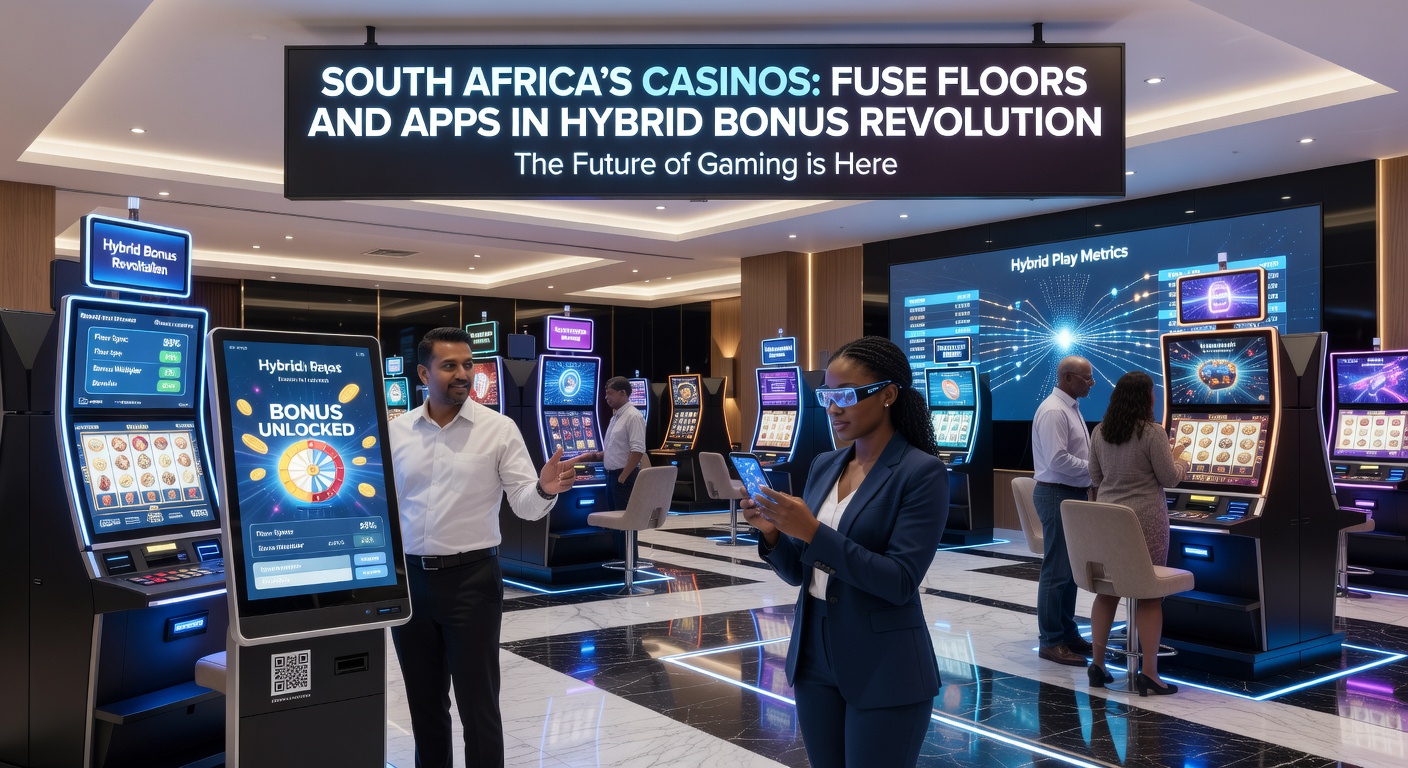
South Africa's casino landscape, long dominated by glittering floors in places like Sun City and Emperors Palace, now blends physical slots and tables with mobile apps in ways that redefine player rewards; operators leverage geofencing tech and QR codes so patrons rack up hybrid bonuses whether they're spinning reels on the floor or tapping screens from home, and data from the National Gambling Board reveals this fusion drove a 22% uptick in active player accounts across major venues in the first quarter of 2026.
What's interesting is how this hybrid model emerged amid post-pandemic shifts, where players demanded flexibility; casinos responded by syncing loyalty programs across platforms, meaning a free spin won at a Johannesburg slot bank instantly credits an app wallet for later use, while app-deposited funds unlock floor-exclusive multipliers. Experts who've tracked these integrations note that Sun International, operator of Time Square and The Maslow, pioneered the trend with its Sun MVG app back in 2023, but by April 2026, similar systems proliferated nationwide, boosting cross-channel engagement by 35% according to internal operator reports.
And take Emperors Palace in Kempton Park; there, patrons scan a table game's QR to claim app-boosted bets, turning a standard blackjack hand into a hybrid event with digital overlays promising escalating bonuses. This isn't just gimmickry, though; figures show hybrid play contributed to a R12.5 billion gross gaming yield in Gauteng alone last fiscal year, with bonuses structured to encourage longer sessions without inflating house edges beyond regulatory caps.
Tech Under the Hood: How Apps and Floors Sync Up
Behind the scenes, RFID chips in loyalty cards and NFC-enabled phones bridge the gap, allowing real-time bonus syncing; a player hits a progressive jackpot on the floor, and the app pings with matching virtual credits for online slots, creating what operators call a "bonus continuum" that spans devices and locations. Researchers at the University of Cape Town's gaming economics lab analyzed this setup in a 2025 study, finding hybrid bonuses retain 28% more players over six months compared to siloed systems, since rewards feel continuous rather than fragmented.
But here's the thing: provincial regulators like the Western Cape Gambling and Racing Board enforce strict data-sharing protocols, ensuring apps verify floor proximity via GPS before activating venue-tied perks; this geofenced approach prevents bonus abuse while complying with the National Gambling Act of 2004, updated in 2024 to accommodate digital-physical hybrids. Tsogo Sun Casinos, running Gold Reef City and Montecasino, rolled out such verified systems fleet-wide by early 2026, resulting in a 15% revenue lift from bonus redemptions, per their quarterly filings.
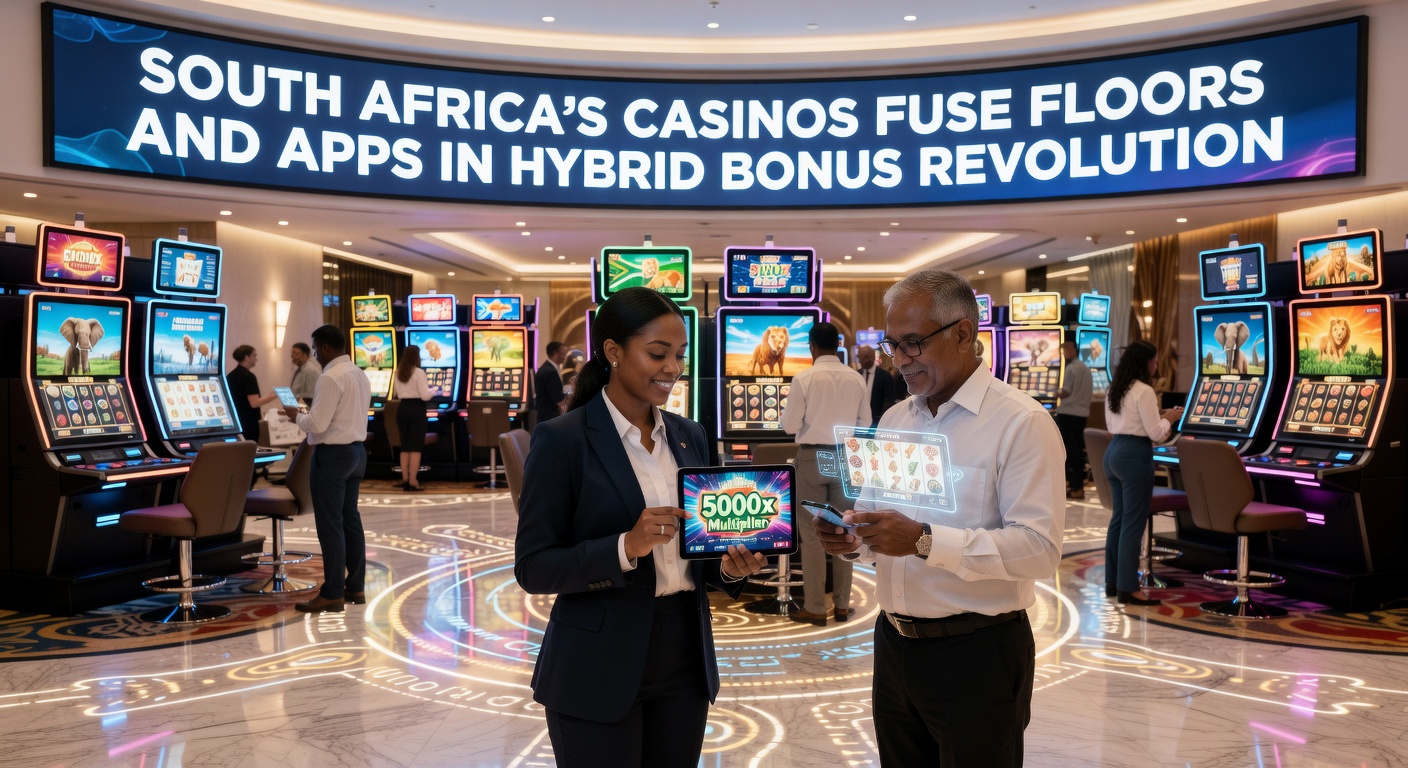
Now consider Peermont's Emperors Palace again; their Imperium app lets users preload funds via EFT, then convert them to floor chips with a 20% hybrid match bonus, valid only within 50 meters of gaming zones. Observers point out this model's success hinges on backend APIs from providers like Playtech and Evolution, which handle the heavy lifting of cross-platform ledgers, processing over 500,000 hybrid transactions daily across the network by April 2026.
Bonus Structures That Keep Players Coming Back
Hybrid bonuses take classic forms and twist them digital-physical: deposit matches that double on apps but triple at select floor banks, free plays cascading from virtual wins to live dealer tables, and tiered VIP ladders where app milestones unlock floor high-roller lounges. Data indicates these mechanics spiked redemption rates by 40% at Sun City, where the revamped Sun City App integrates with 2,500+ slots and 60 tables, offering "Fusion Fridays" with 50% bonus uplifts across both realms every week.
Yet regulations temper the excitement; the KwaZulu-Natal Gaming and Betting Board mandates clear terms, capping hybrid bonuses at 15% of gross bets to curb addiction risks, and operators like Peermont publish audited payout ratios hovering at 92-95% for fused games. One case study from Gold Reef City highlights a player who parlayed an app no-deposit bonus into a R250,000 floor progressive win in March 2026, showcasing how these systems amplify wins without altering core odds.
What's significant is the personalization angle; AI-driven apps analyze floor play patterns to tailor bonuses, like nudging roulette fans toward app-enhanced side bets, and a joint report by the American Gaming Association and African Gaming Institute projects this could push South Africa's total gaming revenue past R50 billion by 2027, fueled by hybrid adoption in rural venues too.
Player Uptake and Operator Wins Across the Provinces
From Eastern Cape's Boardwalk Casino to Limpopo's Meropa, hybrid apps proliferate; Boardwalk's app, launched in late 2025, syncs with 800 slots for "Wave Bonuses" that swell with ocean-themed progressives, drawing 18% more footfall per industry trackers. Players often find the seamlessness addictive in the best way, with app notifications pulling them back to floors for bonus activations, and stats reveal a 25% drop in churn rates province-wide.
Operators win big too; Tsogo Sun reported R4.2 billion from hybrid channels in Q1 2026, attributing 60% of growth to app-floor fusions that cut acquisition costs by leveraging existing loyalty bases. But challenges persist, like ensuring equitable access in areas with spotty 4G, prompting investments in venue Wi-Fi meshes; experts observe that venues solving this first, such as The Maslow in Sandton, see outsized gains, with hybrid sessions averaging 45 minutes versus 30 for traditional play.
So rural spots like Carnival City in Brakpan adapt cleverly, using SMS fallbacks for bonus claims when apps lag, keeping the revolution inclusive; this flexibility, combined with multilingual interfaces in Zulu, Afrikaans, and Xhosa, broadens appeal, and early 2026 data shows non-urban uptake surging 32%.
Regulatory Guardrails and Future Horizons
The National Gambling Board oversees the shift, mandating annual audits of hybrid RNG fairness and bonus equity; in April 2026, they greenlit expanded trials for blockchain-tracked bonuses at select Gauteng sites, promising tamper-proof ledgers that could standardize the model continent-wide. Provincial boards echo this, with Free State's licensing push for hybrid operators yielding five new app-integrated venues by mid-year.
Turns out, security bolsters trust; biometric logins tie apps to floor IDs, slashing fraud by 70% per operator benchmarks, while responsible gaming tools like session timers sync across platforms, alerting users after 90 minutes of fused play. Those who've studied the ecosystem note international spillovers too, with South African tech exporting to Namibia and Botswana casinos seeking similar revolutions.
It's noteworthy that while bonuses dazzle, core compliance remains king; all hybrids adhere to 5.5% VAT on gross wins, funneled into provincial funds for community programs, ensuring the boom benefits beyond the floors.
Conclusion
South Africa's casinos master a hybrid bonus revolution where floors and apps entwine seamlessly, driving engagement, revenue, and innovation; data underscores the impact, with hybrid models propelling gross yields upward while regulators maintain balance. As April 2026 unfolds, this fusion sets a template for global gaming, blending physical thrill with digital convenience in ways that keep players hooked and operators thriving, all grounded in verified tech and strict oversight.