Thailand Accelerates Casino Legalization: Phuket's Coastal Projects Eye 2,500 Slots and Expansive Baccarat Floors
Thailand Accelerates Casino Legalization: Phuket's Coastal Projects Eye 2,500 Slots and Expansive Baccarat Floors
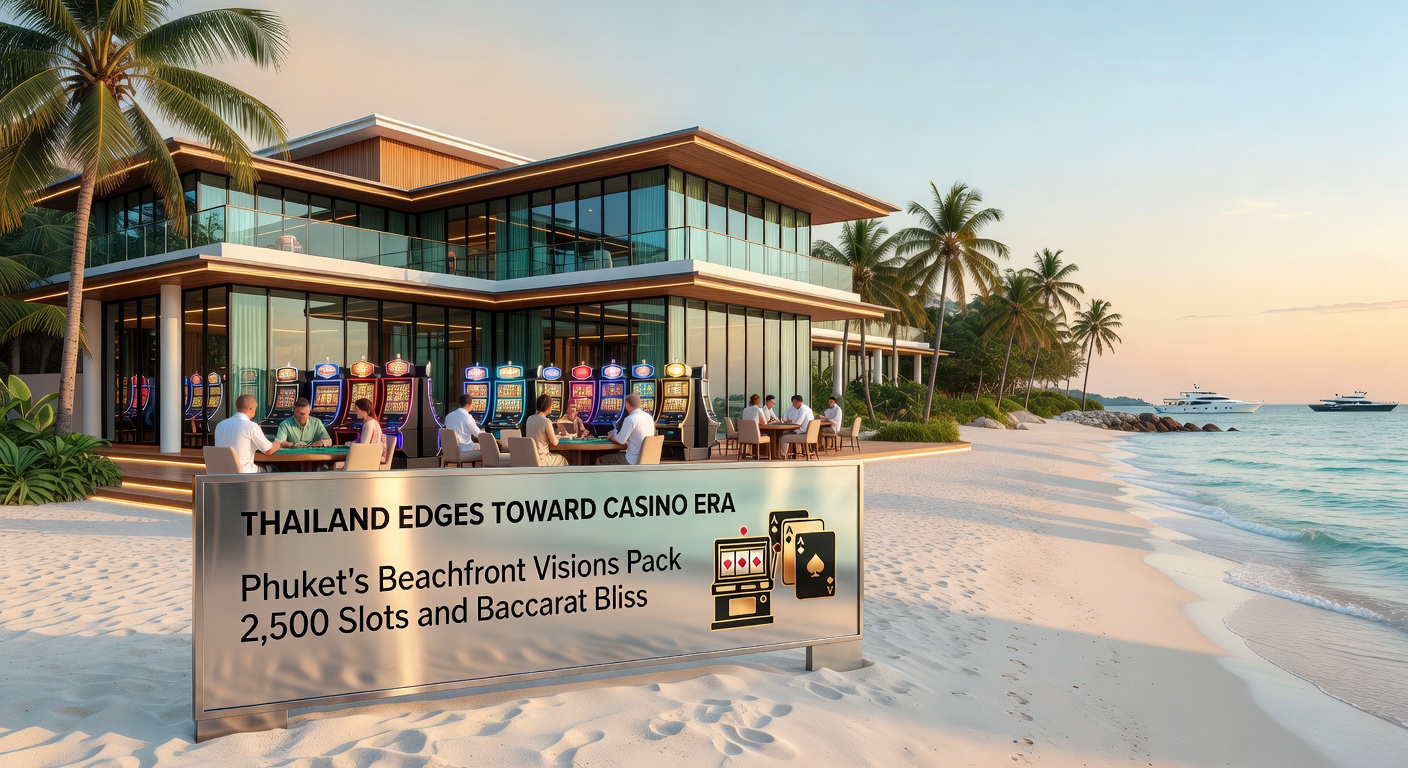
Thailand's long-standing casino prohibition, in place since 1935, faces transformation as lawmakers advance bills to integrate gaming into sprawling entertainment complexes; Phuket emerges as a frontrunner, with proposals outlining beachfront resorts packing 2,500 slot machines alongside dedicated baccarat zones designed to lure high-rollers from across Asia.
Observers note how this shift aligns with broader tourism revival strategies, especially since visitor numbers rebounded to 28 million in 2023 after pandemic dips, yet officials seek diversified revenue streams beyond beaches and nightlife. Data from the Tourism Authority of Thailand reveals gaming could inject billions into the economy, mirroring successes in neighbors like Cambodia and the Philippines where integrated resorts boosted GDP contributions by double digits.
Government Momentum Builds on Casino Proposals
The House of Representatives approved a pivotal entertainment complex bill in early 2025, greenlighting up to 10 pilot projects nationwide; while Bangkok and the Eastern Economic Corridor vie for spots, Phuket's coastal allure positions it for prime development, complete with luxury hotels, convention centers, and gaming floors spanning thousands of square meters. Lawmakers structured the legislation to mandate at least 15% foreign investment and strict anti-money laundering protocols, ensuring operators partner with local firms for authenticity.
What's interesting here involves the selection process: a special committee, formed under Prime Minister Srettha Thavisin's administration, evaluates bids based on economic impact models, with Phuket submissions emphasizing job creation for 50,000 locals through construction and operations phases. And since baccarat dominates Asian preferences—accounting for 60% of Macau's table revenue last year—Phuket visions prioritize 200-plus tables optimized for VIP play, alongside electronic versions for broader access.
Phuket's Beachfront Visions Take Shape
Developers envision three flagship sites along Patong, Karon, and Kata beaches, where turquoise waters meet proposed casino towers rising 50 stories; one standout concept from a Thai-Chinese consortium details 2,500 slots from providers like Aristocrat and IGT, clustered in themed zones evoking Thai mythology, while baccarat pits feature private salons with minimums starting at 100,000 baht. These plans draw from Singapore's Marina Bay Sands model, which generated $2.5 billion in gaming revenue annually post-launch, blending slots with cultural shows to attract families during off-peak hours.
Turns out local stakeholders back the push: Phuket's chamber of commerce reports hotel occupancy could climb 20% with casino draw, pulling in whales from China and the Middle East who favor beach escapes over urban jungles. Yet planners incorporate sustainable elements, like solar-powered facilities and elevated structures to withstand rising seas, addressing environmental concerns raised in public hearings.
One study highlighted by the Asia Gaming Business publication projects Phuket resorts could mirror Solaire in Manila, where 1,800 slots and 200 tables yielded $1.2 billion in gross gaming revenue within two years of opening; figures like these fuel optimism, as Thailand's tourism ministry forecasts 40 million arrivals by 2027 if gaming unlocks new markets.
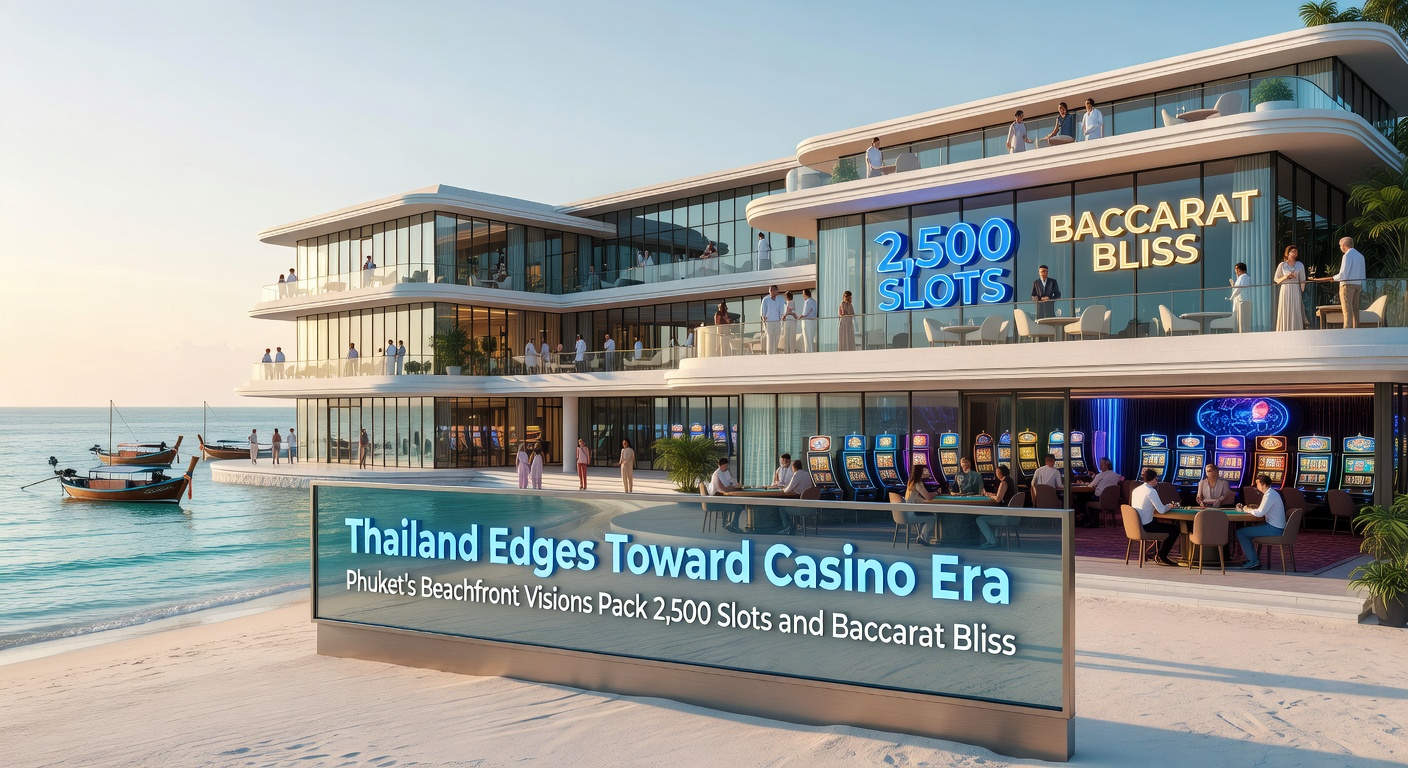
Economic Projections and Job Creation Surge
Economists crunching numbers from similar Asian rollouts estimate Phuket's casino cluster could generate 150 billion baht yearly, split between gaming taxes at 20-30% rates, hotel levies, and indirect spends on dining and spas; this influx matters because Thailand's post-COVID debt stands at 61% of GDP, and gaming offers a quick fiscal boost without broad tax hikes. Construction alone promises 20,000 jobs starting mid-2025, transitioning to 10,000 permanent roles in dealing, tech maintenance, and hospitality by opening day.
But here's the thing with baccarat's appeal: data from PAGCOR in the Philippines shows it drives 70% of non-local revenue, as players chase commission-free squeezes and side bets; Phuket operators plan VR-enhanced tables for remote play, tapping global audiences while physical floors host live dealers trained in Andaman hospitality standards. People who've studied regional trends observe how such integrations stabilize seasonal tourism, with Singapore's resorts maintaining 85% occupancy year-round through gaming anchors.
Regulatory Framework and Social Safeguards
The draft law establishes a Gaming Control Board modeled after Australia's Interactive Gambling Act oversight, enforcing age limits at 20, self-exclusion programs, and problem gambling hotlines funded by operator levies; entry fees of 5,000 baht for foreigners aim to deter locals, who face citizenship checks via biometric scans. This setup echoes South Korea's Kangwon Land, where resident bans preserved social order while foreigners poured in 2 million visits annually.
Challenges persist, though: anti-gambling groups cite mafia infiltration risks from Myanmar borders, prompting proposals for armed security and blockchain-tracked transactions. Still, public polls from King Prajadhipok's Institute show 55% support if revenues fund healthcare and education, a shift from traditional opposition rooted in Buddhist principles.
Timeline Targets April 2026 Milestone
Bid submissions open in late 2025, with winners announced by Q1 2026; April 2026 marks groundbreakings for Phuket pioneers, aligning with high-season tourism peaks and allowing 18-month builds to hit 2028 soft launches. International operators like Genting Singapore and Melco Resorts circle opportunities, bringing expertise from 50-plus properties worldwide, while Thai firms like Sansiri scout partnerships for land acquisition.
Now experts tracking the sector point to infrastructure upgrades—high-speed rail links from Phuket airport and expanded marinas—as enablers, ensuring seamless access for yacht arrivals and private jets. It's noteworthy that pilot projects cap at five years for evaluation, with expansions tied to performance metrics like 80% capacity utilization.
Regional Comparisons Highlight Potential
Take Cambodia's NagaWorld, where 2,000 slots and beach proximity drew $500 million in 2023 despite smaller scale; Phuket scales this up tenfold, positioning Thailand as Southeast Asia's gaming hub amid Vietnam's delays and Indonesia's bans. Observers who've analyzed footfall data note baccarat's gravitational pull, with Macau's 2024 recovery to 80% pre-COVID levels underscoring demand from affluent travelers seeking sun-soaked alternatives.
And in a twist, hybrid models emerge: mobile apps linked to resort wallets for pre-arrival slot demos, compliant with geofencing to restrict offshore play until legalization fully beds in.
Conclusion
Thailand's casino era inches closer, with Phuket's beachfront ambitions—2,500 slots humming alongside baccarat bliss—set to redefine island allure; as April 2026 approaches with shovels ready, economic models predict transformative growth, balanced by robust controls that have proven effective elsewhere. Stakeholders watch intently, knowing this pivot could cement Phuket not just as a paradise, but Asia's next gaming beacon, drawing crowds who blend leisure with high-stakes thrills under swaying palms.