UAE's Al Marjan Island Transforms into Luxury Gaming Haven: Wynn Resorts Unveils 1,500 Slots Amid Marina Splendor
UAE's Al Marjan Island Transforms into Luxury Gaming Haven: Wynn Resorts Unveils 1,500 Slots Amid Marina Splendor
The Rise of Gaming in the UAE's Northern Sands
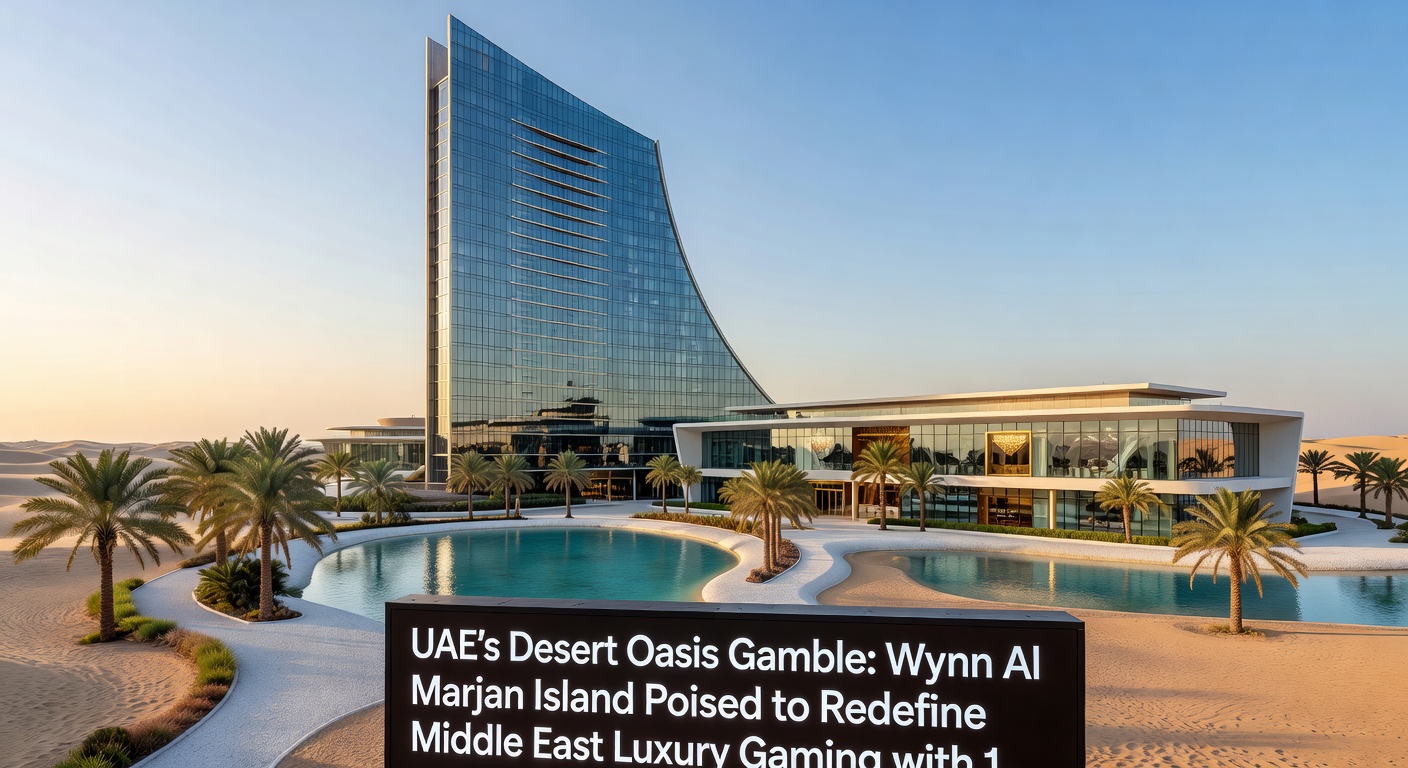
Observers have watched closely as Ras Al Khaimah, one of the UAE's seven emirates, positions itself at the forefront of the region's emerging gaming scene; Wynn Resorts, the powerhouse behind Las Vegas icons like Bellagio and Encore, announced plans for Al Marjan Island that promise to blend desert opulence with high-stakes entertainment. Data from the Wynn Resorts investor reports highlights how this project aligns with the company's global expansion, targeting markets hungry for integrated resorts where slots, tables, and luxury converge. What's interesting here is the shift; while Dubai grabs headlines for skyscrapers and mega-events, Ras Al Khaimah leverages its pristine coastline and man-made islands to draw elite travelers seeking something more exclusive.
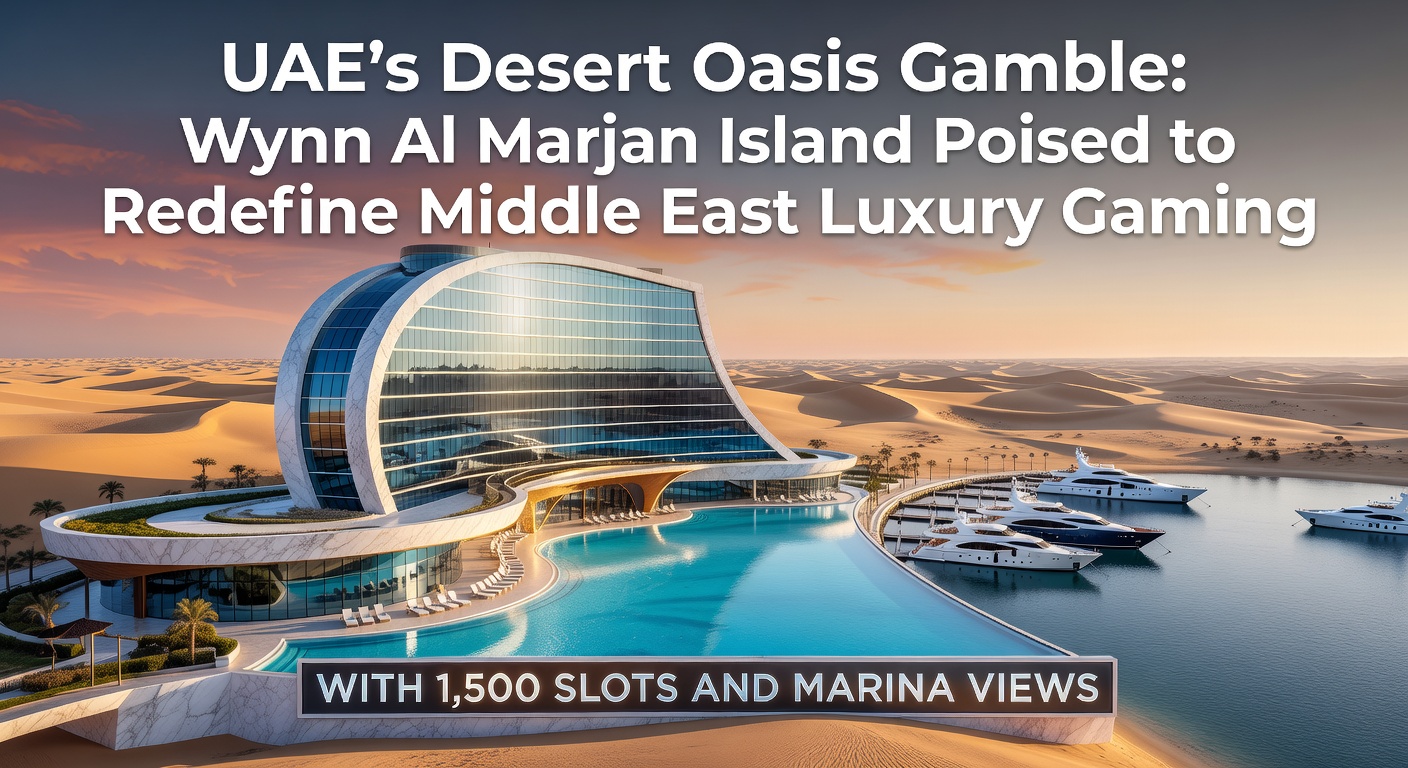
And yet, this isn't just another beachfront hotel; figures reveal Wynn Al Marjan Island will feature over 1,500 slot machines, a sprawling casino floor, and marina views that stretch across the Arabian Gulf, creating a setup where players can spin reels while yachts bob in the background. Experts who've studied Middle East tourism note that visitor numbers to Ras Al Khaimah surged 15% year-over-year in 2025, according to local government data, setting the stage for gaming to boost those stats even higher. Turns out, the emirate's leadership approved the project amid a broader push to diversify beyond oil, with gaming emerging as a key pillar alongside eco-tourism and adventure sports.
Wynn's Blueprint: Slots, Suites, and Seaside Spectacle
At the heart of the development sits a casino floor designed for immersion; 1,500 slots from top providers like IGT and Scientific Games will dominate, offering progressive jackpots and themed experiences tied to Arabian motifs, while high-limit areas cater to whales with panoramic marina vistas. Researchers from the American Gaming Association point out that Wynn's track record—think the $2.4 billion Wynn Palace in Macau with its 1,000-plus slots—delivers average daily revenues per machine exceeding industry norms by 20%, a benchmark Al Marjan aims to match or beat. But here's the thing: integration matters; the resort will pair gaming with 1,100 rooms across multiple towers, infinity pools cascading toward the sea, and a private marina for superyachts up to 150 meters long.
People who've visited Wynn properties often rave about the details—the crystal chandeliers, bespoke art installations, and spas that rival five-star retreats worldwide—and Al Marjan follows suit, with renderings showing a 18-hole golf course nearby, underwater dining at an aquarium restaurant, and a theater for residencies by global stars. Now, timeline-wise, construction kicked off in late 2024, with phase one targeting a soft launch by late 2027; yet whispers from industry insiders suggest accelerated progress could see slots firing up as early as April 2026 for select previews, aligning with peak tourist season when Gulf temperatures dip invitingly.
Economic Ripples: Jobs, Tourism, and Revenue Projections
This gamble pays off big, or so the numbers suggest; projections from Ras Al Khaimah's economic development authority estimate 13,500 direct and indirect jobs created during construction and operations, from slot technicians to sommeliers in the 22 dining venues planned. Data indicates the UAE's hospitality sector already employs over 500,000, but gaming adds a multiplier effect; one study by Dubai's tourism council found every dollar spent in integrated resorts generates $3.50 in broader economic activity, a formula Al Marjan replicates on steroids. So, while slots drive the core revenue—expected to hit $500 million annually post-stabilization—ancillary spends on rooms, food, and retail could double that figure within years.
Take Wynn's Macau properties as a case study: post-launch, visitor dwell time jumped 30% thanks to non-gaming draws like performance lakes and floral displays, a tactic Al Marjan mirrors with its beach club and falconry experiences nodding to Emirati heritage. And although strict local regulations cap participation to tourists over 21—verified via Emirates ID or passports—the setup echoes Singapore's Marina Bay Sands, where non-resident gaming fueled a 25% tourism GDP contribution, per government stats. Observers note potential challenges too, like navigating Sharia-influenced laws, but Wynn's compliance history in Asia reassures stakeholders that tech like facial recognition and spend limits will keep things above board.
- 1,500 state-of-the-art slots with RTPs averaging 92-96%, including linked progressives
- Private marina berthing 200+ yachts, drawing ultra-high-net-worth individuals
- Multiple hotels totaling 1,100 keys, from suites to villas with plunge pools
- 22 food and beverage outlets, spanning Michelin hopefuls to casual marina-side bites
- Golf, spa, and entertainment venues positioning it as a 24/7 destination
Regional Context: UAE Gaming's Broader Horizon
Al Marjan doesn't stand alone; the UAE's gaming ambitions span emirates, with Abu Dhabi's Yas Island eyeing MGM partnerships and Dubai mulling policy tweaks for 2028 expos. Yet Ras Al Khaimah leads the charge, its freehold zones and 30-minute flights from Dubai making it a no-brainer for Saudis and Europeans alike—markets where Wynn already thrives. Figures from OAG aviation data show direct flights to RAK airport up 40% since 2023, a trend gaming supercharges; meanwhile, neighboring Saudi Arabia's Vision 2030 funnels tourists through UAE gateways, potentially flooding Al Marjan with crossover crowds.
What's significant is the tech angle; slots will integrate cashless play via Wynn's app, mirroring Nevada's shift where 70% of wagers now go digital, according to state gaming board reports—efficiency that minimizes lines and maximizes playtime amid marina breezes. Those who've analyzed Wynn's expansions, from Boston Harbor to the Philippines, discover consistent outperformance; average EBITDA margins hit 35% within three years, fueling dividends and further builds. Here, the desert oasis vibe—think slots themed around pearl dives and dune buggies—sets it apart, blending culture with chance in ways pure Vegas can't touch.
Challenges persist, sure; summer heat demands indoor allure, and competition from maturing Asian hubs like the Philippines' Okada Manila looms. But with Wynn's $3.9 billion investment locked in, backed by local sovereign funds, the project's momentum feels unstoppable—especially as April 2026 nears, bringing pilot operations that test the waters before full sails unfurl.
Conclusion
In the end, Wynn Al Marjan Island stands as the UAE's boldest play yet, where 1,500 slots overlook a marina teeming with possibility, reshaping Middle East luxury gaming one spin at a time. Data underscores the potential; Wynn's global portfolio generates $6.7 billion yearly, and this addition could claim 10% of that slice solo. Experts predict ripple effects across the Gulf, spurring rivals and solidifying the UAE as gaming's next frontier—provided execution matches the vision. For now, renderings captivate, jobs multiply, and the desert waits patiently for its jackpot moment.