UK Minister Highlights Focus on Unlicensed Gambling Promotions During Lords Committee Session
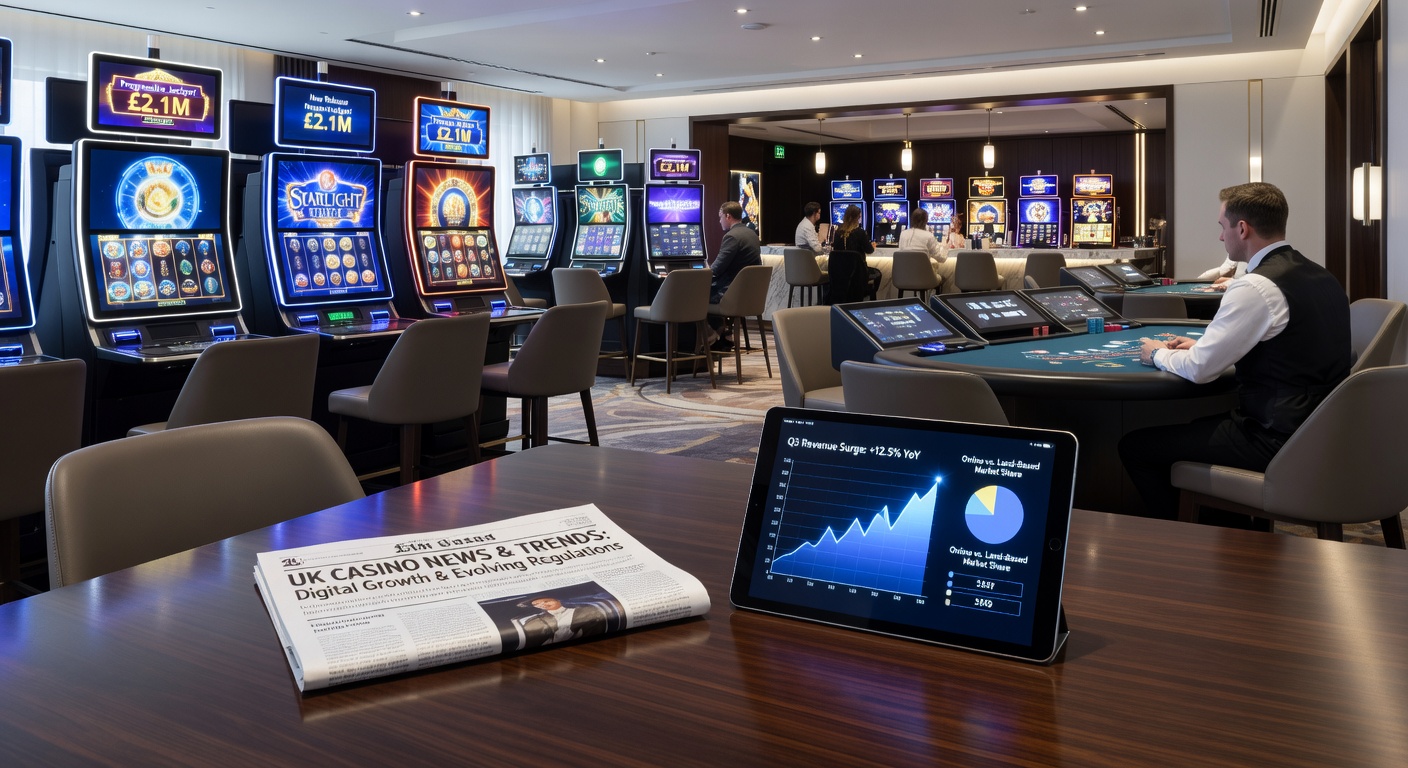
Baroness Twycross addressed the House of Lords Liaison Committee on June 17, 2026, where she outlined the government's approach to tackling illegal gambling advertising as a central priority. She connected these efforts to protecting the licensed market, securing tax revenue streams, and steering consumers away from unregulated operators that operate outside established oversight frameworks. Observers note that her remarks came during a period when authorities have intensified scrutiny of black-market activities across multiple channels.
Details from the Committee Exchange
During the session the minister confirmed that no immediate plans exist to introduce additional legislation targeting advertising by licensed operators, yet she emphasized the value of evidence-based approaches when shaping future policy. Collaboration stands at the core of the strategy, with the Advertising Standards Authority, various social media platforms, and the newly formed Illegal Gambling Taskforce all positioned as key partners. Those who've followed similar regulatory developments know that coordinated action across agencies often yields more consistent enforcement outcomes than isolated measures.
Baroness Twycross tied the advertising crackdown to wider initiatives aimed at reducing black-market influence, including reviews of sponsorship arrangements and promotions that appear on social media. Researchers who track cross-border gambling trends have observed that such promotions frequently bypass traditional controls, which creates uneven playing conditions for operators who comply with licensing requirements.
Role of the Illegal Gambling Taskforce
The Illegal Gambling Taskforce receives specific mention in the minister's comments as a recent addition to the regulatory landscape. Its formation supports targeted interventions against operators who promote services without proper authorization, and the group works alongside existing bodies to identify patterns in how illegal advertising reaches consumers. Experts have observed that taskforces of this kind benefit from shared intelligence, allowing quicker responses when platforms host content that directs users toward unregulated sites.
Partnerships with social media platforms form another pillar of the approach, since many promotions surface through targeted digital campaigns that traditional broadcast rules do not fully cover. The Advertising Standards Authority contributes its established code enforcement mechanisms, while the taskforce adds operational focus on the illegal segment. Data from comparable international efforts, such as those documented by the US Federal Trade Commission in advertising compliance reviews, shows that multi-agency coordination can reduce consumer exposure to non-compliant promotions when applied consistently.
Broader Context of Enforcement Efforts
Scrutiny of sponsorships represents one visible element of the wider campaign against black-market activity. Companies that associate with major events or teams face increased attention when their marketing appears to reach audiences through channels that licensed operators must navigate under stricter rules. Those who've studied sponsorship trends across Europe note that regulators in several jurisdictions have begun applying similar pressure, although each market adapts the model to local legal structures.
Evidence-based policy remains the guiding principle according to the minister's statements, which means decisions about further steps will draw on data collected through the taskforce and partner organizations. This approach aligns with practices seen in other regulatory environments, including guidance issued by Australia's communications authority on digital advertising oversight. The emphasis on collaboration suggests that future actions may involve joint guidance documents or shared reporting mechanisms rather than standalone legislative changes.
Implications for Licensed Operators and Consumers
Licensed operators stand to benefit from clearer boundaries around illegal promotions, since reduced competition from unregulated sources helps maintain the integrity of the tax base and consumer protections already in place. Consumers, meanwhile, receive reminders through these initiatives about the differences between licensed and unlicensed services, particularly when social media content blurs those lines. Industry reports compiled by research institutions have tracked shifts in consumer behavior when enforcement visibility increases, showing modest movements back toward regulated channels in some cases.
The absence of immediate new rules for licensed advertising leaves room for existing self-regulatory codes to continue operating, provided they align with the evidence gathered by the taskforce. This balance allows the government to direct resources toward the illegal market while maintaining dialogue with compliant stakeholders through established forums.
Conclusion
Baroness Twycross's comments on June 17, 2026, set out a clear direction for addressing illegal gambling advertising through prioritized enforcement, inter-agency cooperation, and evidence-led decision making. The Illegal Gambling Taskforce, alongside the Advertising Standards Authority and social media partners, forms the operational backbone of these efforts, while sponsorship reviews extend the scope beyond digital channels alone. Observers tracking the UK's regulatory environment will continue to monitor how these components interact in the months ahead, particularly as data from the taskforce informs any subsequent policy adjustments.