Wynn Resorts Lands Landmark Casino License in UAE's Ras Al Khaimah, Signaling Middle East Gaming Shift
Wynn Resorts Lands Landmark Casino License in UAE's Ras Al Khaimah, Signaling Middle East Gaming Shift
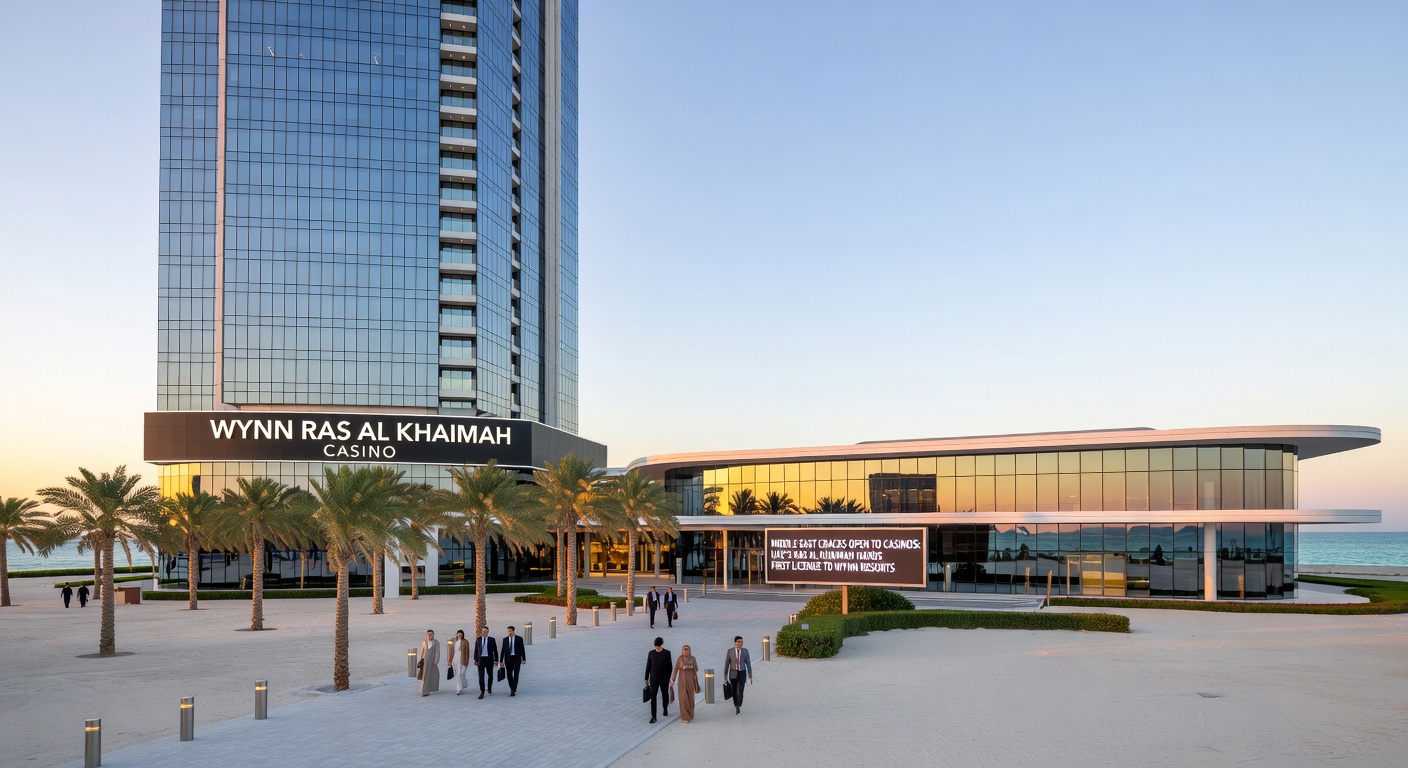
Ras Al Khaimah, one of the UAE's seven emirates, recently granted Wynn Resorts the first-ever casino operating license in the Arabian Gulf region, marking a pivotal moment as conservative Middle Eastern markets cautiously embrace integrated resorts and gaming entertainment. Authorities in the emirate announced the approval in late 2023, but construction milestones and regulatory refinements have accelerated through 2025, with key permits solidified ahead of projected openings; this move aligns with broader UAE diversification strategies beyond oil, drawing on tourism surges that saw visitor numbers climb 12% year-over-year in 2024 according to the Ras Al Khaimah Tourism Development Authority.
The Project Takes Shape: Wynn's Ambitious Al Marjan Island Vision
Wynn Al Marjan Island, the flagship development, promises a 1,200-room luxury hotel tower perched on a man-made island off Ras Al Khaimah's coastline, complete with a 215,000-square-foot casino floor featuring high-limit gaming salons, table games, slots, and poker rooms tailored for affluent guests; construction crews broke ground in 2024, targeting a 2027 debut, yet recent updates from March 2026 confirm foundational work and infrastructure partnerships remain on track despite regional supply chain hiccups. Developers highlight sustainable features like solar-integrated facades and water recycling systems, blending opulence with eco-conscious design that experts in regional hospitality have praised for fitting UAE's green agenda.
But here's the thing: this isn't just slots and blackjack; the resort integrates a Greg Norman-designed golf course, a private beach club, multiple fine-dining outlets from Michelin-starred chefs, and a high-end retail promenade, positioning it as a lifestyle destination rather than a pure gambling hub, which observers note helps navigate cultural sensitivities in a region where Islamic traditions historically frowned upon chance-based wagering. Those who've tracked Wynn's global expansions, from Las Vegas to Macau, point out how the company adapts floor plans to local tastes, emphasizing skill-based games and non-gaming revenue streams that could account for 70-80% of total earnings based on patterns from their Encore Boston Harbor launch.
UAE's Gaming Pivot: From Taboo to Tourism Magnet
Ras Al Khaimah's decision stems from a calculated emirate-level push, distinct from federal UAE policies, since the northern emirate enjoys autonomy in economic zoning; while Dubai flirts with gaming through Wynn's separate $3.9 billion resort plan on the mainland, Ras Al Khaimah seized first-mover advantage, leveraging its rugged mountains, pristine beaches, and proximity to Europe via direct flights that boosted arrivals from Russia and the UK by 25% in early 2025. Data from the emirate's economic vision 2030 reveals gaming as a cornerstone for creating 10,000 jobs and injecting billions into GDP, with Wynn's project alone projected to generate $500 million annually once operational.
What's interesting here surfaces in the regulatory framework: the license, issued by the Ras Al Khaimah Gaming Regulatory Authority established in 2023, mandates strict player protections like age verification tech, self-exclusion tools, and spending caps, drawing inspiration from models in Nevada Gaming Control Board frameworks while incorporating Sharia-compliant elements such as no alcohol on casino floors and family-oriented zones. Experts who've studied Middle East hospitality shifts observe how this hybrid approach mirrors Singapore's Marina Bay Sands success, where gaming taxes funded public infrastructure and tempered social concerns.
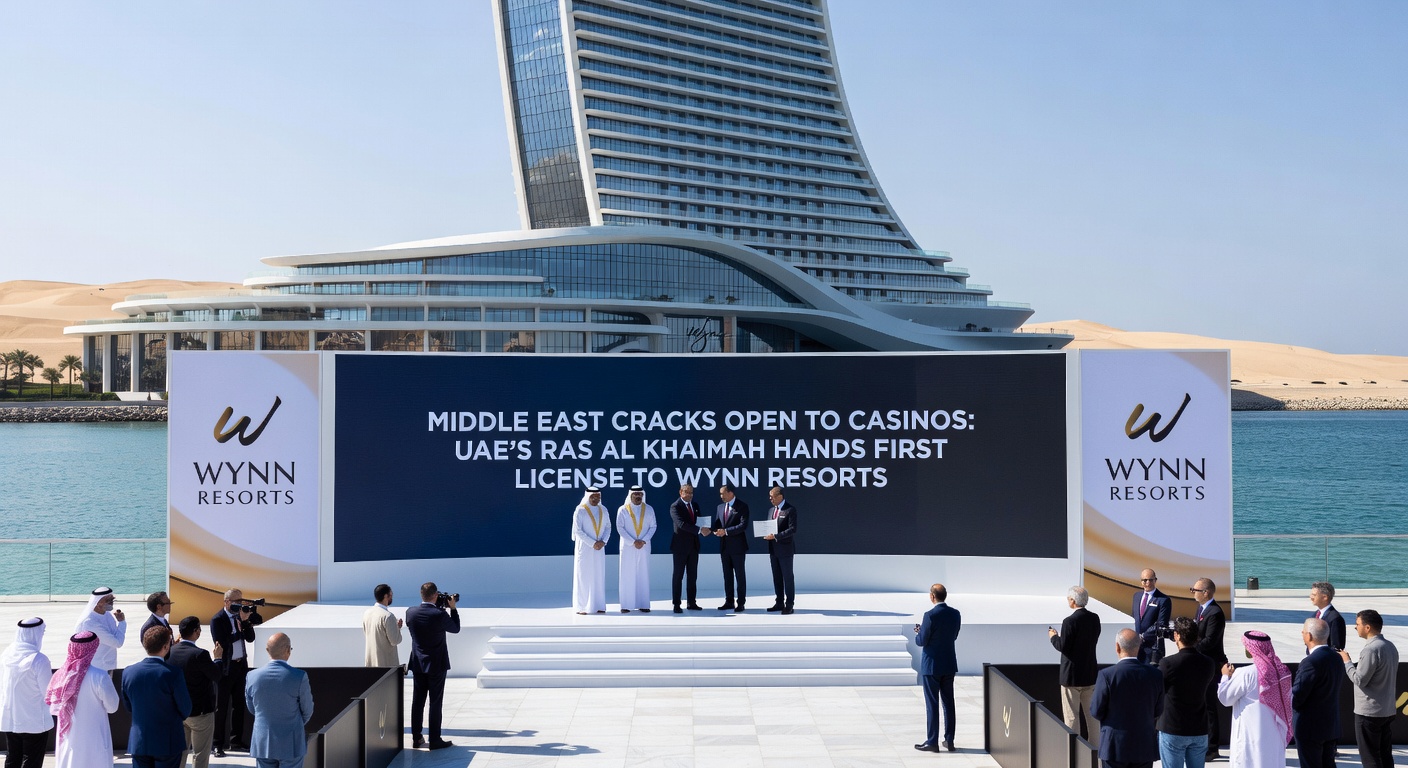
And yet, the ripple effects extend regionally; Saudi Arabia's rumored Red Sea gaming zones and Qatar's post-World Cup tourism plays suggest a domino effect, although figures from the World Travel & Tourism Council indicate the Middle East gaming market could swell to $5 billion by 2030 if Wynn's venture proves viable. Take one case from neighboring Bahrain, where a smaller casino at the Gulf Hotel has quietly drawn high-rollers since 2019, posting steady 15% revenue growth amid luxury yacht crowds.
Wynn's Playbook: Proven Expertise Meets New Frontiers
Wynn Resorts, a Las Vegas heavyweight with properties generating $6.5 billion in 2024 trailing twelve-month revenue, brings battle-tested know-how from Macau's Wynn Palace, where VIP baccarat rooms rake in fortunes, and the UAE license underscores CEO Craig Billings' strategy to counter China slowdowns by tapping emerging markets; company filings show Middle East ventures as key to offsetting a 5% dip in Asian footfall post-pandemic. Builders on-site report rapid progress, with steel frameworks rising by March 2026, while partnerships with local firms ensure knowledge transfer in hospitality training programs that have already enrolled 2,000 Emiratis.
So why Ras Al Khaimah over flashier Dubai? Simpler land acquisition, lower competition, and a master-planned island site that avoids urban congestion, as developers explained during licensing hearings; this echoes Wynn's Philippine venture at Wynn Resorts Manila, which overcame regulatory hurdles through phased rollouts and community investments yielding 20% local employment. Observers note the emirate's 40% hotel occupancy surge in 2025 ties directly to pre-launch buzz, with influencers and media previews amplifying interest across Gulf states.
Economic Boost and Safeguards: Balancing Growth with Responsibility
Projections from industry analysts paint a rosy picture: the resort could lure 1 million visitors yearly, spiking hotel rates 30% during peak seasons and funneling tax revenues toward infrastructure like expanded airports; yet, the Ras Al Khaimah authority enforces robust compliance, including AI-driven responsible gaming monitors modeled after Australian frameworks from the International Centre for Gaming Regulation, ensuring problem play stays below 1% as seen in mature markets. People who've analyzed Wynn's track record highlight how their resorts in Massachusetts contributed $200 million in state taxes within three years, suggesting parallel windfalls for the UAE emirate.
Turns out, cultural adaptation plays huge: non-alcoholic beverages dominate bar menus, prayer rooms dot the property, and marketing targets international jet-setters rather than locals, with data indicating 90% of projected patrons hail from Europe, Asia, and the CIS region. There's this case where early Wynn collaborations in the Philippines integrated halal dining and modest dress zones, boosting family visits by 40%, a tactic likely to repeat here amid UAE's family tourism emphasis.
Challenges Ahead: Navigating Geopolitics and Market Realities
While optimism runs high, supply chain delays from Red Sea tensions have nudged timelines, although March 2026 updates confirm no major setbacks; competition looms from Saudi's potential Trojena casino in the NEOM project, slated for 2028, and Wynn must contend with high construction costs estimated at $1.5 billion, funded via debt and equity raises that investors snapped up amid 15% stock lifts post-announcement. Researchers at Cornell University's hospitality school have documented how such mega-resorts weather volatility through diversified amenities, with non-gaming elements driving 65% of revenue in culturally conservative spots.
Now, regulatory evolution adds layers: annual license renewals tie to performance metrics like tourism uplift and zero-tolerance AML protocols, while collaborations with global watchdogs ensure transparency; it's not rocket science, but the writing's on the wall that success hinges on execution, as evidenced by Genting's steady climb in South Korea's Jeju Island casino amid similar cultural pivots.
Conclusion: A New Chapter for Gulf Gaming
Wynn's Ras Al Khaimah license heralds the Middle East's cautious entry into world-class casino resorts, blending luxury, entertainment, and economic diversification in ways that respect local norms while chasing global standards; as shovels turn and permits stack up through 2026, the emirate positions itself as a gaming pioneer, with spillover effects promising to reshape tourism across the peninsula. Data underscores the potential, yet execution will dictate if this crack in the door widens into a floodgate, drawing parallels to Asia's gaming boom two decades prior.